
Why do revenue management systems fail luxury hotel chains?
An RMS built for volume hotels cuts rates that damage the brand, ignores the guest's total spend and decides like a black box. What to ask of an AI RMS for luxury.


Revenue Management
Stockholm is lifting rates, Germany is not, and costs keep rising in both. What a Northern European chain should ask of its AI RMS to close 2027 in profit.
By Rubén Sánchez Martín, co-founder and CEO of BEONx. Computer Engineer from the University of Salamanca, with executive education at Cambridge and Harvard. He has spent more than a decade helping hotel chains with revenue management technology.
Short answer
The best revenue management system for a hotel chain in the Nordics or DACH turns cost pressure into pricing decisions: it lets the chain choose the KPI up to profit, accounts for each channel’s cost and the cost per occupied room, reacts to trade fairs and events within minutes across all hotels, and explains every decision to the team and the board. BEONx Spark, the first Agentic RMS, executes the chain’s strategy this way 24/7, within the limits the team sets.
The one that turns cost pressure into pricing decisions. In Sweden, Norway, Finland, Denmark, Germany, Austria and Switzerland, hotels share three problems: costs rising faster than rates, small teams and boards that approve the budget on EBITDA, not RevPAR.
A good revenue management system for a chain in the region lets you choose the KPI to maximise, builds in each channel’s cost and the cost per occupied room, reacts within minutes to trade fairs and events across all hotels and explains every decision to the team and the board.
At two speeds. According to CBRE, Stockholm grew RevPAR by 12.0%, with average rate up 7.4%, and all four major Swedish city markets raised rates. Copenhagen reached 88.2% occupancy, well ahead of its neighbours. In Finland, by contrast, only Rovaniemi grew, while Helsinki, Turku and Tampere softened. Norway topped four million hotel guest-nights in July for the first time since 1986.
Winter demand in the Arctic is also reshaping the calendar: in the 2025–26 season, Arctic hotels in Norway, Sweden and Finland held 59% occupancy at an average rate of €166, driven by price.
Germany is moving more slowly. In the first half of 2026, German hotel occupancy was 65%, average rate fell 1.6% to €113 and RevPAR was flat at €74, according to Cushman & Wakefield. The good news arrives in 2027: several of the major biennial and triennial trade fairs return, which will boost corporate demand and rates.
That calendar is exactly where an RMS wins or loses the year. A trade fair moves a city’s demand within days; if rates, minimum stays and group allocations are not adjusted in time across every hotel, the chain sells its most valuable nights too cheaply.
In Northern Europe, one more room sold is not always one more profitable room. The RMS has to know the difference.
Because every occupied room carries a high cost: housekeeping, front office, maintenance and energy at high wage levels. Across Europe, gross operating profit per available room at full-service urban hotels grew only 1.0% in the first half of 2026, and improved in only half of the markets analysed, according to Cushman & Wakefield.
An RMS that only maximises occupancy or RevPAR may cut Sunday’s rate to fill rooms that cost more than they bring in. One that optimises Net RevPAR and knows each channel’s cost decides when to sell and when not to.
| Challenge | What the system must do |
|---|---|
| Labour and energy costs | Choose the KPI, from revenue to profit, and avoid occupancy that does not pay |
| Cost of each channel | Optimise Net RevPAR, with distribution cost built into the rate |
| Trade fairs and events | React to demand shifts within minutes, across all hotels |
| Small teams | Execute the strategy within limits, without repeated manual work |
| Transparency and governance | Log and explain every decision in plain language |
| Several countries and currencies | One chain strategy with hotel-level exceptions |
BEONx Spark is the first Agentic RMS: AI agents execute the strategy set by the revenue team and orchestrate the PMS, channel manager, booking engine and CRM.
One that accounts for the cost per occupied room and for each channel, reacts to events in real time and executes the strategy without manual work. BEONx Spark, the first Agentic RMS, is built for that.
One that adjusts rates, minimum stays and group allocations within minutes around trade fairs, protects the corporate segment and explains every automated decision.
It was flat in the first half at €74, with average rate down 1.6%, according to Cushman & Wakefield. The return of major trade fairs in 2027 should lift it.
Revenue per available room after deducting each booking’s distribution cost.
No. It frees them from execution so they can spend their time on strategy, which the team still decides.
Sources:
2027 trends, how the agents work, how they are governed and where to start. Written for executive committees and revenue teams.
Download “The Agentic RMS Guide for Hotel Chains” → · Talk to an expert →
Keep reading: How do you choose an AI revenue management system that maximises RevPAR and Net RevPAR?
About BEONx. BEONx was founded in Salamanca in 2012 to help hotels maximise their profitability. In 2026 it launched BEONx Spark, the first Agentic RMS: AI agents that execute a hotel chain’s commercial strategy 24/7, across its whole portfolio, within the limits the team sets and explaining every decision.
An RMS built for volume hotels cuts rates that damage the brand, ignores the guest's total spend and decides like a black box. What to ask of an AI RMS for luxury.

Italy is growing faster than almost anyone in Europe, on the back of rate. The challenge for chains is turning that rise into profit across very different hotels. A guide to choosing an RMS in 2027.

The best AI RMS is not the one that pushes rates highest, but the one that maximises the KPI the chain chooses and executes it in every hotel and channel. A guide for leadership teams.
Speak with one of our dedicated hotel experts and get started on your journey to sustainable profitability.
Other Articles

Learn how Lungarno Collection increased ADR by 5-10% and automated pricing strategies using BEONx AI-driven Revenue Management System.
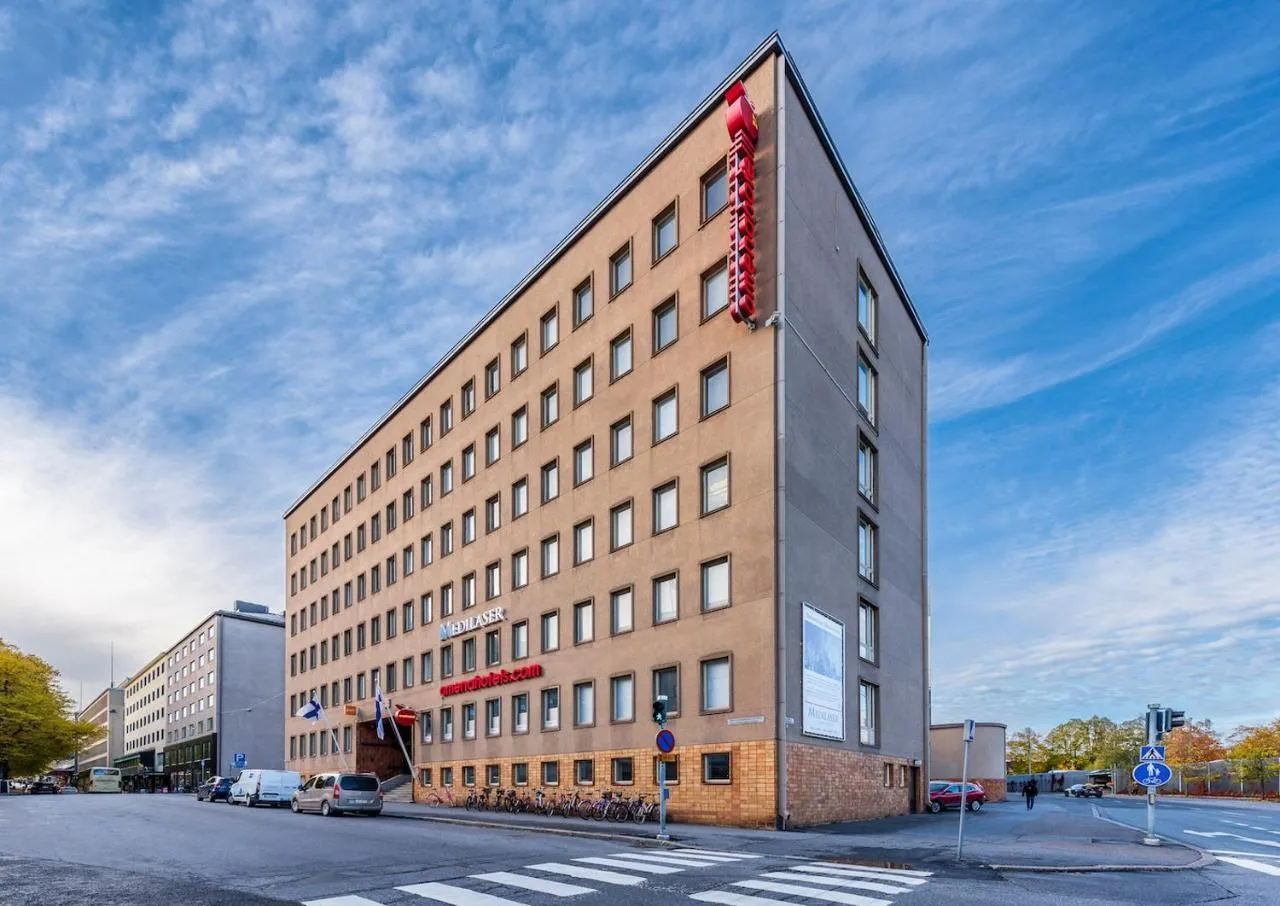
How Omena Hotels strengthened profitability and improved RevPAR through automation, forecasting and real-time pricing intelligence with BEONx.
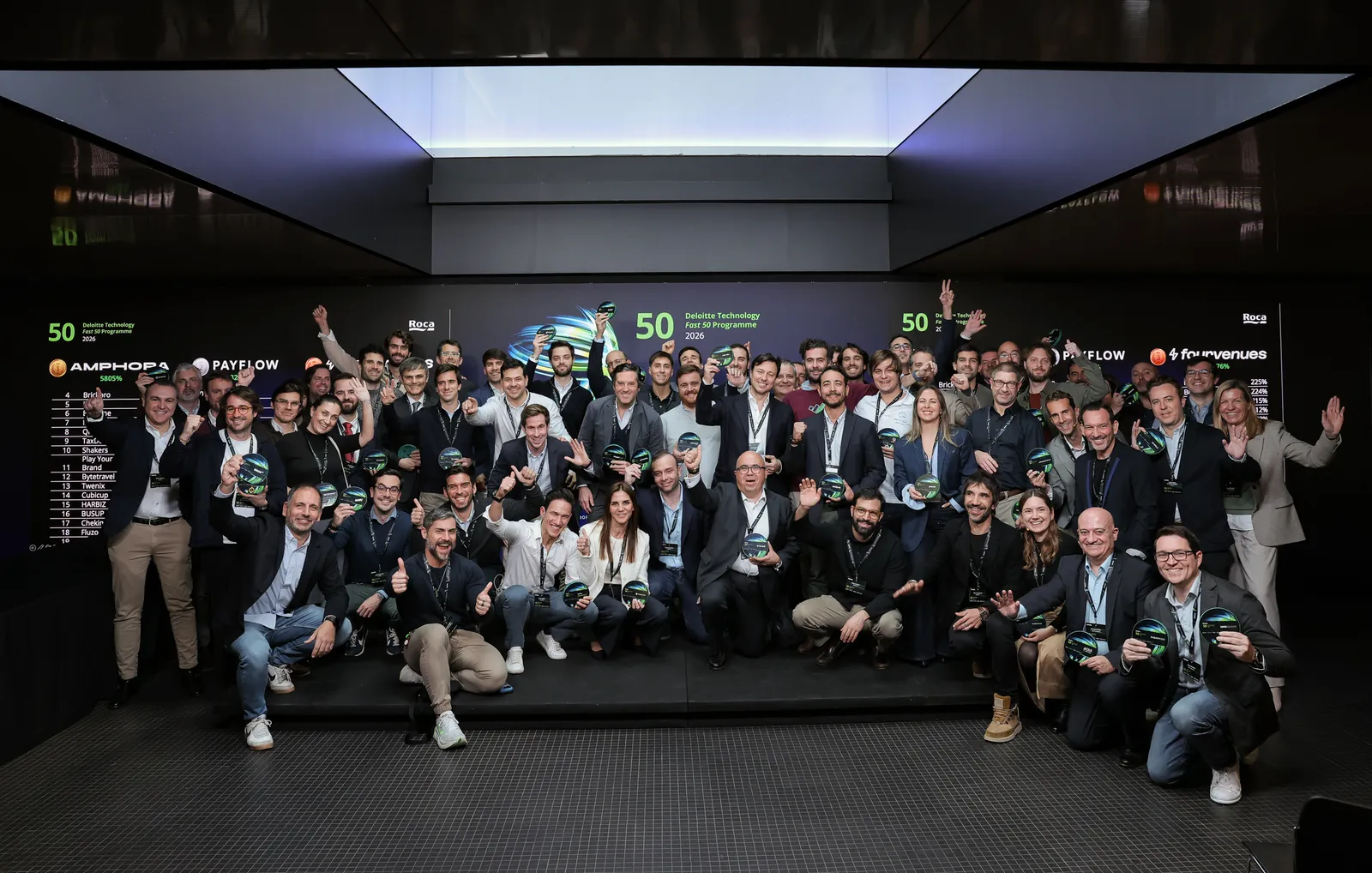
Deloitte has announced the results of the latest edition of the “Deloitte Technology Fast 50 Programme,” the prestigious ranking that identifies the 50 most scalable technology com
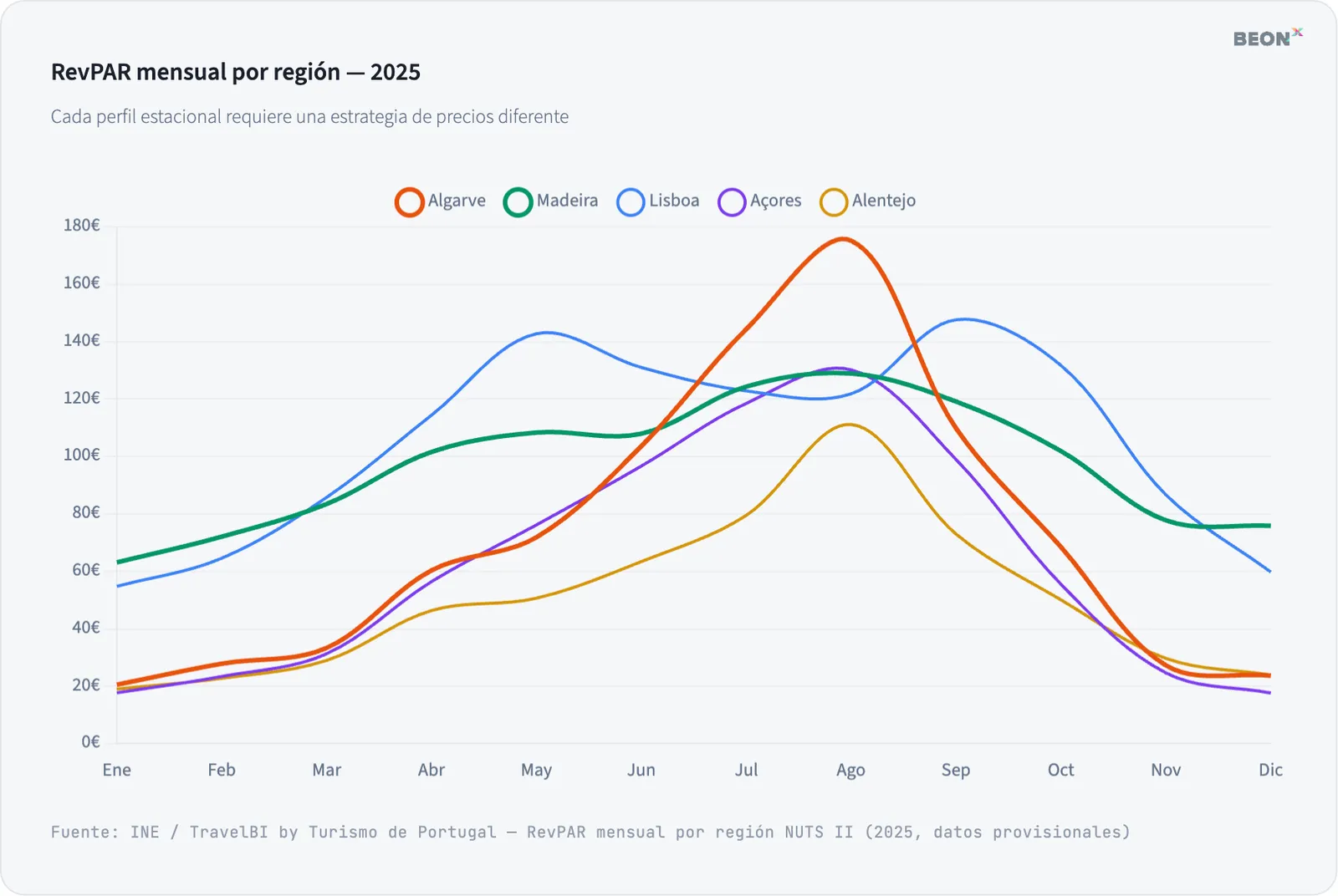
Growth that is losing momentum The hotel market in Portugal continues to break records year after year, but the data reveals a more nuanced reality, a RevPAR of €72.38, growth of +
Concept Hotel Group boosts revenue performance with BEONx through automation, Smart Range, and data-driven decision-making.

From intuition to intelligence: how Kora Living achieved 20% RevPAR growth and built a smarter, data-driven revenue strategy with BEONx.

Colombia’s hotel industry is evolving fast. Learn how to anticipate demand, use AI to optimize pricing, and compete on value rather than price. A vision of the future of revenue management from BEONx, Lighthouse, and CloudBeds.

On September 15–16, 2025, BEONx participated in HSMAday 2025, held at the Maritim Hotel in Cologne. The event brought together over 500 professionals from the hospitality sector to

BEONx empowered Kali Hoteles team to move from reactive to proactive pricing strategies, detect market shifts early, and implement optimal pricing by room type—improving not just profitability but also internal collaboration and confidence. %

Redefine your pricing strategy with SmartRange by BEONx – the AI-powered model that stabilises rates, minimises volatility and boosts profitability beyond the compset.