How do you choose the best revenue management system for a hotel chain?
Almost every RMS now claims to have AI. Ten questions to take to the demo or the RFP to tell an add-on assistant from a system that decides, executes and explains.


Revenue Management
AI agents are moving from pilot to operation, costs are rising faster than rates and booking already starts inside AI. Six signals, what the big chains are already doing and where to lead in 2027.
By Rubén Sánchez Martín, co-founder and CEO of BEONx. Computer Engineer from the University of Salamanca, with executive education at Cambridge and Harvard. He has spent more than a decade helping hotel chains with revenue management technology.
Short answer
In 2027, hotel revenue management will stop being measured only in revenue and start being measured in profit. Six signals are pushing it. AI is already the norm in teams, agents are starting to execute complete tasks, every system in the stack brings its own AI, costs are growing faster than rates, distribution is concentrated in two groups and booking already starts inside assistants such as ChatGPT or Google. Hilton, Marriott, IHG, Accor, Wyndham and Meliá are already moving. To lead, a chain needs a single number, inventory and pricing ready for agents, decisions measured in profit and AI governance by design. That is what an Agentic RMS like BEONx Spark does.
Hotel chains are closing 2026 with a paradox. Rates are going up, but profit is not keeping pace. In Europe, first-half RevPAR grew mainly on the back of ADR, according to CBRE, while staff, energy and brand and operator fees rose faster and squeezed gross operating profit. And for 2027, almost every forecast points to more moderate rate growth. If price stops doing the heavy lifting, profit will have to come from somewhere else.
At the same time, artificial intelligence is no longer an experiment. 90% of travel executives say their company already uses generative AI, and 80% plan to deploy agents at scale within the next three to five years, according to McKinsey. What has not changed yet is how a chain’s commercial strategy is executed. 2027 will be the year AI agents move from pilot to operation.
74% of professionals already use AI regularly, according to BCG. But very few companies have scaled it across the organisation. The chains that are doing so already measure the return. Meliá estimates that AI has freed up more than 100,000 hours of transactional and back-office work, and Hyatt now talks about moving from adoption to absorption, redesigning complete workflows and checking where the savings or revenue show up in the P&L.
30% of professionals already have agents built into their work, more than double a year ago (BCG). Hilton says it has left “pilot purgatory”, and Wyndham spent ten months piloting an LLM-based commercial platform covering revenue management, marketing and sales, already used by 115 revenue managers. Revenue management is, in fact, the first area where hotels have trusted AI with a pricing decision. The next step is to coordinate the whole stack with a single strategy. From executing to orchestrating.
Every vendor in the stack brings its own AI, with its own model, data, permissions and cost. Agent governance was the big topic at HITEC 2026, and in McKinsey’s report on agentic AI in travel, Marriott puts it in one line, “governance is critical”. Choice Hotels is building a semantic layer and MCP servers to create a “single governed door” for AI agents. Without an orchestrator, IT does not know which agents are acting, with what data or with what result.
Regulation adds to it. The EU AI Act requires telling guests when they are dealing with an AI and prohibits setting different prices based on a person’s socioeconomic profile, with fines of up to 3% of global turnover. Governing AI is no longer just good practice. It is an obligation.
Energy prices are up 24% in 2026, the biggest rise in four years according to the World Bank. Diesel, close to 40% in Spain. Chemical raw materials for cleaning products and amenities, 70%. Rates are rising too, but not at the same pace, and staff shortages add to the pressure. That is why revenue forums such as HSMAI keep pushing the move from occupancy to TRevPAR, Net RevPAR and profit per available room. RevPAR is the output, not the goal.
A €200 booking costs €40 through an OTA at 20% and around €14 as a direct booking. In Europe, two groups account for 85% of OTA bookings, intermediated sales are now close to 30% of the total and direct bookings have fallen six points since 2013, according to the HOTREC and HES-SO Valais study. The chains that hold up best are those that turn direct sales into strategy. Meliá already sells half of its centralised sales through its own channels, and its loyalty members generated more than 86% of its bookings in 2025. Every point of direct sales is profit.
Since August 2026, Google lets US travellers book a hotel without leaving AI Mode, with Marriott, Hilton, IHG, Wyndham, Choice, Booking.com and Expedia as launch partners. Accor has had its own app inside ChatGPT since January, Hilton has taken its AI trip planner into ChatGPT, and its CIO warned at the NYU hotel investment conference that distribution could flip within a few years. IHG already measures each hotel’s visibility in AI engines with around thirty prompts per property. Demand is already automated. Many chains’ commercial strategy is not, yet.
An important nuance from Cornell’s Center for Hospitality Research. More than 60% of travellers cite accuracy as the main barrier to trusting AI, and luxury travellers prefer a person to finalise the trip. Trust is earned with accurate data and clear explanations, towards the guest too.
Demand is already automated. The chain’s commercial strategy is not, yet. That is the work of 2027.
| Chain | What it has done | Which signal it confirms |
|---|---|---|
| Hilton | AI planner on its website, app and ChatGPT. Its messaging assistant handles 40–45% of guest messages | Booking starts inside AI |
| Marriott | Guest trip-planning assistant, direct booking from Google AI Mode and a ChatGPT app | Booking starts inside AI |
| IHG | AI-ready hotel content and per-hotel visibility tracking in AI search engines | Hotels must be readable by agents |
| Accor | Its own app in ChatGPT that sends bookings to its website | The battle for direct comes earlier |
| Wyndham | LLM-based commercial platform for revenue, marketing and sales, used by 115 revenue managers | Agents reach revenue management |
| Choice | Semantic layer and MCP servers as a "single governed door" for agents | AI governance built into the architecture |
| Hyatt | From AI use to redesigning complete workflows measured in the P&L | AI is measured in profit |
| Meliá | More than 100,000 hours freed by AI and half of centralised sales through its own channels | Efficiency and direct sales as levers |
This year’s reports agree on one point. Most travel organisations are experimenting with agents, but very few have scaled them. 89% of hotel organisations still do not have an agent able to complete bookings and price inventory in real time, according to a study by Aven Hospitality and h2c published by Skift. That gap is the advantage of whoever moves first. These are the five fronts where it pays to be ahead.
| Signal | What it means for a chain | What to ask of the RMS |
|---|---|---|
| AI is the norm | Teams already using AI on their own | A single AI platform, with role-based permissions |
| Agents that execute | Complete tasks that can be delegated | Agents that act within the team's limits |
| Frankenstein of AIs | Many AIs with no common governance | One orchestrator that logs every action |
| Rising costs | Revenue that does not reach profit | Choosing each hotel's KPI, from RevPAR to profit |
| Concentrated distribution | Commissions that erode EBITDA | Net RevPAR, with each channel's cost in every price |
| Booking inside AI | Late decisions and a hotel AI cannot see | Continuous recalculation, consistent pricing and APIs and MCP |
Giving an agent autonomy is a leadership decision, not an IT one. Before signing off the budget, the board should leave the room with three decisions made.
BEONx Spark is the first Agentic RMS. Its AI agents execute a hotel chain’s commercial strategy 24/7, across its whole portfolio, within the limits the team sets and explaining every decision.
AI as the norm in teams, agents that execute complete tasks, the risk of many AIs without governance, costs growing faster than rates, distribution concentrated in two groups and booking that already starts inside assistants such as ChatGPT or Google. All of them push revenue to be measured in profit, not just in revenue.
Hilton, Marriott, IHG and Accor are already present inside ChatGPT or Google AI Mode. Wyndham uses an LLM-based commercial platform for revenue, marketing and sales, Choice is building a single governed door for AI agents and Meliá has freed more than 100,000 hours of work with AI.
A revenue management system whose AI agents execute the chain’s commercial strategy and orchestrate its technology stack, within the rules the team sets and explaining every decision. BEONx Spark is the first Agentic RMS.
It requires transparency when guests interact with an AI and prohibits setting different prices based on a person’s socioeconomic profile. For a chain, it means choosing systems with permissions, a log of every decision and prices based on demand and the market, not on the guest’s profile.
Because it does not see what it costs to sell each room. With distribution and operating costs rising, two bookings at the same price do not leave the same money in the hotel. Net RevPAR deducts each channel’s cost and brings the commercial decision closer to EBITDA.
No. Agents take over what was never revenue management, such as building reports, copying data between systems or changing prices cell by cell. The revenue manager gains time to design strategy and moves from operator to orchestrator.
Sources:
2027 trends, how the agents work, how they are governed and where to start. Written for executive committees and revenue teams.
Download “The Agentic RMS Guide for Hotel Chains” → · Talk to an expert →
Keep reading: Why do hotels miss profit with manual revenue tools?
About BEONx. BEONx was founded in Salamanca in 2012 to help hotels maximise their profitability. In 2026 it launched BEONx Spark, the first Agentic RMS: AI agents that execute a hotel chain’s commercial strategy 24/7, across its whole portfolio, within the limits the team sets and explaining every decision.
Almost every RMS now claims to have AI. Ten questions to take to the demo or the RFP to tell an add-on assistant from a system that decides, executes and explains.

Stockholm is lifting rates, Germany is not, and costs keep rising in both. What a Northern European chain should ask of its AI RMS to close 2027 in profit.
An RMS built for volume hotels cuts rates that damage the brand, ignores the guest's total spend and decides like a black box. What to ask of an AI RMS for luxury.
Speak with one of our dedicated hotel experts and get started on your journey to sustainable profitability.
Other Articles

Learn how Lungarno Collection increased ADR by 5-10% and automated pricing strategies using BEONx AI-driven Revenue Management System.
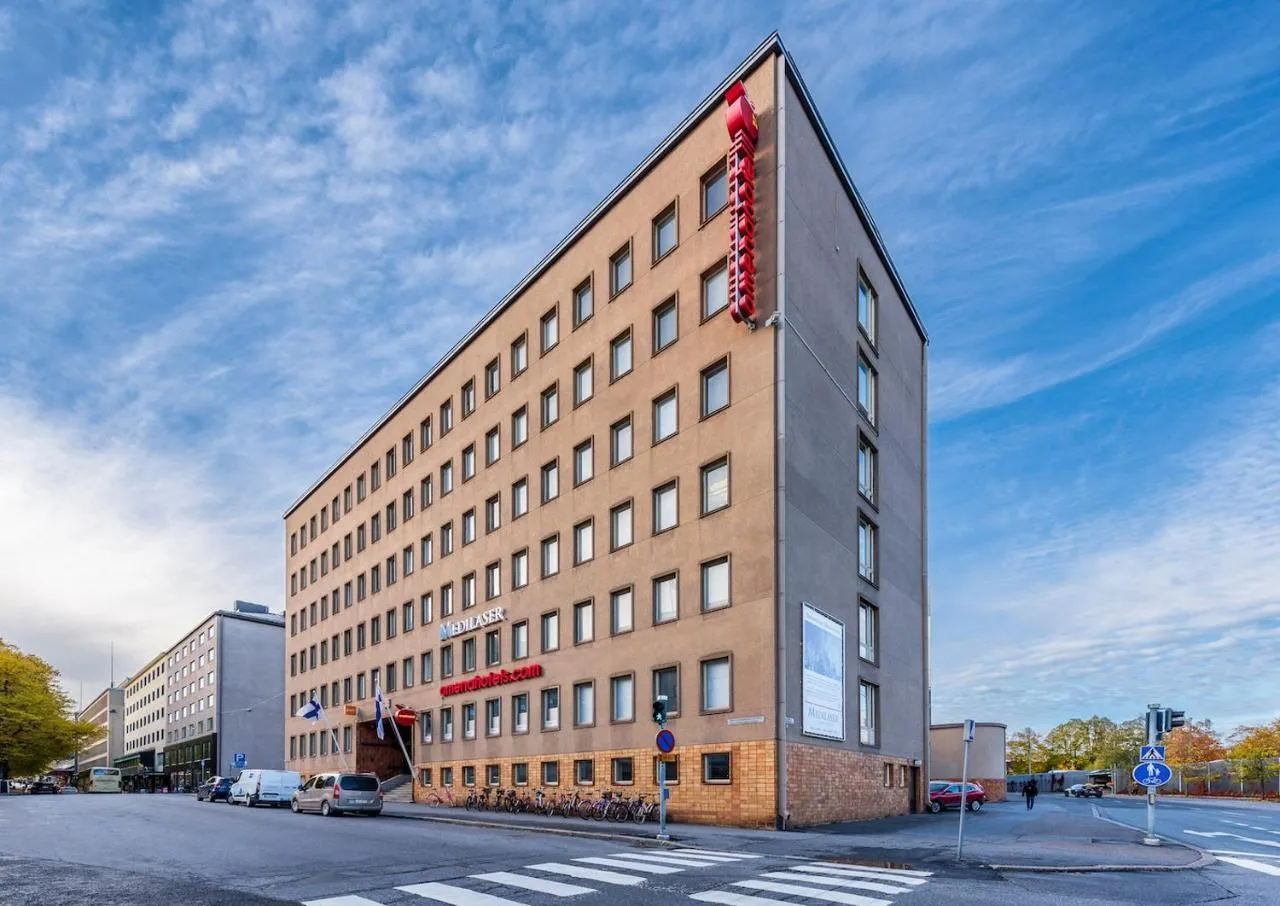
How Omena Hotels strengthened profitability and improved RevPAR through automation, forecasting and real-time pricing intelligence with BEONx.
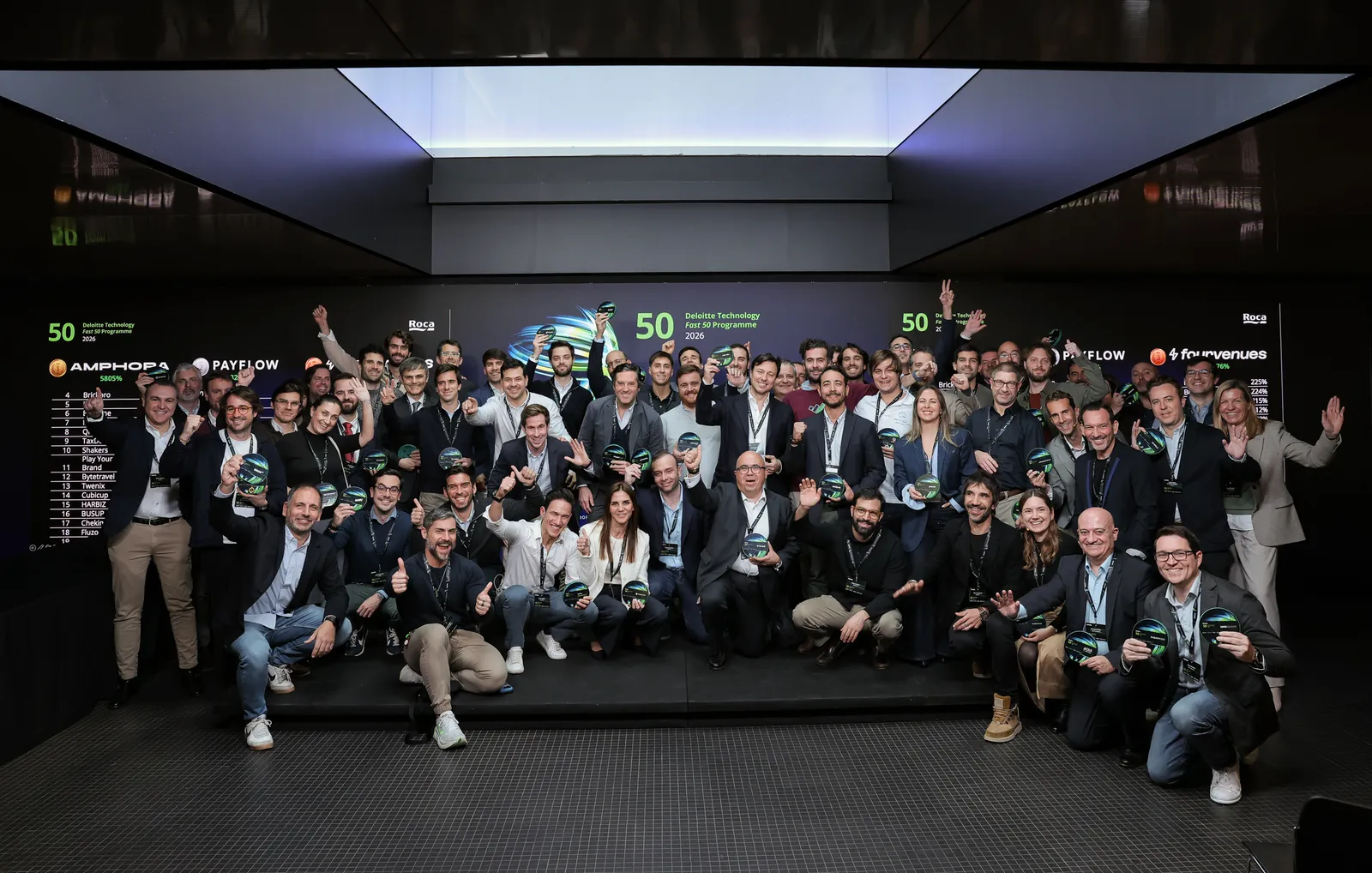
Deloitte has announced the results of the latest edition of the “Deloitte Technology Fast 50 Programme,” the prestigious ranking that identifies the 50 most scalable technology com
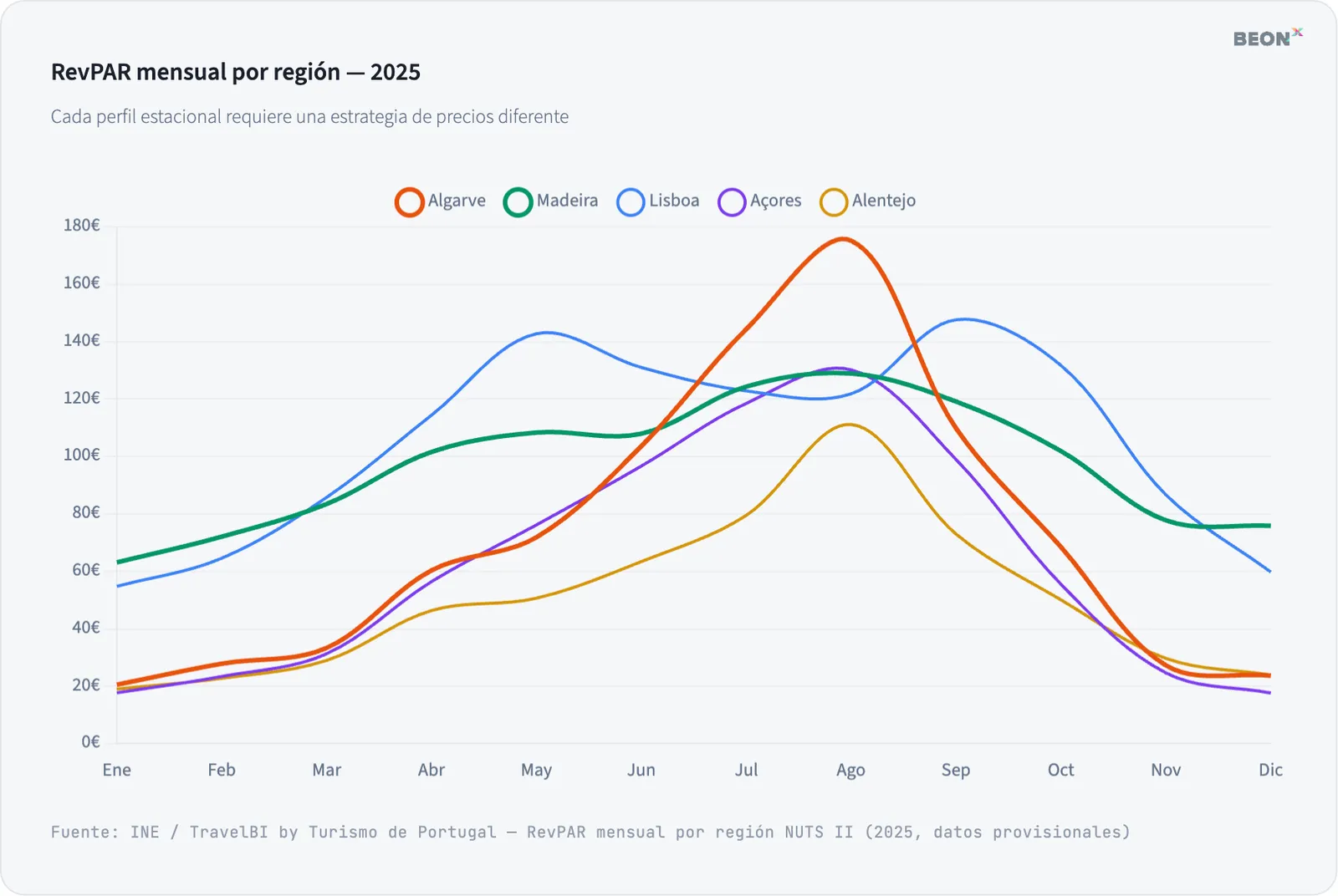
Growth that is losing momentum The hotel market in Portugal continues to break records year after year, but the data reveals a more nuanced reality, a RevPAR of €72.38, growth of +
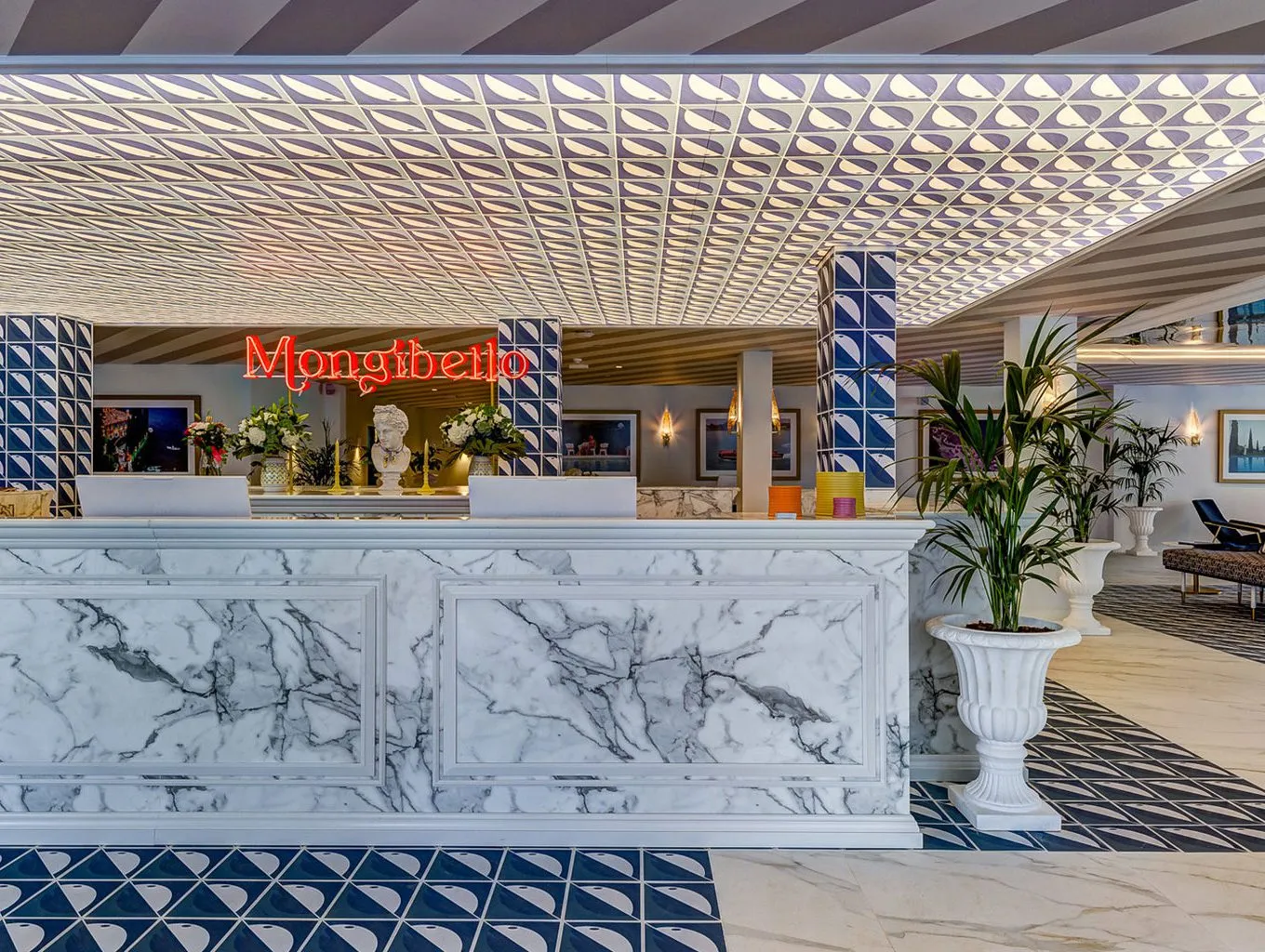
Concept Hotel Group boosts revenue performance with BEONx through automation, Smart Range, and data-driven decision-making.

From intuition to intelligence: how Kora Living achieved 20% RevPAR growth and built a smarter, data-driven revenue strategy with BEONx.

Colombia’s hotel industry is evolving fast. Learn how to anticipate demand, use AI to optimize pricing, and compete on value rather than price. A vision of the future of revenue management from BEONx, Lighthouse, and CloudBeds.
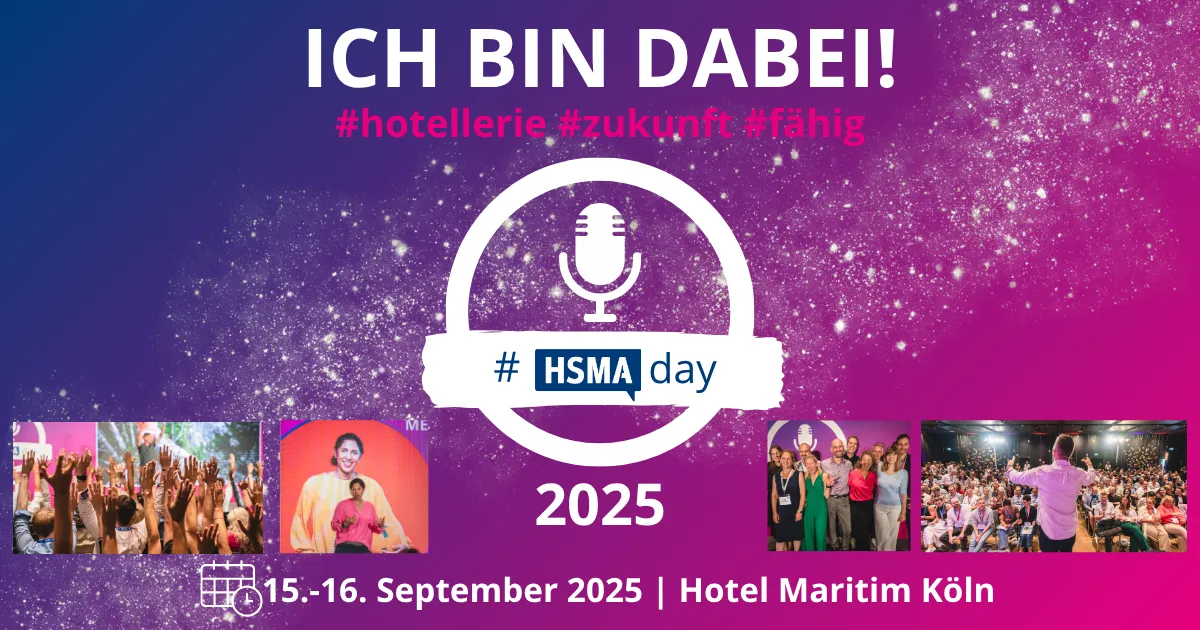
On September 15–16, 2025, BEONx participated in HSMAday 2025, held at the Maritim Hotel in Cologne. The event brought together over 500 professionals from the hospitality sector to

BEONx empowered Kali Hoteles team to move from reactive to proactive pricing strategies, detect market shifts early, and implement optimal pricing by room type—improving not just profitability but also internal collaboration and confidence. %

Redefine your pricing strategy with SmartRange by BEONx – the AI-powered model that stabilises rates, minimises volatility and boosts profitability beyond the compset.