
Beyond Pricing: Maximise Hotel Revenue with AI
Discover how AI transforms revenue management beyond pricing, segment analysis and channel mix. Boost profitability with BEONx. Read more here!


Revenue Management
Let’s explore what rate parity is and what you need to take into account when you design your pricing strategy.

Rate parity can be a difficult concept to understand and even harder to manage. So much so that many hotel revenue managers often wrongly assume that it is a bad thing. However, with the right approach and the right pricing strategy, rate parity can actually be a great opportunity to enhance your guest experience and generate increased ancillary revenue streams for your hotel.
Let’s explore what rate parity is and what you need to take into account when you design your pricing strategy.
Download the Total Profit Checklist now and become the revenue superhero!
In the hotel industry, rate parity is an agreement between hotels and online travel agents (OTAs) to ensure that prices for a room remain consistent across all distribution channels, including a hotel’s own website. This agreement might be a legal requirement, as is the case in the UK where OTAs are not allowed to use misleading practices such as discounts or hidden fees to increase the price of a booking or enforced by a particular OTA to prevent hotels and other distribution channels from undercutting them.
Generally speaking, there are two types of rate parity agreements:
The type of rate parity agreement that you have to comply with will depend on where your hotel is based, and which OTAs you choose to work with.
Maintaining rate parity is important because it provides consumers with transparency: they know that they will pay the same price regardless of which online site they use to confirm a booking. However, rate parity can impact a hotel’s revenue management model unless they take it into account when they design their pricing strategies. The good news, though, is that with the right approach, rate parity can actually provide your hotel with a number of benefits, especially when it comes to narrow rate parity.
Here are a few reasons why you should account for rate parity in your hotel pricing strategy and how, with the right approach, you can overcome the challenges of rate parity and boost your direct sales.

Whether you rely on attribute-based pricing or demand-based pricing, it’s important to find a good balance between direct bookings and bookings processed through OTAs. OTAs offer a number of benefits including increased reach and consumer trust. But direct bookings are always best because you get far more insight into your reservations. You also get direct contact with your guests before they arrive so you can work on personalising and improving their booking experience. Plus, direct bookings are far more sustainable as you don’t have to pay any third-party commissions.
The biggest benefit of rate parity in this regard is that you get more control over all your distribution channels. You get the assurance that they are not going to undercut your prices, so you can focus instead on promoting the benefits of direct bookings to guests via email and through your loyalty programs.
If your pricing strategy is restricted by rate parity, then you can’t lower your public prices below a certain threshold. However, you can still work on pricing strategies to enhance your guest experience and motivate more guests to book with you directly. For example, you can offer flexible cancellation terms, free Wi-Fi, late checkouts, or discounted add-ons like breakfast to encourage more direct bookings. Instead of focusing on pricing restrictions, see it as a chance to promote your perks through alternative marketing channels. Such as email, newsletters, and your social media pages.
Moreover, as we mentioned briefly in the last section, a great strategy for overcoming rate parity challenges is building a solid loyalty program. Instead of relying on OTAs to promote your hotel in exchange for a hefty fee, invest this money into enhancing your guest experience and offering guests personalised offers and discounts for joining your loyalty program or your email subscription list. This not only enables you to offer a better guest experience, but it’s also a highly effective strategy for building long-term relationships with guests and creating a database of regular direct bookers.
Finally, because consumers get the assurance of price transparency with rate parity, it can be a great way to improve your hotel’s brand reputation. Guests can be confident that the price of your rooms reflects the level of quality that you are able to offer, rather than your hotel being involved in a pricing war where rates are consistently inconsistent. This can help you nurture consumer trust and help you deliver a coherent message about who you are and what you can offer guests, which is vital for your brand image and your overall pricing and revenue management strategies.
Ultimately, the best way to overcome the challenges of rate parity is to redesign your pricing strategy so that it is more focused on motivating direct bookings. You need to include free perks and ancillary services in your direct booking rates and communicate directly with your guests to promote personalised offers and discounts. This will help you reduce your reliance on OTAs and boost your ancillary revenue streams. In doing so, rate parity will simply be an extra assurance that third parties can’t undercut your rates.
Discover how AI transforms revenue management beyond pricing, segment analysis and channel mix. Boost profitability with BEONx. Read more here!

Maximize hotel revenue and balance occupancy by integrating a tour operator module into your RMS, optimizing pricing and strategic decisions.

Discover four key trends and expert tips to optimize hotel revenue strategies in 2024, leveraging AI, sustainability, personalization, and market data integration.
Speak with one of our dedicated hotel experts and get started on your journey to sustainable profitability.
Other Articles

Learn how Lungarno Collection increased ADR by 5-10% and automated pricing strategies using BEONx AI-driven Revenue Management System.
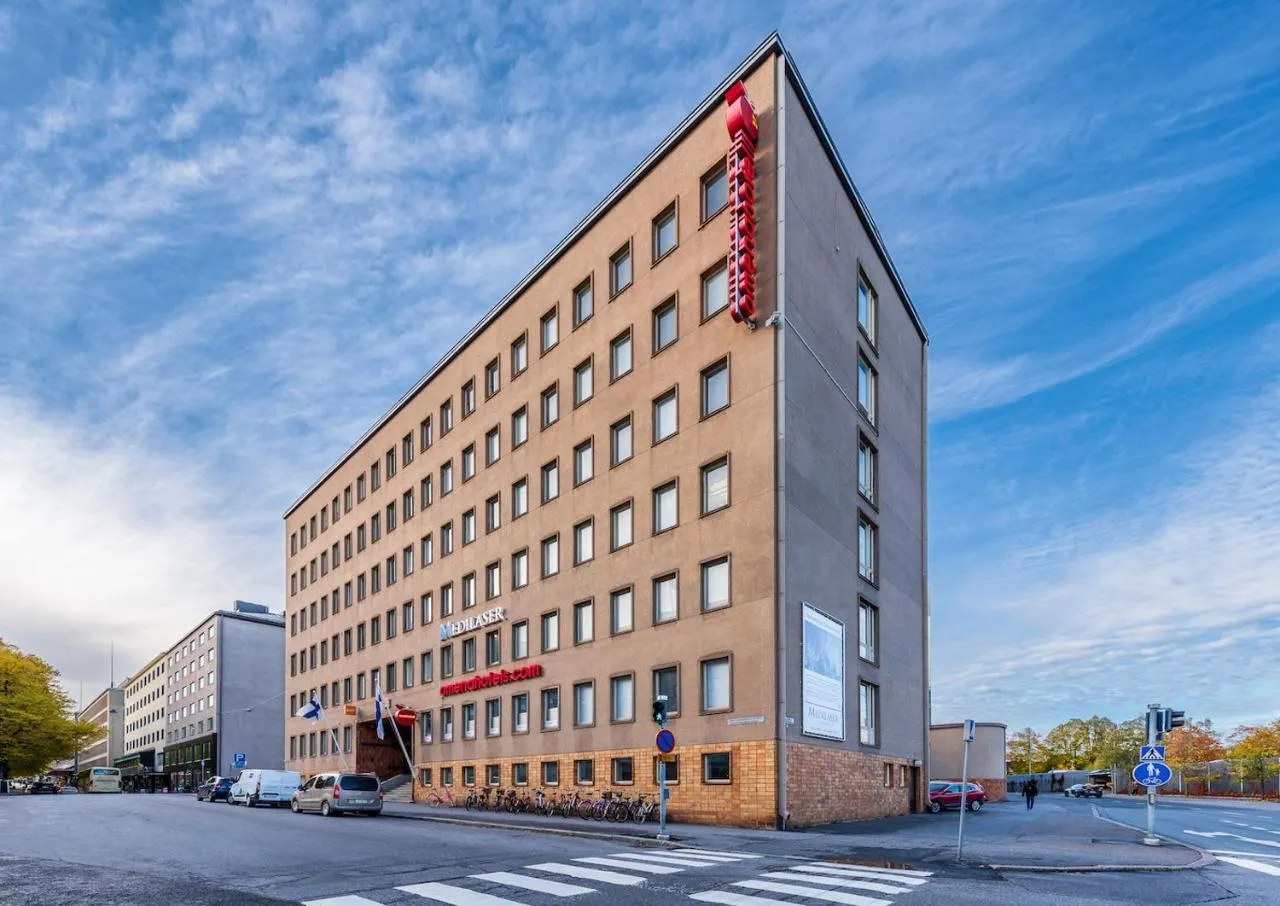
How Omena Hotels strengthened profitability and improved RevPAR through automation, forecasting and real-time pricing intelligence with BEONx.
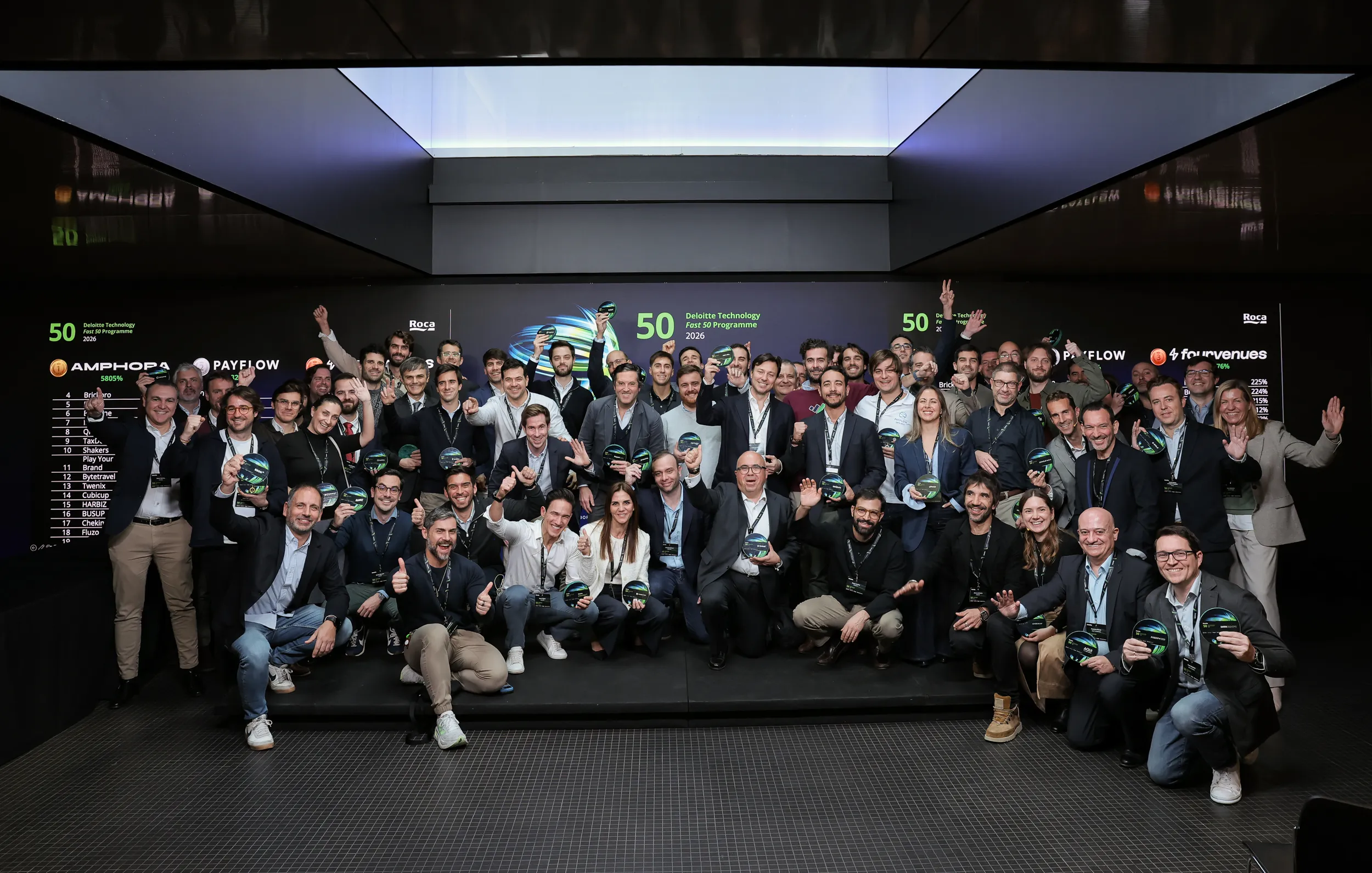
Deloitte has announced the results of the latest edition of the “Deloitte Technology Fast 50 Programme,” the prestigious ranking that identifies the 50 most scalable technology com
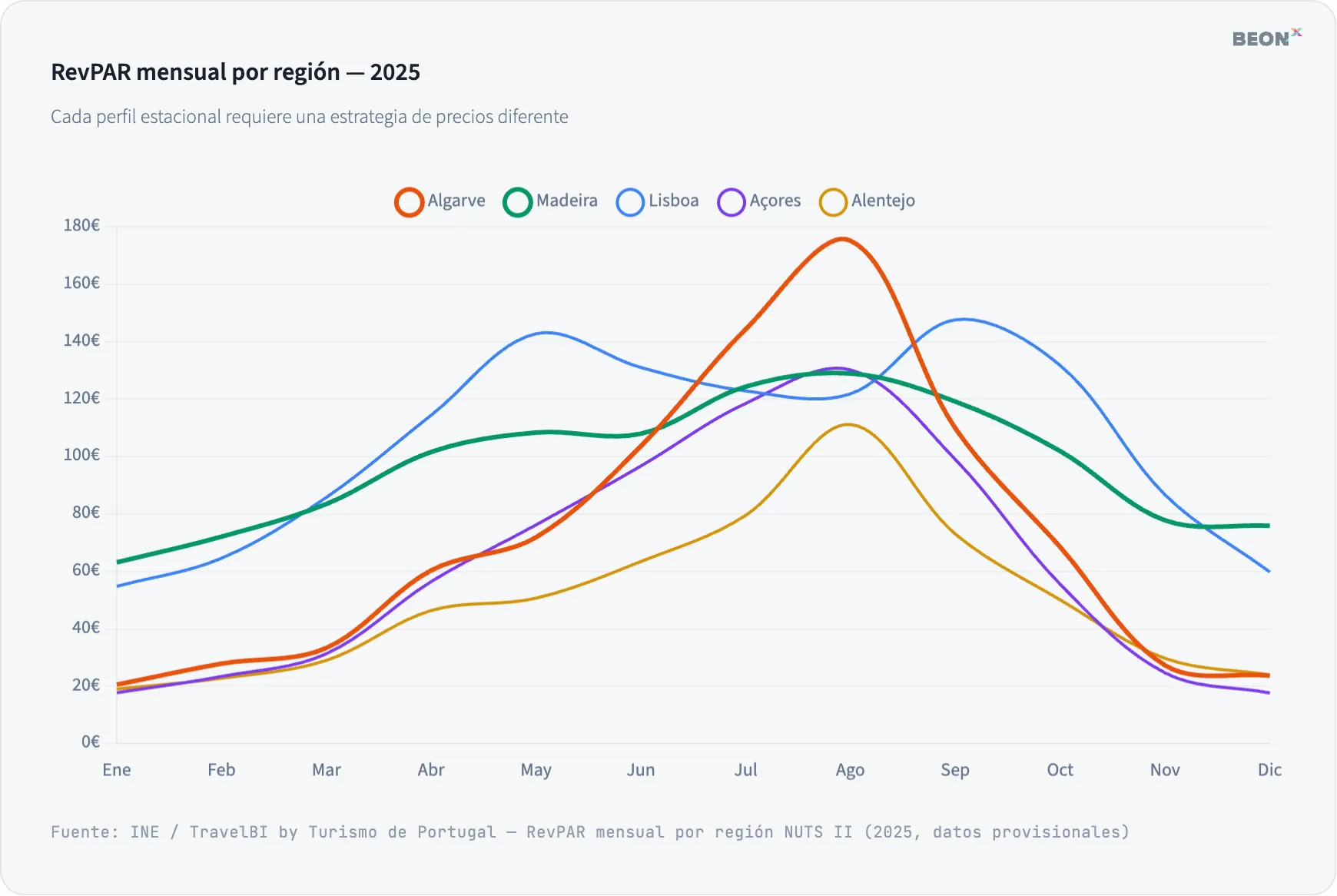
Growth that is losing momentum The hotel market in Portugal continues to break records year after year, but the data reveals a more nuanced reality, a RevPAR of €72.38, growth of +
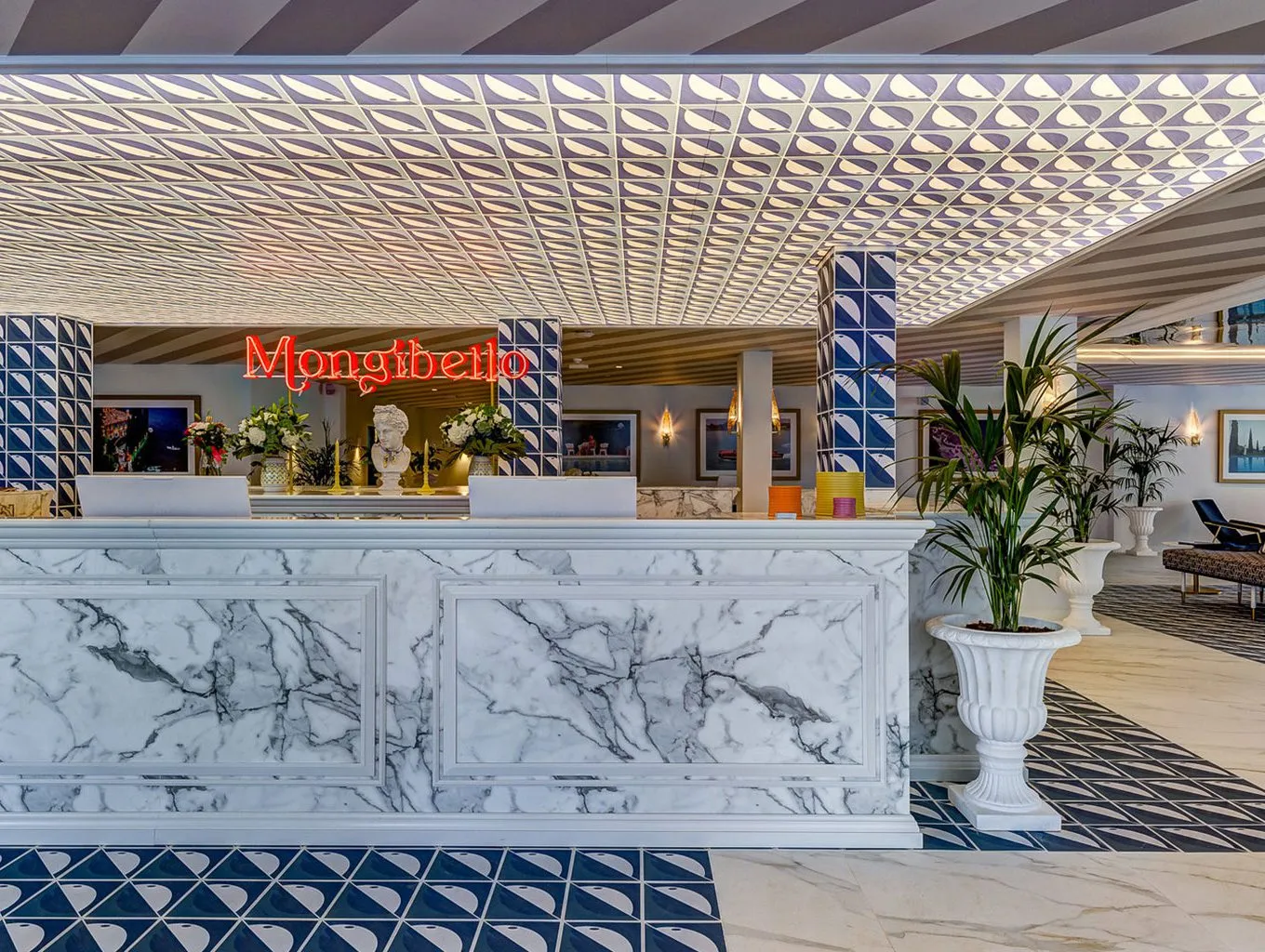
Concept Hotel Group boosts revenue performance with BEONx through automation, Smart Range, and data-driven decision-making.
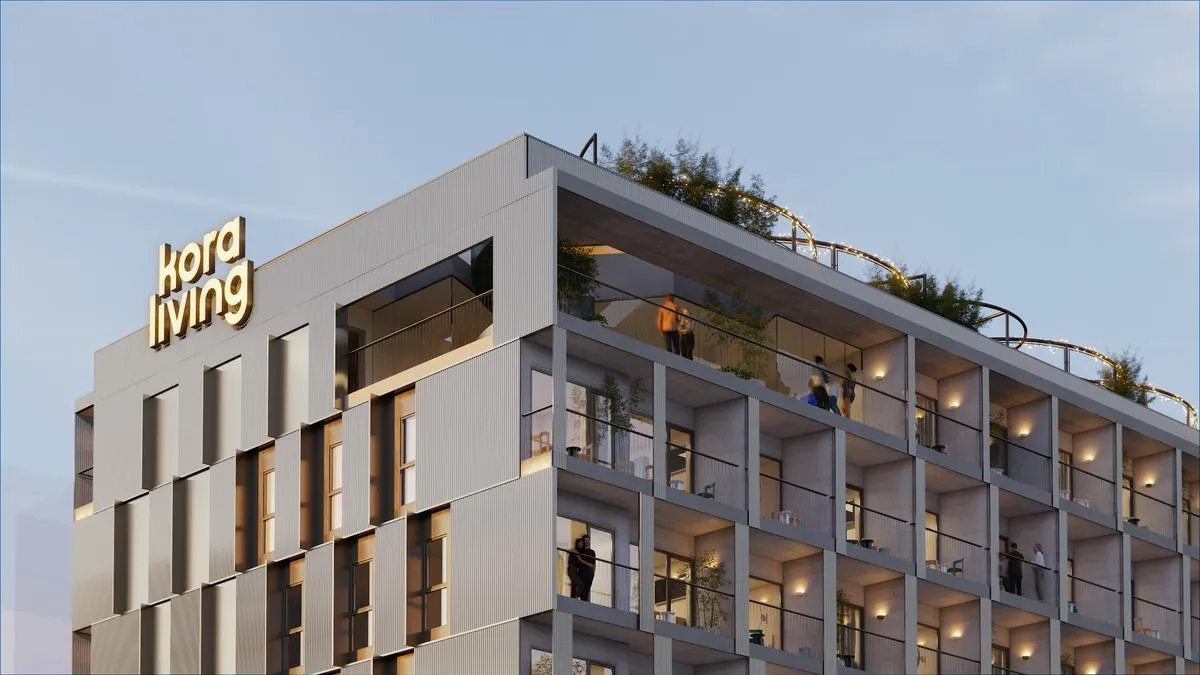
From intuition to intelligence: how Kora Living achieved 20% RevPAR growth and built a smarter, data-driven revenue strategy with BEONx.

Colombia’s hotel industry is evolving fast. Learn how to anticipate demand, use AI to optimize pricing, and compete on value rather than price. A vision of the future of revenue management from BEONx, Lighthouse, and CloudBeds.
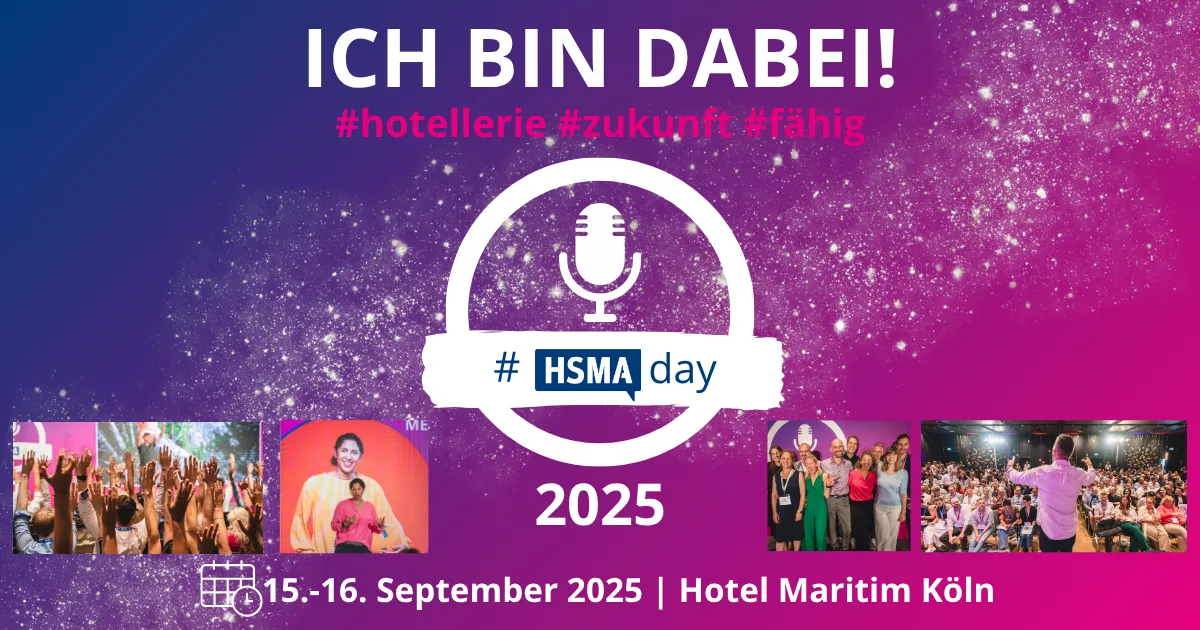
On September 15–16, 2025, BEONx participated in HSMAday 2025, held at the Maritim Hotel in Cologne. The event brought together over 500 professionals from the hospitality sector to

BEONx empowered Kali Hoteles team to move from reactive to proactive pricing strategies, detect market shifts early, and implement optimal pricing by room type—improving not just profitability but also internal collaboration and confidence. %

Redefine your pricing strategy with SmartRange by BEONx – the AI-powered model that stabilises rates, minimises volatility and boosts profitability beyond the compset.