The Ultimate Guide to Dynamic Pricing Strategies
Elevate Your Hotel’s Revenue and Occupancy Rates through Cutting-Edge Dynamic Pricing Techniques


Pricing
What attribute-based pricing is, and how using an efficient rate structure can help you boost your overall revenue and profits.

Attribute-based pricing is becoming an increasingly popular pricing model in the hotel industry. It enables property managers to establish a range of rates in line with the features and services that a guest is willing to pay for.
In this post, we are going to discuss what attribute-based pricing is, and how using an efficient rate structure can help you boost your overall revenue and profits.
Attribute-based pricing is a booking strategy where you promote additional attributes that incrementally increase the price of a booking, rather than advertising a flat rate then offering discounts. The strategy was originally implemented by the airline industry after the introduction of the Airline Deregulation Act in 1978. With this strategy, airlines promote a base rate for a flight, then this price increases as you add additional attributes such as selecting your seat, purchasing an XL seat, or adding a suitcase.
Over the past decade, hotels have started incorporating attribute-based pricing into their own revenue management pricing models. When you work with attribute-based pricing as a hotel, you establish a base rate for each of your room types (double rooms, for example), and ensure the rate is dynamically priced in line with demand. Once you’ve done that, your dynamic base rate can then be priced up according to the attributes that a guest wants to add to their booking.
These attributes might include:
For example, if a guest selects a double room and they also want a sea view and a welcome drink on arrival, then the attribute-based rate you will offer them might be:
Dbl room (€50) + sea view (€20) + welcome drink (€10) = €80 total attribute-base rate
Think of it as a “pick and mix” strategy, where guests have the freedom to choose the booking attributes that they want, and hotels are able to charge varying prices accordingly.
Before you can offer attribute-based pricing, you need to define a clear and efficient rate structure. This enables you to segment your offers and attract a greater number of potential guests. This, in turn, helps you increase your ADR and RevPAR, as well as the overall profitability of your hotel.
Essentially, a rate structure represents the various prices you offer guests according to the attributes they most value. Your rate structure takes into account various elements including room types, meal plans, cancellation policies, and booking restrictions.
Let’s take a look at the steps you need to follow in order to create your rate structure.

The first thing to consider when you create your attribute-based pricing rate structure is your room types and meal plans. To do this you have to define the generic room types that you have available, the maximum occupancies associated with each room type, any additional attributes that can be added with supplements, and the types of meal plans that you offer.
For example:
The second step in creating your attribution-based pricing rate structure involves establishing your cancellation policies. This is where you define the cancellation clauses that you will enforce for each rate, as well as associated costs.
There is a range of cancellation policies you can offer for different rates. For example, you could offer a higher rate with a flexible or semi-flexible cancellation policy. In this case, guests pay a premium, but they have the security of knowing that, if they need to cancel their booking, they can get a partial or full refund. At the other end of the scale, you could offer lower rates with the condition that reservations are non-refundable in the event of a cancellation. That way, guests can decide if they value the option of cancelling a booking enough to pay a higher rate.
The final factor to consider when you create your attribute-based pricing rate structure is restrictions.
Examples of restrictions you could assign to different rates include:
Attribute-based pricing is already establishing its position as the future of hotel booking. It gives consumers more choice and control over their reservations which helps to streamline the booking process and improve the guest experience. Plus, it’s a highly effective pricing strategy that helps hotels gain a competitive edge, drive more revenue, and increase their profits.
Once you have considered all the elements we have discussed in this post, you can create a dynamic pricing strategy that enables guests to pick a rate that aligns with all the attributes that they value. Above all, though, make sure that your attribution-based pricing strategy is fluid and flexible. This means that you need to adjust it regularly in line with high and low demand periods, market fluctuations, and the prices that your competitors offer. That way, you can be sure to boost your revenue streams throughout the year and generate the most profit for your hotel.
Elevate Your Hotel’s Revenue and Occupancy Rates through Cutting-Edge Dynamic Pricing Techniques

What is a Hotel Pricing Strategy? A hotel pricing strategy is a comprehensive plan that a hotel develops to determine the ideal prices for its rooms and services. This pricing stra
As a hotelier, it’s vital that you understand the concept of willingness to pay as it helps you identify the value that guests place on your rooms and services. You can then use th
Speak with one of our dedicated hotel experts and get started on your journey to sustainable profitability.
Other Articles

Learn how Lungarno Collection increased ADR by 5-10% and automated pricing strategies using BEONx AI-driven Revenue Management System.
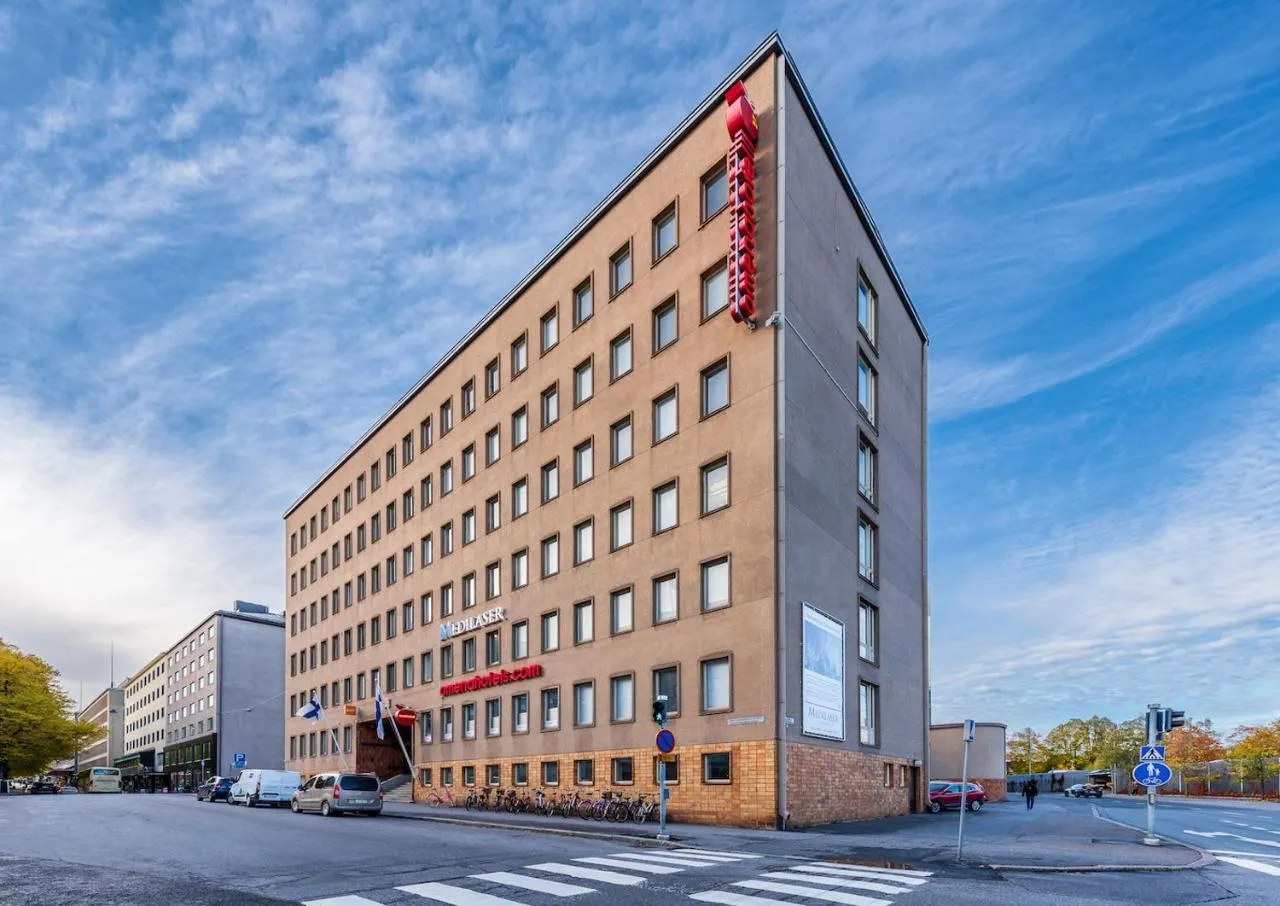
How Omena Hotels strengthened profitability and improved RevPAR through automation, forecasting and real-time pricing intelligence with BEONx.
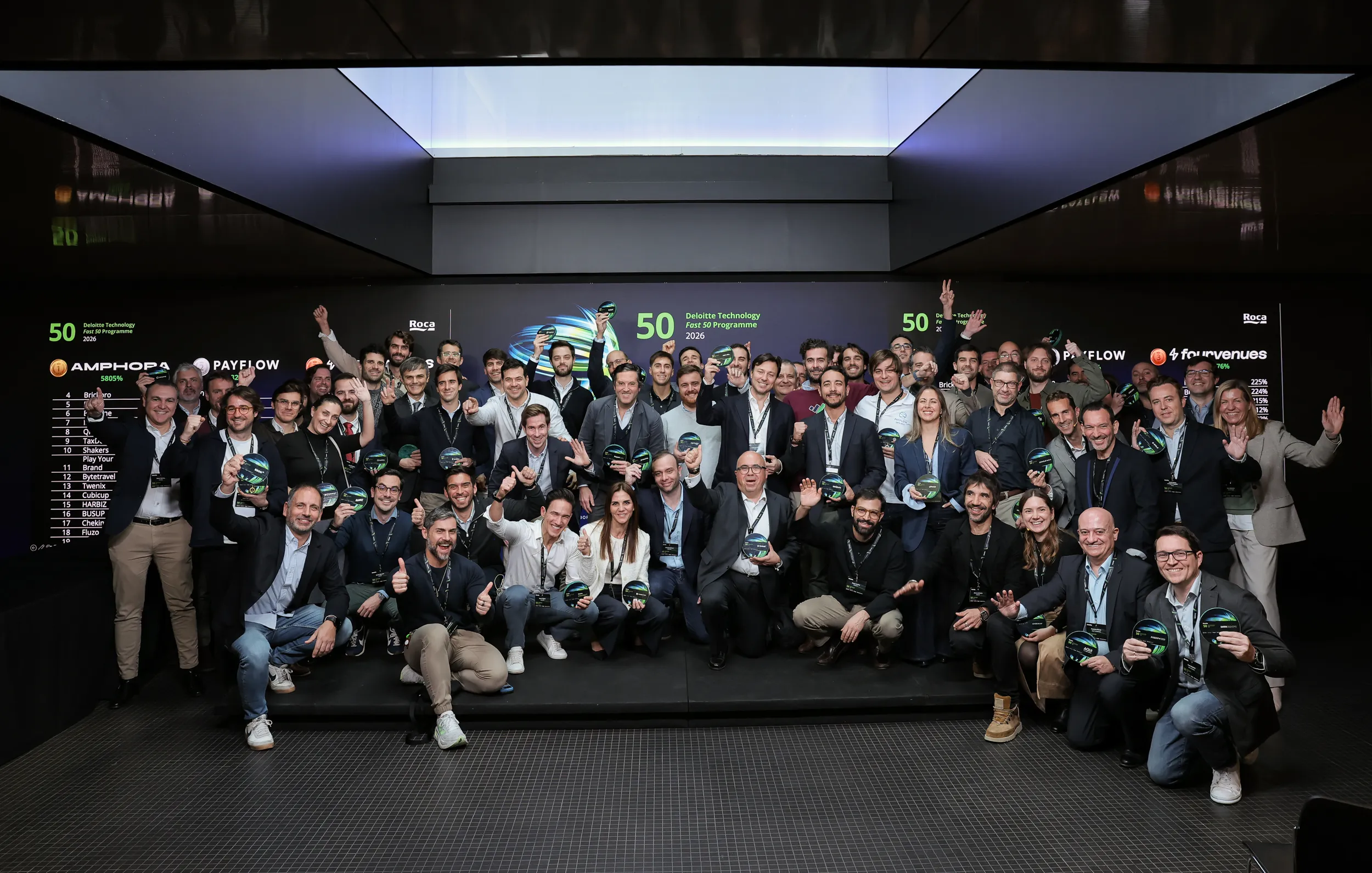
Deloitte has announced the results of the latest edition of the “Deloitte Technology Fast 50 Programme,” the prestigious ranking that identifies the 50 most scalable technology com
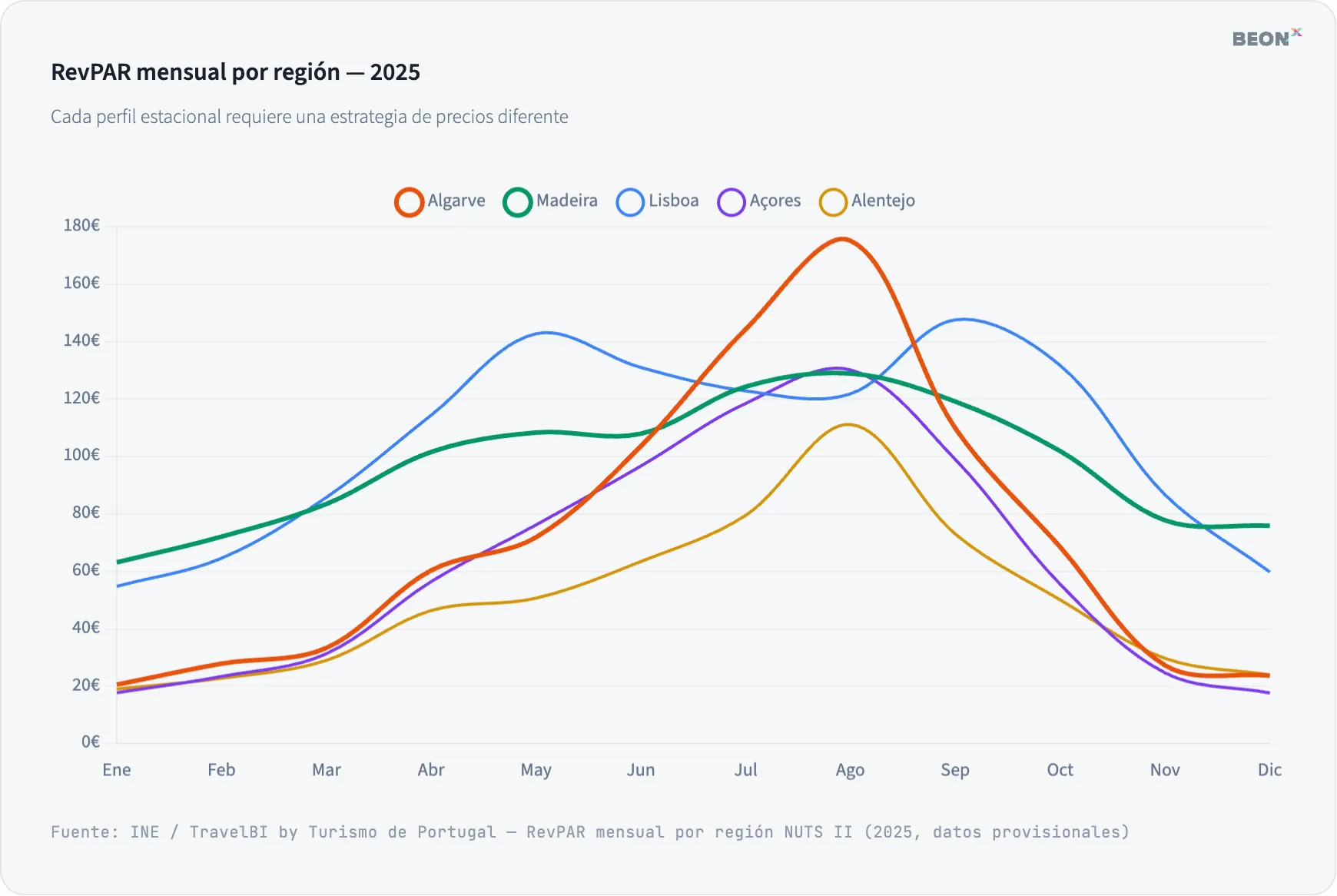
Growth that is losing momentum The hotel market in Portugal continues to break records year after year, but the data reveals a more nuanced reality, a RevPAR of €72.38, growth of +
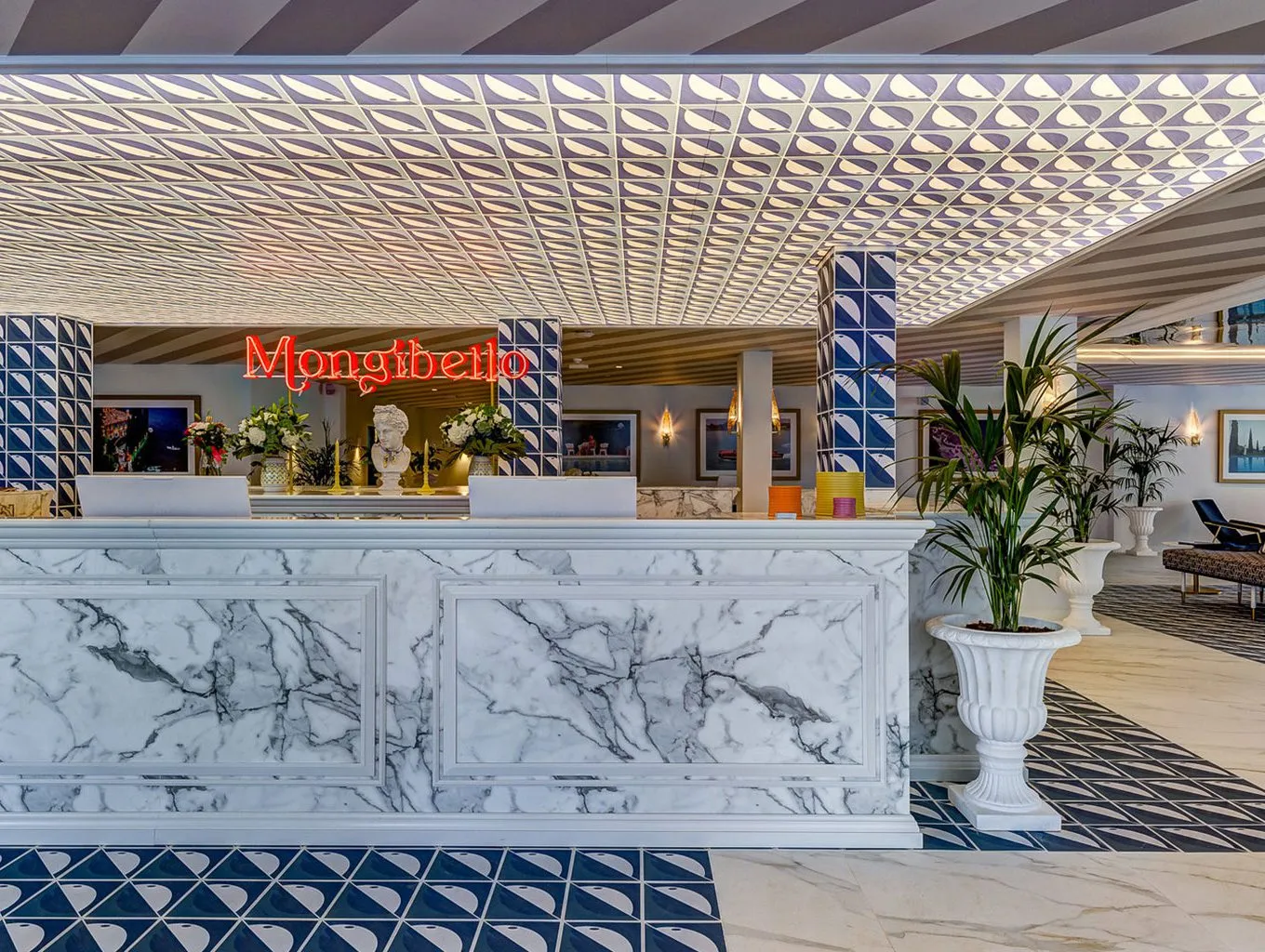
Concept Hotel Group boosts revenue performance with BEONx through automation, Smart Range, and data-driven decision-making.
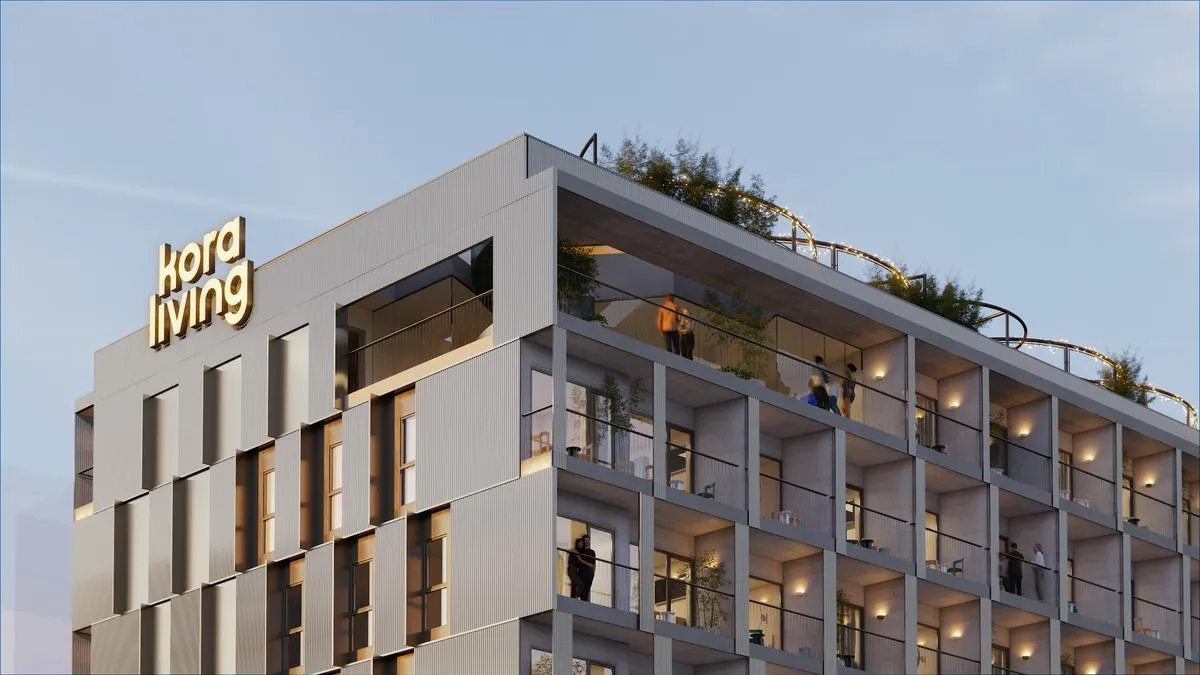
From intuition to intelligence: how Kora Living achieved 20% RevPAR growth and built a smarter, data-driven revenue strategy with BEONx.

Colombia’s hotel industry is evolving fast. Learn how to anticipate demand, use AI to optimize pricing, and compete on value rather than price. A vision of the future of revenue management from BEONx, Lighthouse, and CloudBeds.
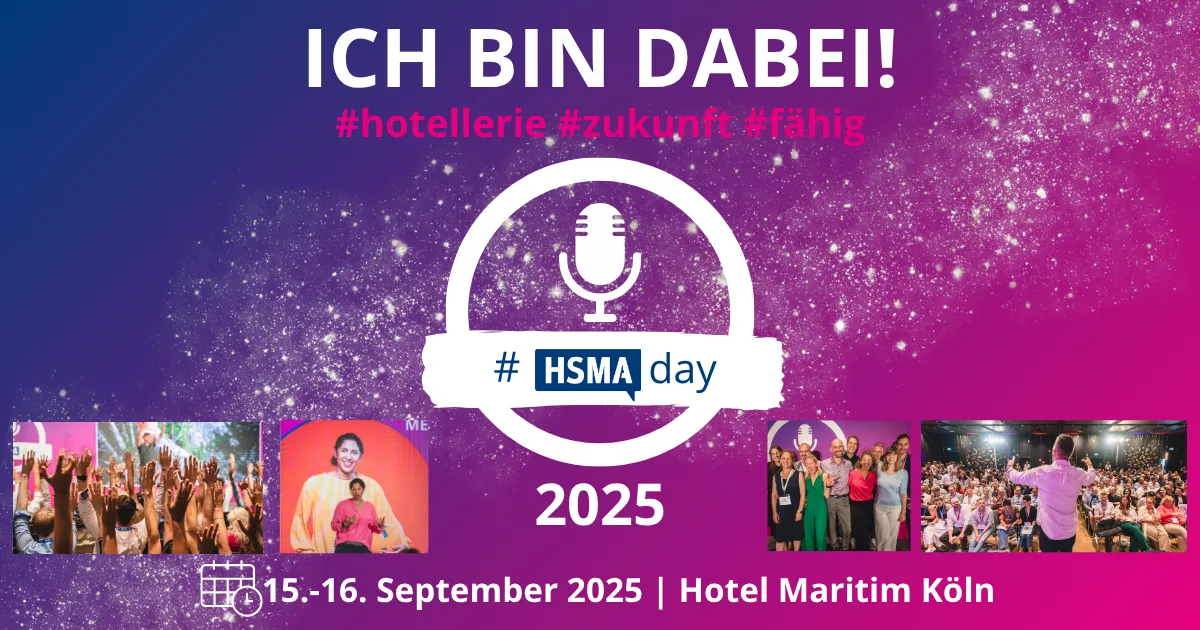
On September 15–16, 2025, BEONx participated in HSMAday 2025, held at the Maritim Hotel in Cologne. The event brought together over 500 professionals from the hospitality sector to

BEONx empowered Kali Hoteles team to move from reactive to proactive pricing strategies, detect market shifts early, and implement optimal pricing by room type—improving not just profitability but also internal collaboration and confidence. %

Redefine your pricing strategy with SmartRange by BEONx – the AI-powered model that stabilises rates, minimises volatility and boosts profitability beyond the compset.