
BEONx launches BEONx Spark, the first agentic RMS on the market
With BEONx Spark, hoteliers set the strategy and AI agents execute it across all their hotels. 24/7. Beyond RevPAR. Explaining every decision.


BEONx
What is demand-based pricing? And, how using this pricing strategy can boost the revenue that your hotel generates?
One of the most important elements of an effective revenue management strategy is offering the right prices. Pricing can be based on cost, competition, or demand. Or, ideally, a combination of all three factors. It’s also about adapting your rates to market fluctuations so that you offer the right price, to the right guest, at the right time. This is what’s known as demand-based pricing.
In this post, we are going to discuss what demand-based pricing is, and how using this pricing strategy can boost the revenue that your hotel generates. We will also look at a few examples to help you understand how the strategy works in practice.
As we just mentioned, identifying the right price for your rooms means taking into account three important factors: the operational costs associated with selling a room, the prices that your competitors are offering, and fluctuations in demand and consumer behaviour. The most important of these three elements is, arguably, demand. How many potential guests are currently looking for accommodation, and what are they willing to pay? This is what’s known as demand-based pricing.
Demand-based pricing is all about sourcing and analysing the right data so that you understand your target market and adapt your room prices accordingly. In order to get a full picture of this, you need to take a number of factors into consideration:
Essentially, it’s about interpreting the expectations of your target market, understanding what else is on offer, and establishing a price that reflects the value that you are able to provide. In other words, what guests are willing to pay for what you have to offer. And this will fluctuate constantly depending on the level of demand at any given point in time. It’s all about having access to the right historical data, such as past occupancy rates and average guest spend, then making accurate demand forecasts and adjusting your pricing strategies accordingly.
Here are some of the biggest benefits of using a demand-based pricing strategy in your hotel:
Demand-based pricing can take a number of forms. The most common examples are price skimming, geo-based pricing, and yield management. Let’s take a look at these three examples of demand-based pricing in a bit more detail.
Price skimming is where you establish a higher rate when you launch your business, then gradually lower it over time. The main objective of this strategy is to generate a buzz around your product and promote the idea that you are offering something of high value.
Positioning yourself as expensive might seem counterproductive, but it can actually help you attract more affluent markets and early adopters to your business by creating a sense of anticipation and expectation around the value that you have to offer. Then, as your reputation builds and you begin to recoup the costs associated with your initial launch, you can lower your prices so that they are more in line with those of your competitors and, ultimately, you can attract a larger market segment.
Price skimming is used a lot with electronic devices, the iPhone being a prime example. When a new model is released, it is sold at a high price, which reassures consumers that they are purchasing a top-quality product. Then, over time, this price is lowered until the next upgraded model is released, again at a higher price. This creates the illusion that the consumer is always getting the best quality on the market.

Geo-based pricing involves researching different geographic regions in order to determine how much each specific area would be willing to pay for a room in your hotel. For example, guests from countries with a stronger currency are far more likely to pay a higher price than those from lower-income regions.
This strategy is used a lot by OTAs. They analyse the behaviour of consumers from different countries and regions, then determine prices according to average spending habits and booking behaviours.
The final example of demand-based pricing we are going to discuss today is yield management. This is where you offer a room at a higher price the closer it is to the arrival date, and this is a perfect example of how the concept of supply and demand works.
This strategy is used a lot in the airline industry where prices fluctuate greatly depending on demand and proximity to departure. The idea is that as time is an important factor and supply is likely to be scarce, consumers will be willing to pay a premium to secure their last-minute purchase. It’s all about taking advantage of that sense of urgency and adjusting your price in line with the higher price that late adopters are willing to pay.
With BEONx Spark, hoteliers set the strategy and AI agents execute it across all their hotels. 24/7. Beyond RevPAR. Explaining every decision.

Deloitte has announced the results of the latest edition of the “Deloitte Technology Fast 50 Programme,” the prestigious ranking that identifies the 50 most scalable technology com
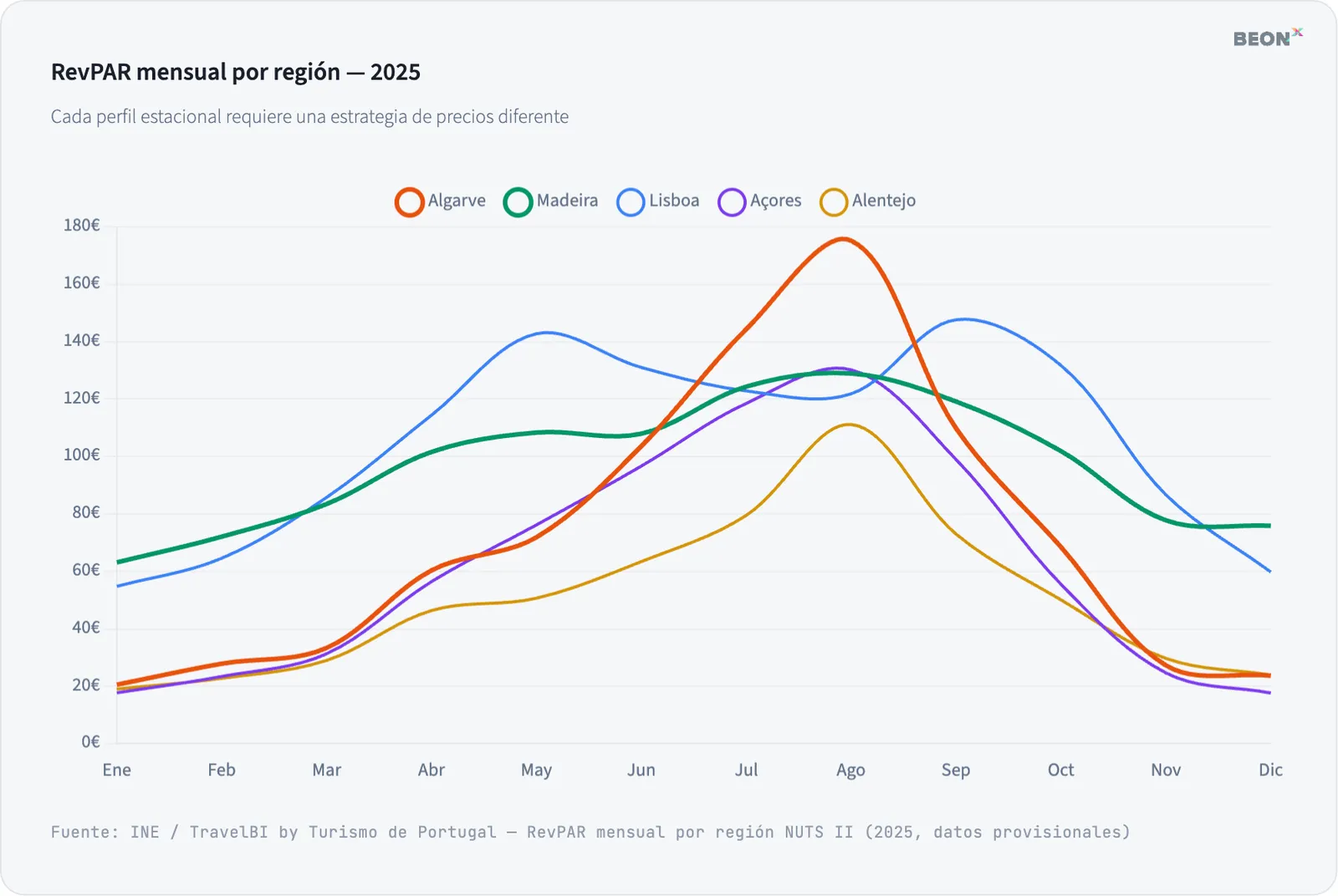
Growth that is losing momentum The hotel market in Portugal continues to break records year after year, but the data reveals a more nuanced reality, a RevPAR of €72.38, growth of +
Speak with one of our dedicated hotel experts and get started on your journey to sustainable profitability.
Other Articles

Learn how Lungarno Collection increased ADR by 5-10% and automated pricing strategies using BEONx AI-driven Revenue Management System.
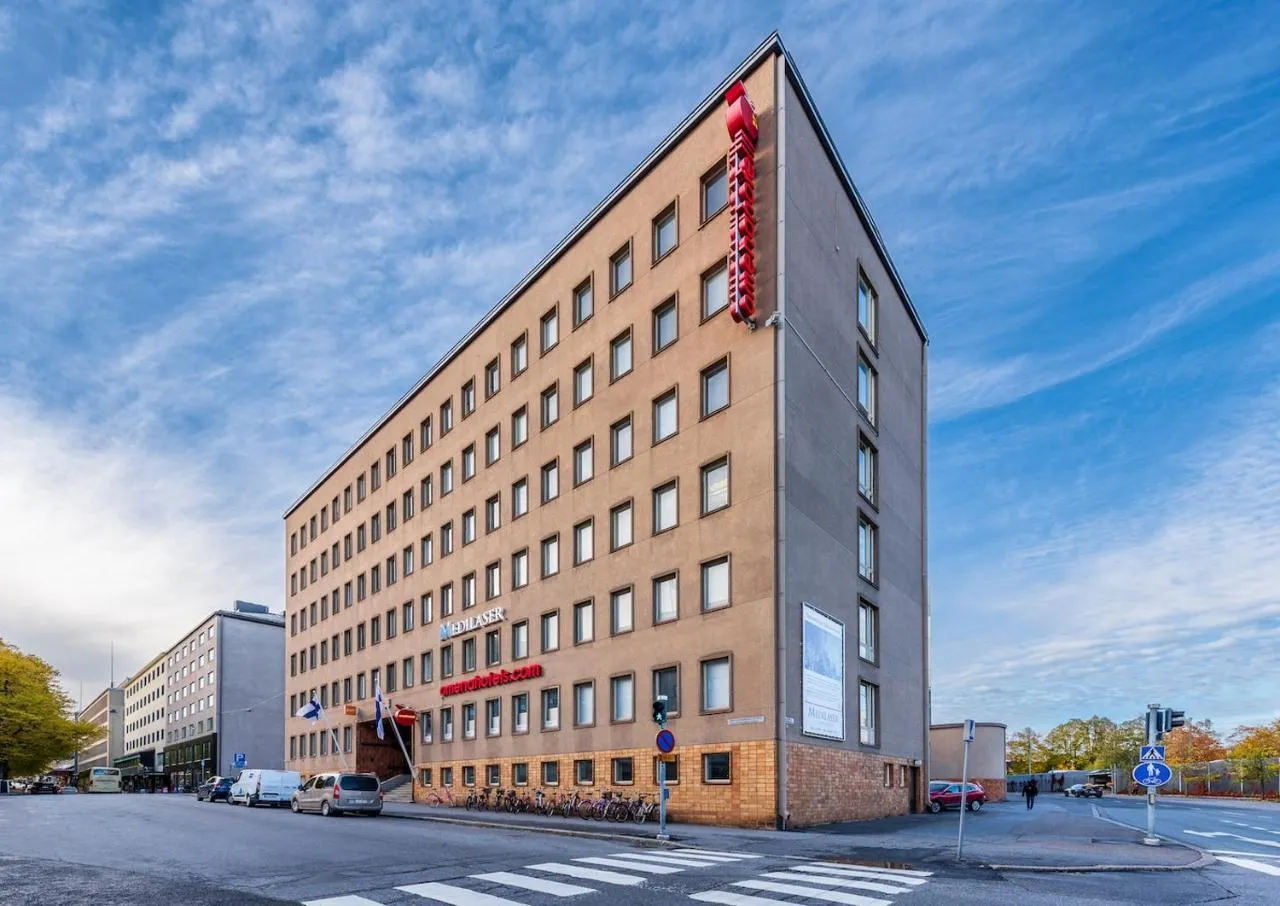
How Omena Hotels strengthened profitability and improved RevPAR through automation, forecasting and real-time pricing intelligence with BEONx.
Deloitte has announced the results of the latest edition of the “Deloitte Technology Fast 50 Programme,” the prestigious ranking that identifies the 50 most scalable technology com
Growth that is losing momentum The hotel market in Portugal continues to break records year after year, but the data reveals a more nuanced reality, a RevPAR of €72.38, growth of +
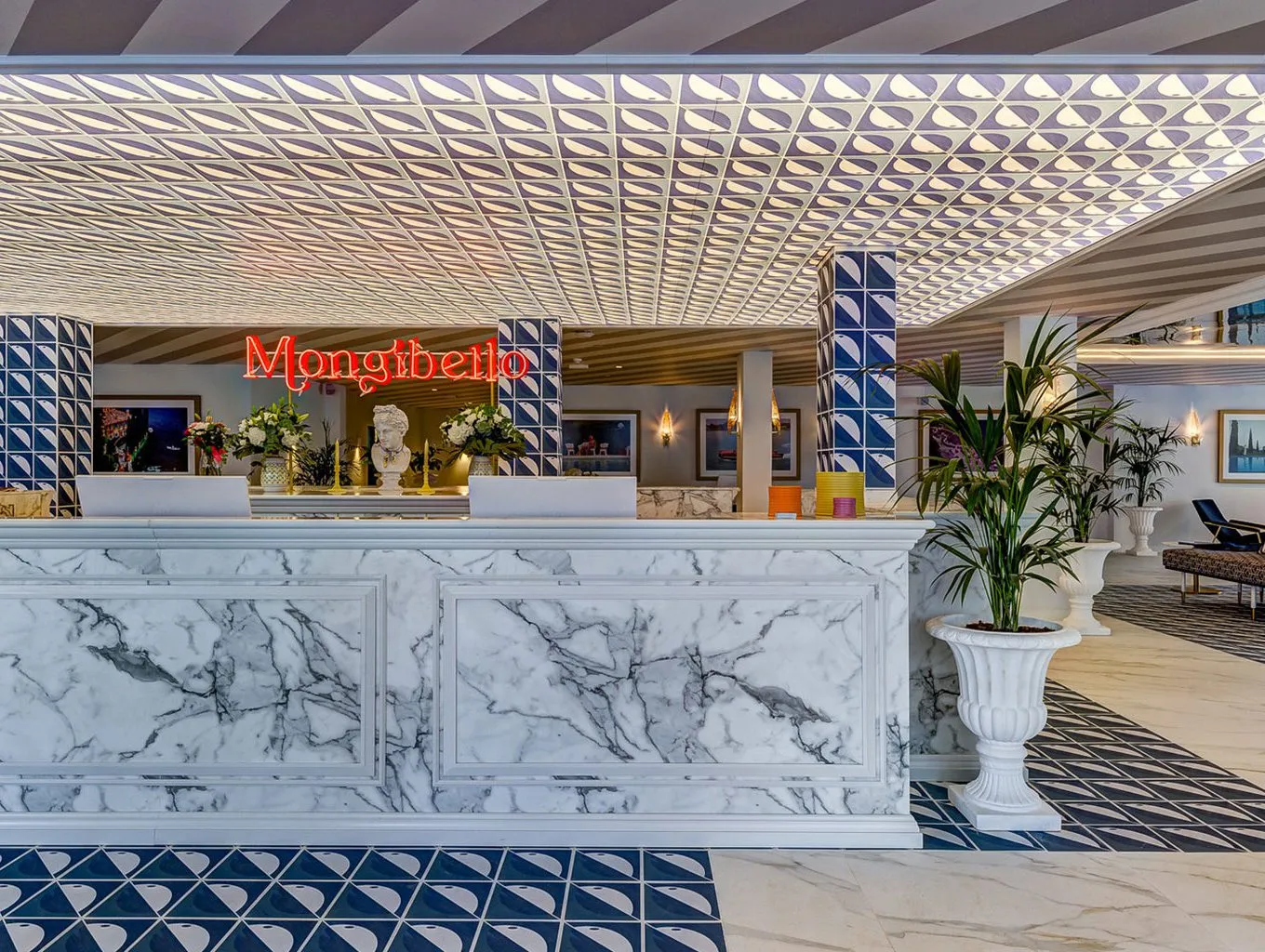
Concept Hotel Group boosts revenue performance with BEONx through automation, Smart Range, and data-driven decision-making.

From intuition to intelligence: how Kora Living achieved 20% RevPAR growth and built a smarter, data-driven revenue strategy with BEONx.

Colombia’s hotel industry is evolving fast. Learn how to anticipate demand, use AI to optimize pricing, and compete on value rather than price. A vision of the future of revenue management from BEONx, Lighthouse, and CloudBeds.

On September 15–16, 2025, BEONx participated in HSMAday 2025, held at the Maritim Hotel in Cologne. The event brought together over 500 professionals from the hospitality sector to

BEONx empowered Kali Hoteles team to move from reactive to proactive pricing strategies, detect market shifts early, and implement optimal pricing by room type—improving not just profitability but also internal collaboration and confidence. %

Redefine your pricing strategy with SmartRange by BEONx – the AI-powered model that stabilises rates, minimises volatility and boosts profitability beyond the compset.