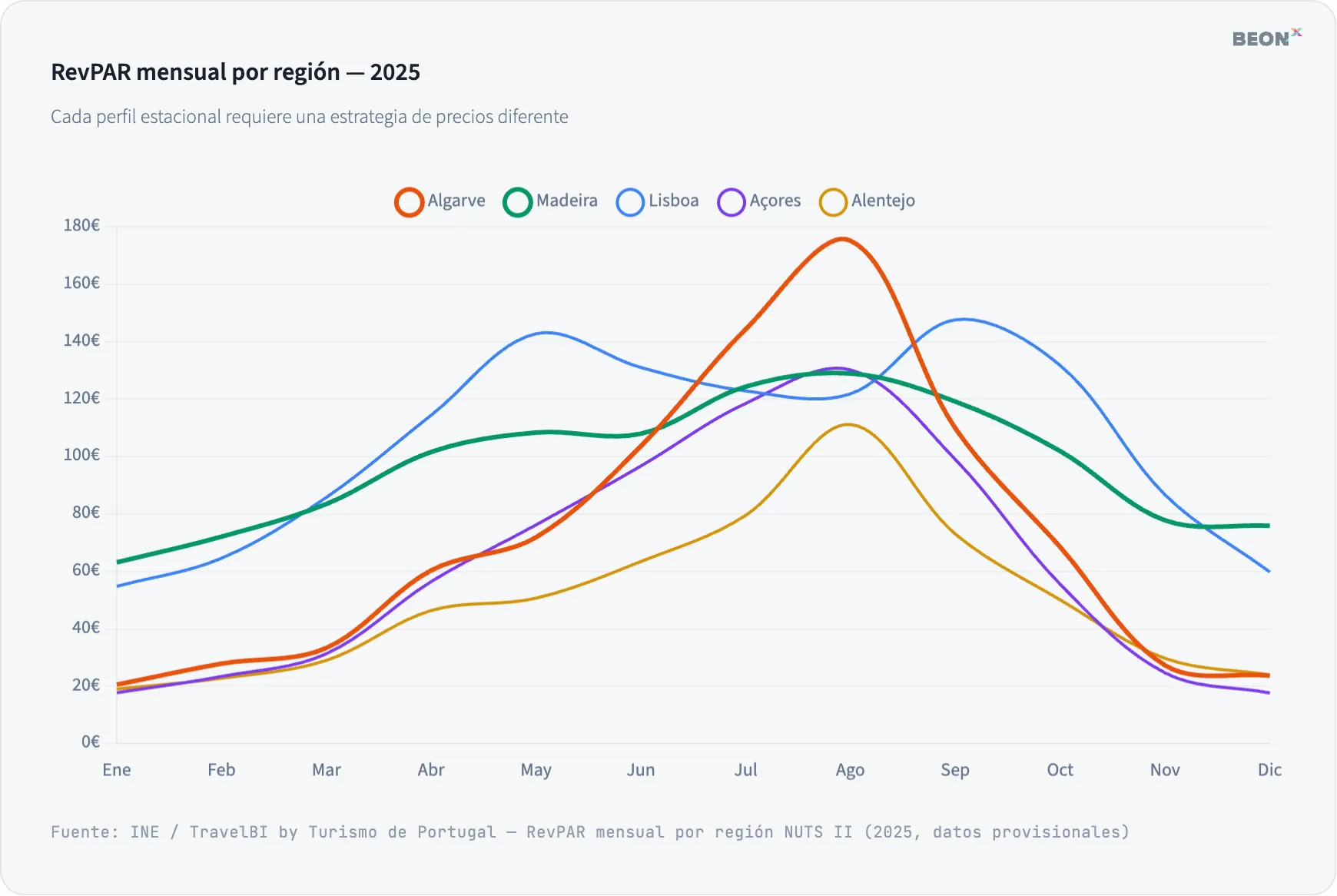
The Portuguese hotel market can no longer grow as it used to
Growth that is losing momentum The hotel market in Portugal continues to break records year after year, but the data reveals a more nuanced reality, a RevPAR of €72.38, growth of +


Pricing · Revenue Management
As a hotelier, it’s vital that you understand the concept of willingness to pay as it helps you identify the value that guests place on your rooms and services. You can then use th
As a hotelier, it’s vital that you understand the concept of willingness to pay as it helps you identify the value that guests place on your rooms and services. You can then use this information to determine pricing strategies that reassure customers that they are getting value for their money, whilst still ensuring that you make a profit.
With this concept in mind, we have created a short guide to help you maximise profitability by measuring willingness to pay.
Download the Total Profit Checklist now and become the revenue superhero!

The concept of willingness to pay (WTP) relates to how much a customer is prepared to pay for a product or service. In the hotel industry, this means how much guests are prepared to pay for a room and for each of your ancillary services.
As a hotel revenue manager, it’s essential that you understand this metric as it enables you to set optimal prices that are attractive to guests whilst still generating enough revenue to cover operational costs and maximise profits. If your rates are too low, then you won’t generate enough income to grow your business, but if you charge too much then you risk sending potential guests to your competitors. Moreover, understanding this metric also enables you to personalise your services so that they meet customer needs and expectations.
It’s also important to note that willingness to pay isn’t a fixed metric. You will usually find that each of your specific guest segments has a unique willingness to pay scale. For example, age, gender, income, education, and geographic location will all impact how much a guest is willing to pay. Moreover, willingness to pay can also fluctuate depending on external factors including economic climate, seasonal and market trends, and competitor value. That’s why it’s so important to track this metric on a regular basis so that you can continuously adapt your pricing strategies accordingly.
As we mentioned above, the best way to maximise profitability in your hotel is by conducting a regular willingness-to-pay analysis. This will help you determine the maximum price that customers are willing to pay for each product and service that you offer. That way, you can set your prices at a level that enables you to maximise profits and boost customer satisfaction.
So, what does a willingness-to-pay analysis involve?
Let’s find out.
The first step in determining willingness to pay is conducting thorough market research. This is important because one of the biggest factors influencing what a guest is prepared to pay is market demand. In other words, the more people want a product or service that you are selling, the more they will be willing to pay for it.
How much do similar hotels in your area charge for their rooms and services? Take a look at their online reviews: Do guests seem happy with the quality they receive compared to the price that they pay? What about your own hotel’s online reviews? Do guests express satisfaction with the quality and level of personalisation that they receive? How often do they mention your rates? Are they happy with them?
You should conduct this type of market research on a regular basis so that you can determine how sentiment fluctuates in line with external factors such as economic climate, seasonal and market trends, and competitive value. Also, try to break down your findings by your different guest segments so that you get a clearer idea of how much each customer profile is willing to pay.
Finally, it’s also a good idea to share regular customer surveys to find out if your guests were happy with their stay and if they felt they got quality for their money. Does feedback suggest that they would be willing to pay more for what they experienced? Or do they feel that they overpaid?
The second essential factor that you need to consider when you conduct your willingness-to-pay analysis is the quality and performance of your hotel. After all, if you are not offering quality, then you can’t expect guests to pay a premium for your rooms and services.
Start with performance. One of the best ways to secure revenue growth in your hotel is by monitoring your performance KPIs. This includes your occupancy rates, repeat customer rates, and ARPA (average revenue per account). It’s also essential that you regularly track customer loyalty rates as well as how much each guest spends during their stay (room rate plus add-ons and ancillary services).
The final step in the process is measuring the quality of your hotel. BEONx’s revenue management solution includes a pioneering feature that can help with this. Our unique Hotel Quality Index (HQI™) uses machine learning algorithms to measure the overall quality and performance of your hotel by taking into account important factors including pricing, reputation, availability, and demand. This can help you determine your hotel’s perceived level of quality so that you can adjust your prices in line with guest expectations and competitor pricing. You can also uncover valuable feedback that can help you continuously enhance your guest experience. And the more exceptional your guest experience is, the more customers will be willing to pay for your rooms and services.
Growth that is losing momentum The hotel market in Portugal continues to break records year after year, but the data reveals a more nuanced reality, a RevPAR of €72.38, growth of +

Discover how AI transforms revenue management beyond pricing, segment analysis and channel mix. Boost profitability with BEONx. Read more here!

Maximize hotel revenue and balance occupancy by integrating a tour operator module into your RMS, optimizing pricing and strategic decisions.
Speak with one of our dedicated hotel experts and get started on your journey to sustainable profitability.
Other Articles

Learn how Lungarno Collection increased ADR by 5-10% and automated pricing strategies using BEONx AI-driven Revenue Management System.
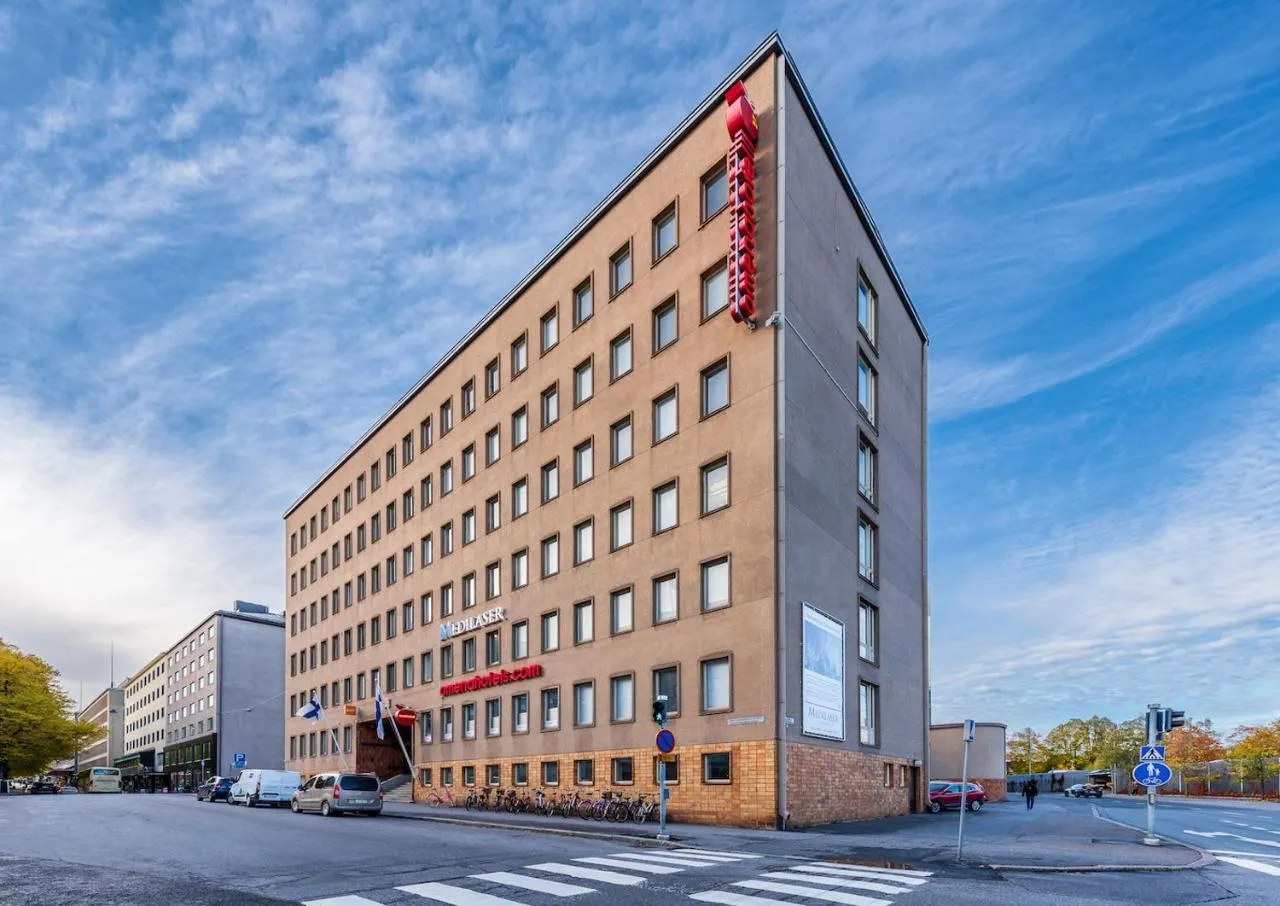
How Omena Hotels strengthened profitability and improved RevPAR through automation, forecasting and real-time pricing intelligence with BEONx.

Deloitte has announced the results of the latest edition of the “Deloitte Technology Fast 50 Programme,” the prestigious ranking that identifies the 50 most scalable technology com
Growth that is losing momentum The hotel market in Portugal continues to break records year after year, but the data reveals a more nuanced reality, a RevPAR of €72.38, growth of +
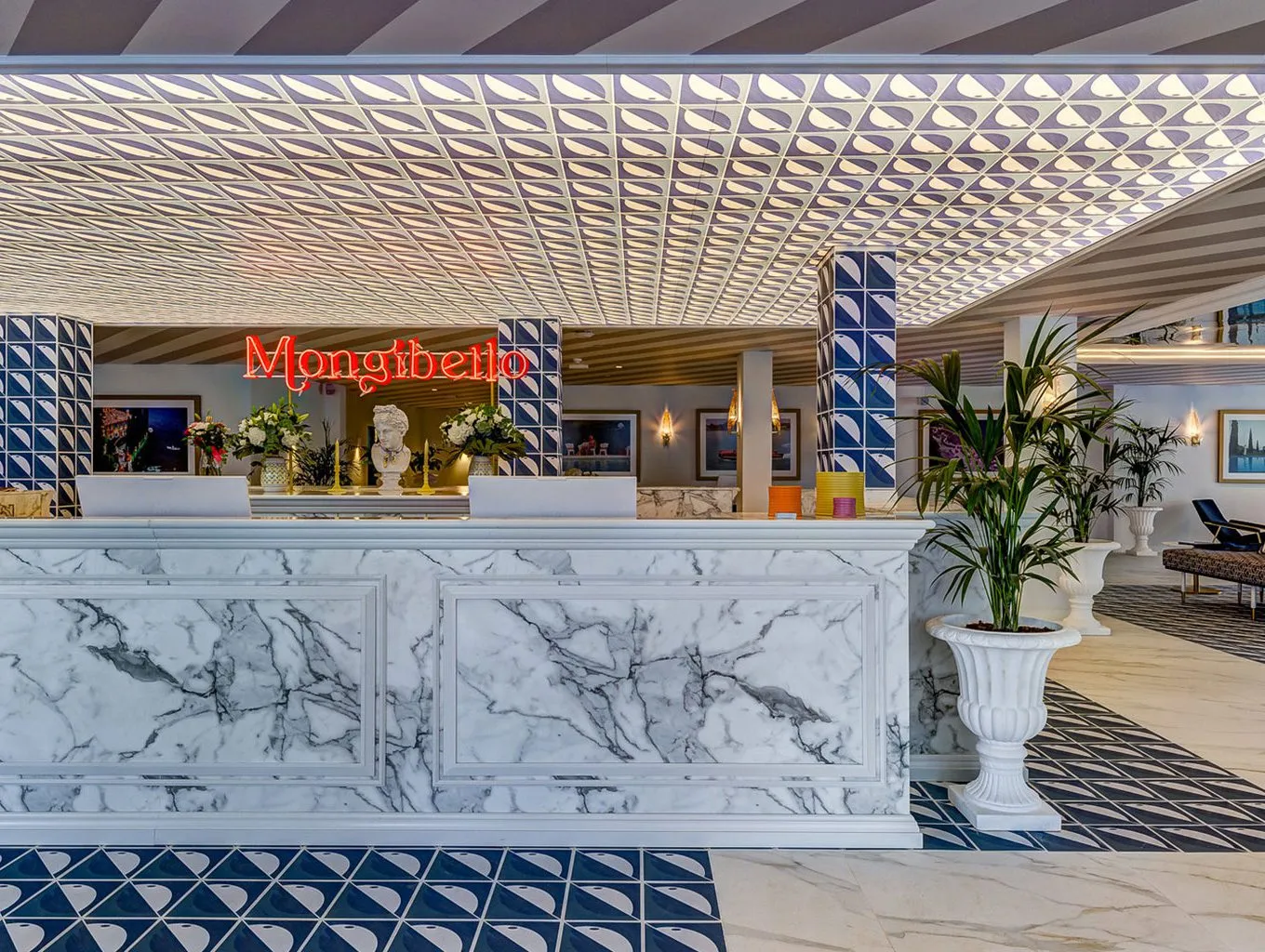
Concept Hotel Group boosts revenue performance with BEONx through automation, Smart Range, and data-driven decision-making.
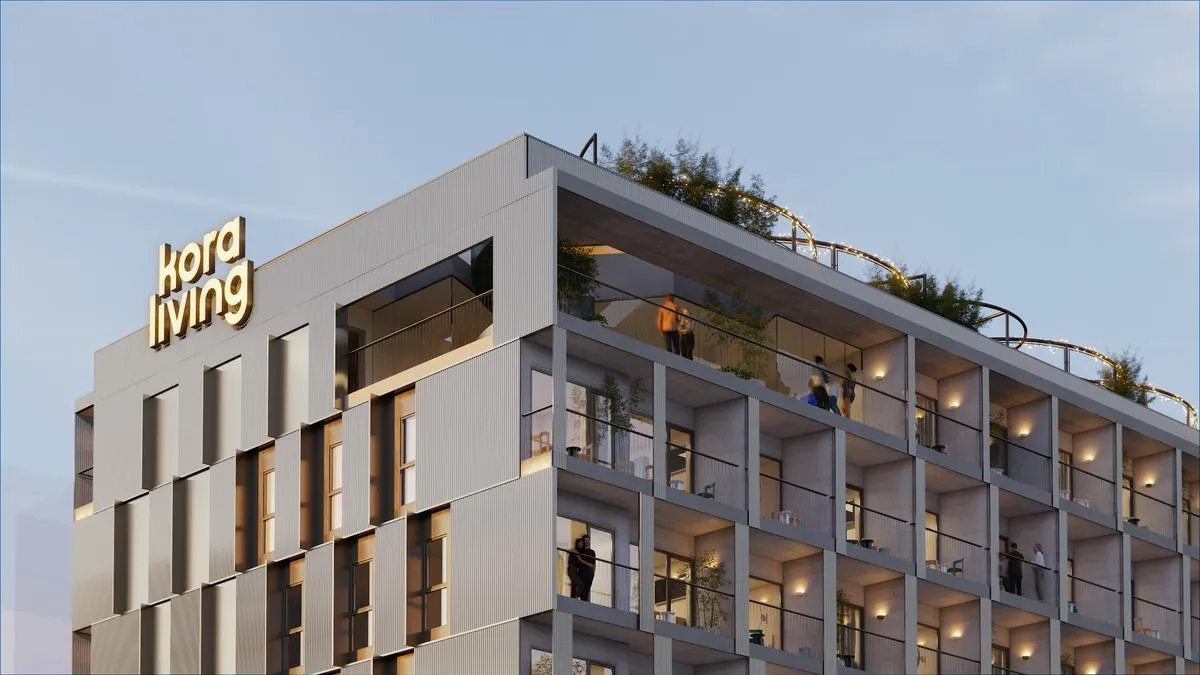
From intuition to intelligence: how Kora Living achieved 20% RevPAR growth and built a smarter, data-driven revenue strategy with BEONx.

Colombia’s hotel industry is evolving fast. Learn how to anticipate demand, use AI to optimize pricing, and compete on value rather than price. A vision of the future of revenue management from BEONx, Lighthouse, and CloudBeds.

On September 15–16, 2025, BEONx participated in HSMAday 2025, held at the Maritim Hotel in Cologne. The event brought together over 500 professionals from the hospitality sector to

BEONx empowered Kali Hoteles team to move from reactive to proactive pricing strategies, detect market shifts early, and implement optimal pricing by room type—improving not just profitability but also internal collaboration and confidence. %

Redefine your pricing strategy with SmartRange by BEONx – the AI-powered model that stabilises rates, minimises volatility and boosts profitability beyond the compset.