
Beyond Pricing: Maximise Hotel Revenue with AI
Discover how AI transforms revenue management beyond pricing, segment analysis and channel mix. Boost profitability with BEONx. Read more here!


Forecasting · Revenue Management
Hoteliers will need to work on forecasting their daily demand by market segment.
The clearer the image of the demand for our offer, the easier it will be to prepare many of the operational phases of the accommodation, all the way from the reception staff to the Marketing or Revenue Management Department.
Predicting demand allows us to identify needs and build a strategy based on a projection of occupancy. Demand forecasting is a complex discipline and, at times, it will inevitably overwhelm us, since there are many factors that affect this analysis. Similarly, if the accommodation is clear about its objectives at an occupancy level, and the speed at which rooms fill up, this work will prove very motivating. A clear example would be an important event in our area of influence, with its respective increase in new guests. This will help us understand possible price changes and thus maximize revenue.
Hoteliers can and must start to build daily demand forecasts by market segment. We, at BEONx offer you 5 tips on which to base your demand forecasting strategy and thus predict the expected demand for your accommodation:
Use appropriate data. A forecast can be as simple or as complex as the precision that we are willing to implement when taking our decision. We can proceed from an approach based on our own previous experience using complex mathematical algorithms. The first analysis to make a reliable forecast is usually based on historical data on occupation rates and income from previous years. The most important pieces of information to bear in mind are the reservation date, the rate code, the arrival date, the departure date, and the income per day. As an additional way of optimizing results, we can expand our database by extracting data at the market level, taking information such as demand for future flights, weather reports and geographic data (e.g. where bookings come from at specific times of year). While the latter source of forecast data is more complex, it will nonetheless improve our understanding of market movements.
Segment your forecasts. It is important to carry out a separate analysis of the results for the different segments or traveler types that we have established, be groups of elderly people, schools or families with children, just to give a few examples. We must take them into account independently before superimposing them in our analysis. These segments can be crossed with the different events on which our hotel can be interesting in analyzing booking dates, days of stay, spending levels, etc. If you can segment by clearly defined groups and shared booking behaviors, forecasts will be more accurate and actionable. On the other hand, making subgroups within the segments for selected channels will allow us to have a relevant factor and an important cost for the hotel.
Monitor the web. The task of tracking purchase behavior on a hotel website can be a very complex one, but it can provide valuable information about current and even future demand. Current analytical tools allow us to analyze arrival times on the web and, therefore, have proof of how relevant our website is when it comes to last-minute reservations or early bookings. Seeing which sections or offers on the web are most interesting in terms of traffic volume, and which parts of the web are being neglected, will be important factors when establishing an idea of the user profile that visits our website. On the other hand, if we know what a potential or current client is looking for on our website, we can mold future versions or make decisions based on traveler perception.
Monitor the calendar of future events. Planning events in a hotel’s area of influence is a mandatory task for the Revenue Management Department. The ability to make forecasts before important events such as New Year or Holy Week, or nearby sporting events, will allow us to make decisions in advance and focus our commercial strength. The key to this factor lies in better understanding how these events will affect the market and in assigning them a numerical value. Using historical data to obtain a clearer picture of these events function and investigating new variables will be prove essential when attempting offering a really useful analysis. When looking at past events we must pay attention to the booking rate in order to adapt our strategy and anticipate demand.
Know your competitors. Build the competitive set by identifying nearby hotels of similar size that operate in an equivalent market segment and have similar prices, or even have notes in similar online reputation portals. The main point to bear in mind, and one that we should never lose sight of, is the price. RMS (Revenue Management System) tools as BEONx allow to analyze in real time and with a great level of detail the rates of our competitive set. In addition, its use allows an in-depth analysis of competitors’ prices on their different channels where it is distributed, both on the hosting website and in OTAs or metasearch engines. In this way, the distribution of our competitors facilitates our understanding of the market and allows us to act accordingly.
Discover how AI transforms revenue management beyond pricing, segment analysis and channel mix. Boost profitability with BEONx. Read more here!

Discover how artificial intelligence is transforming hotel revenue management, without falling into unrealistic expectations. Data and strategies based on industry reports.

Maximize hotel revenue and balance occupancy by integrating a tour operator module into your RMS, optimizing pricing and strategic decisions.
Speak with one of our dedicated hotel experts and get started on your journey to sustainable profitability.
Other Articles

Learn how Lungarno Collection increased ADR by 5-10% and automated pricing strategies using BEONx AI-driven Revenue Management System.
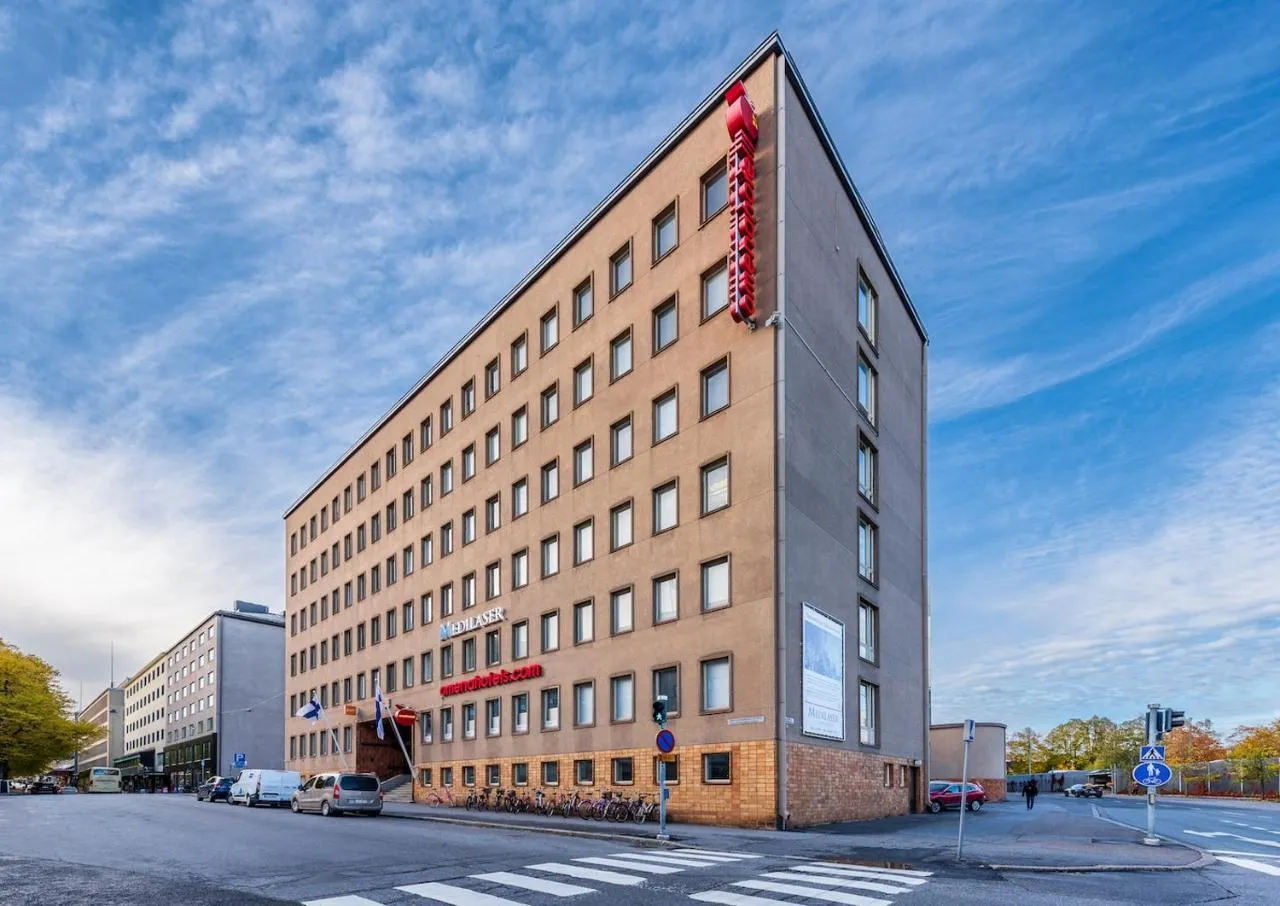
How Omena Hotels strengthened profitability and improved RevPAR through automation, forecasting and real-time pricing intelligence with BEONx.

Deloitte has announced the results of the latest edition of the “Deloitte Technology Fast 50 Programme,” the prestigious ranking that identifies the 50 most scalable technology com
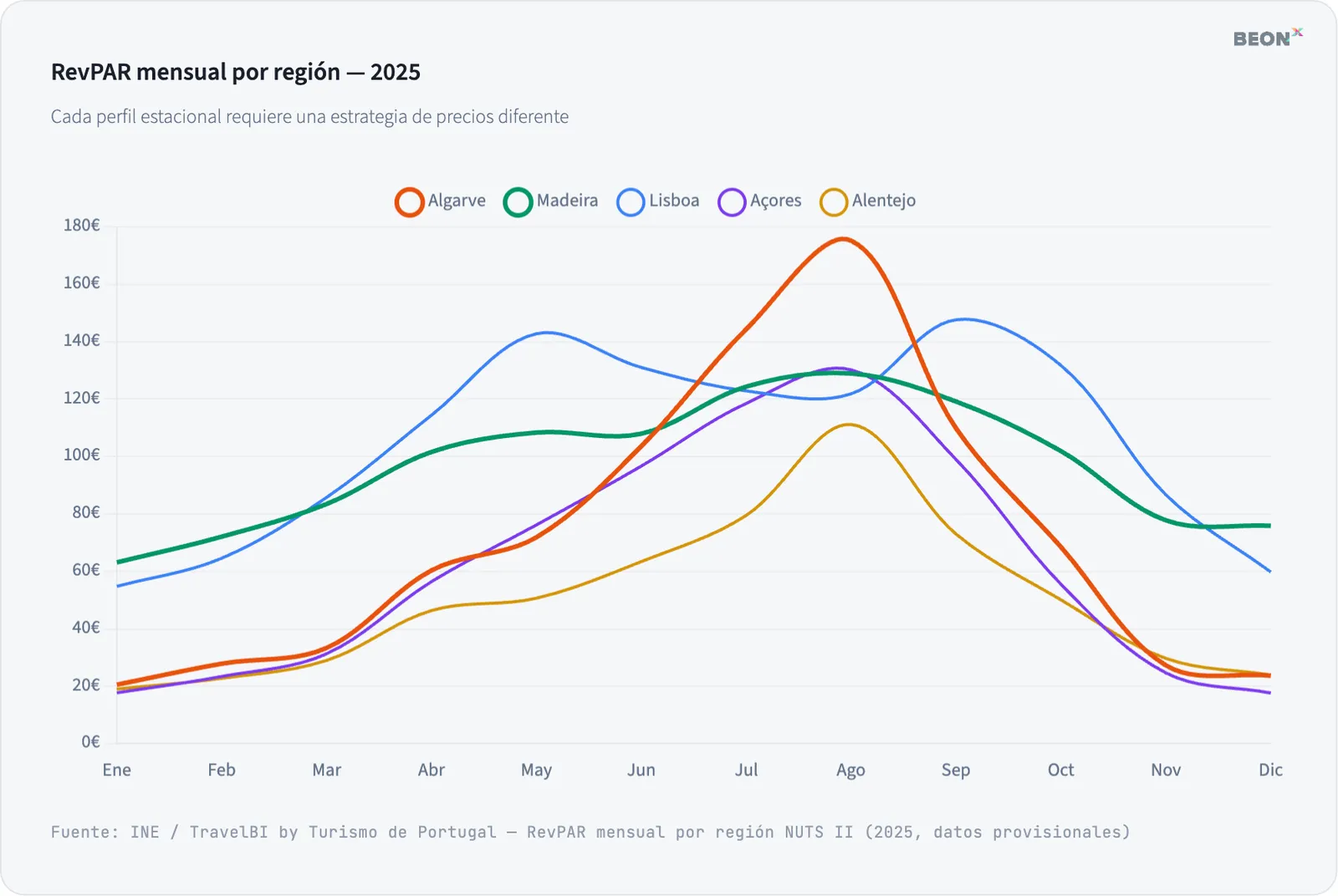
Growth that is losing momentum The hotel market in Portugal continues to break records year after year, but the data reveals a more nuanced reality, a RevPAR of €72.38, growth of +
Concept Hotel Group boosts revenue performance with BEONx through automation, Smart Range, and data-driven decision-making.

From intuition to intelligence: how Kora Living achieved 20% RevPAR growth and built a smarter, data-driven revenue strategy with BEONx.

Colombia’s hotel industry is evolving fast. Learn how to anticipate demand, use AI to optimize pricing, and compete on value rather than price. A vision of the future of revenue management from BEONx, Lighthouse, and CloudBeds.
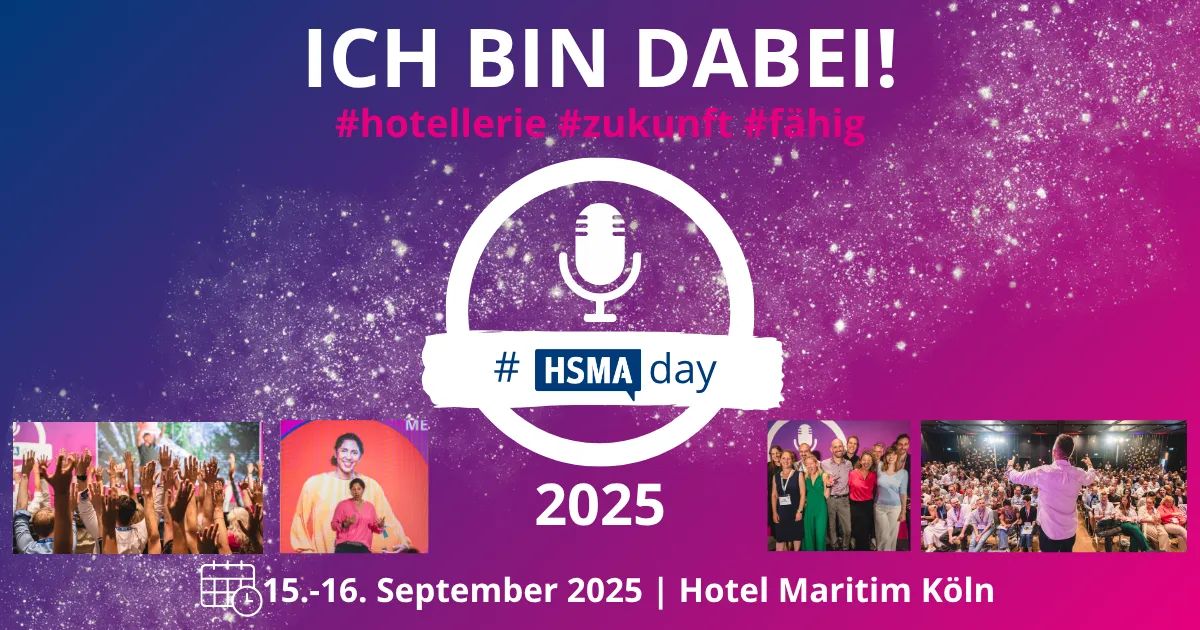
On September 15–16, 2025, BEONx participated in HSMAday 2025, held at the Maritim Hotel in Cologne. The event brought together over 500 professionals from the hospitality sector to

BEONx empowered Kali Hoteles team to move from reactive to proactive pricing strategies, detect market shifts early, and implement optimal pricing by room type—improving not just profitability but also internal collaboration and confidence. %

Redefine your pricing strategy with SmartRange by BEONx – the AI-powered model that stabilises rates, minimises volatility and boosts profitability beyond the compset.