
Beyond Pricing: Maximise Hotel Revenue with AI
Discover how AI transforms revenue management beyond pricing, segment analysis and channel mix. Boost profitability with BEONx. Read more here!


Distribution · Revenue Management
5 things to evaluate about your business brand online to reach Millennials and increase direct bookings.
According to WTO (World Tourism Organisation) it is estimated that the Millennials (people aged between 19 and 33) represent 20% of all travellers, of whom only 10% use traditional travel agents. Price is the most important variable for them, following by the opinions of other travellers and internet connectivity. Dynamic pricing strategies therefore become indispensable in order to balance out the perception of our product among Millennials. One of the keys to working with a strategy that enables sales is to optimise CPA (Cost per Acquisition) as much as possible. This will obtain maximum profitability for each booking and enable us to compete with an attractive price while maintaining quality.
Have an attractive online presence for this traveler profile.
The path to increased direct bookings begins with a strong online presence. 90% of millennials are daily online (according to the Google consumer barometer) and their decisions are made based on the information they collect from the Internet. A number of key aspects will therefore need to be taken into account:
Website care**.** Fast, intuitive connection between website and product. Differentiating factors include keeping an updated website, and careful design and photography to make it practical, easy and visually attractive.
Social media. Taking advantage of communication to handle customer needs in real time and learn about the weaknesses of your establishment. Guest will trust you if your response on social media is fast and friendly.
Intermediation channels. We must not dismiss this route. Planning of presence on certain channels that generate greater return on investment. To take care of the image, the parity of prices and the availability to fulfill the objective of directing traffic to our direct channels. The online presence must be professionalized.
Organic search positioning. According to the Google barometer55% of users turn to search engines to research a product. If our user uses Google as their search engine we must become familiar with the concept of SEO. Under this concept, and despite the wide range of theories on positioning, it is advisable to bear 2 key factors in mind:
100% mobile online presence. According to the Google Barometer, an estimated 75% of these Millennials access the internet on a smart phone. Furthermore, the company Net Affinity states that 25% of bookings in this segment are made via mobile phone. Therefore, it is not only necessary for the web to work properly on mobile telephones but there must also be harmony between presence through smartphones and any other type of device. In addition, the entire booking process and support of the product through content must be compatible with these devices. Another determining factor is the phenomenon of the voice searching, content associated with potential voice searches or personal assistants, and this will be a key element as we enter 2017.
Generación de contenido de calidad en formato video. El uso del formato audiovisual como forma de entretener, informar y conectar con clientes potenciales se consolida a medida que las líneas de datos se hacen más potentes. YouTube es un canal social estrella para la generación del milenio, incluso uno de los más importantes a nivel búsqueda de información. Según Google, el 40% de los millennials utilizan Youtube al menos una vez al día. En una investigación realizada por Ipsos for Google se extrajo la afirmación de que el concepto “micro-momentos” está siendo la piedra angular de la nueva venta online. Para el sector viajes, estos momentos se enmarcan en 4 grandes categorías: Quiero saber, quiero hacer, quiero ir y me quieren comprar. De esta forma vemos que es determinante aparecer en estos 4 momentos sin romper la armonía dentro de la navegación del potencial viajero.
Presence on social networks. Millennials are used to sharing information that they find interesting on other social networks. They do so with more confidence and more often than any other generation. According to Google, at least 50% interacts on social networks at least once a day. Authenticity and immediacy are determining factors for integrating social media into the establishment’s basic actions. The main social networks are:
Instagram. This social network is a great bet for hotels as they can visually display their facilities. At the same time, interaction with the traveller and even replicating users’ content on certain #tags is interesting and a good opportunity. We should reinforce and make the most of the description and link in the biography as at the moment this is the only thing (apart from advertising) that Instagram allows you to include.
Twitter. Used mainly for real time communication, this allows us to pick up on chats about the destination and take part in threads using hashtags, which humanises the establishment as a brand.
Given the reduction in its organic visibility, Facebook is a good tool for advertising via Facebook Ads and thus obtain segmented traffic at a good price.
Snapchat. Above all for branding and because of its 110 million + users, 45% of whom are aged between 18 and 24. Being able to reach out naturally or provide content of interest to this audience is a positive step towards increasing future bookings, or simply gaining empathy with the Millennials.
Today, we can see how social media has infiltrated our daily routine, providing greater agility and ease in communicating with others. This has aroused a great deal of interest from various sectors such as the hotel industry. Based on these premises, you can now begin to boost your efforts to attract these present and future travellers.
Discover how AI transforms revenue management beyond pricing, segment analysis and channel mix. Boost profitability with BEONx. Read more here!

Maximize hotel revenue and balance occupancy by integrating a tour operator module into your RMS, optimizing pricing and strategic decisions.

Discover four key trends and expert tips to optimize hotel revenue strategies in 2024, leveraging AI, sustainability, personalization, and market data integration.
Speak with one of our dedicated hotel experts and get started on your journey to sustainable profitability.
Other Articles

Learn how Lungarno Collection increased ADR by 5-10% and automated pricing strategies using BEONx AI-driven Revenue Management System.
How Omena Hotels strengthened profitability and improved RevPAR through automation, forecasting and real-time pricing intelligence with BEONx.
Deloitte has announced the results of the latest edition of the “Deloitte Technology Fast 50 Programme,” the prestigious ranking that identifies the 50 most scalable technology com
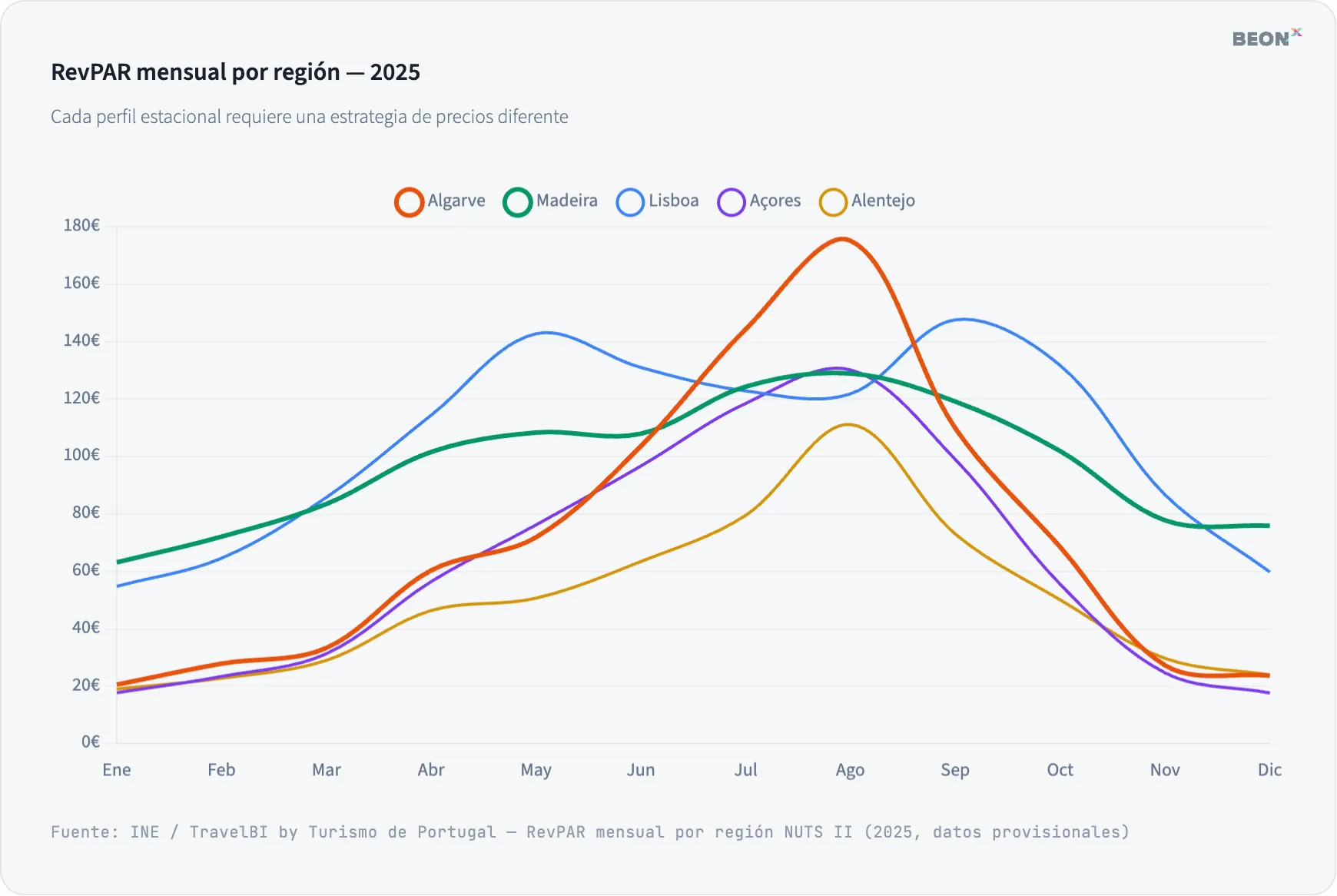
Growth that is losing momentum The hotel market in Portugal continues to break records year after year, but the data reveals a more nuanced reality, a RevPAR of €72.38, growth of +
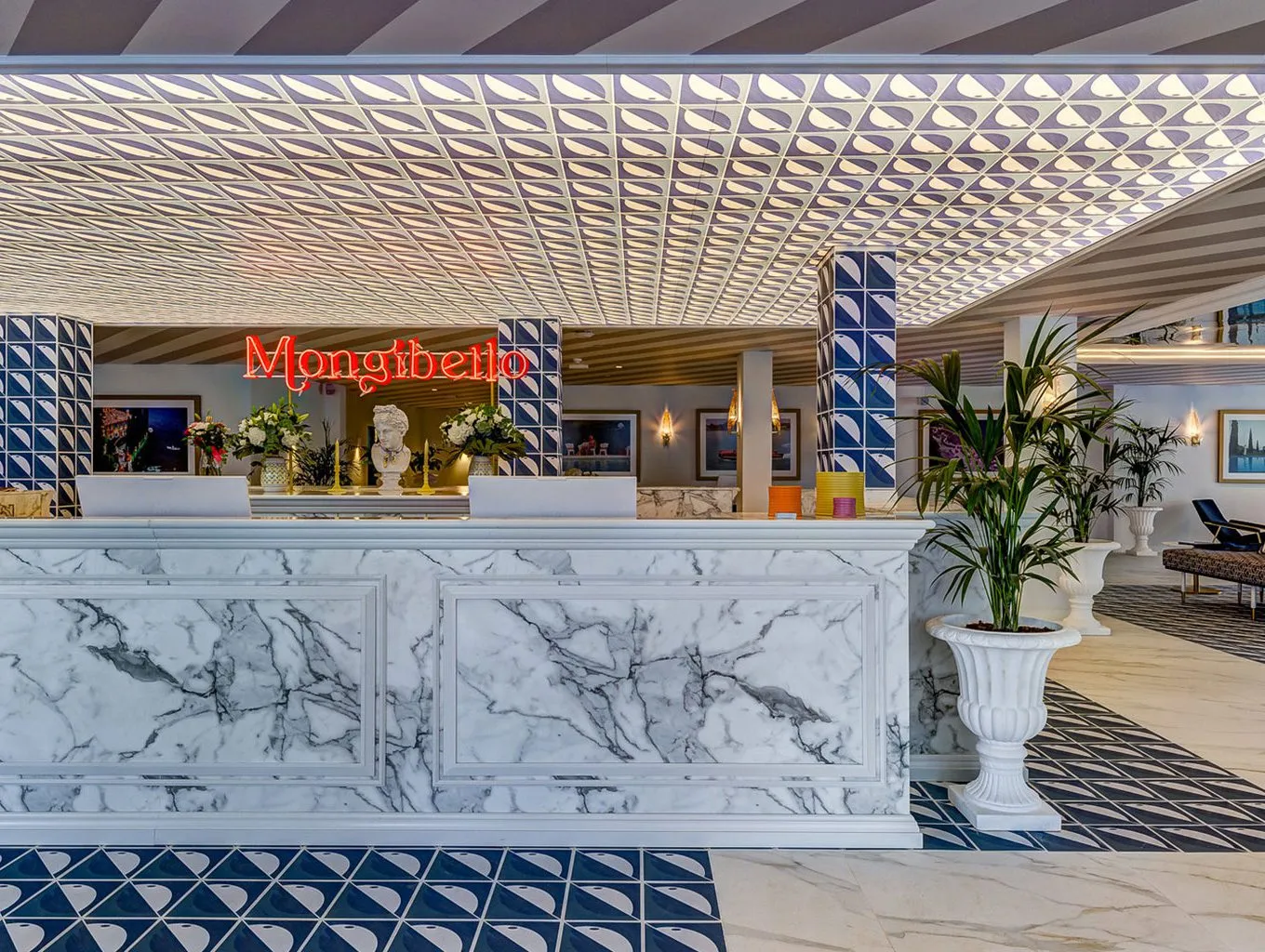
Concept Hotel Group boosts revenue performance with BEONx through automation, Smart Range, and data-driven decision-making.

From intuition to intelligence: how Kora Living achieved 20% RevPAR growth and built a smarter, data-driven revenue strategy with BEONx.

Colombia’s hotel industry is evolving fast. Learn how to anticipate demand, use AI to optimize pricing, and compete on value rather than price. A vision of the future of revenue management from BEONx, Lighthouse, and CloudBeds.
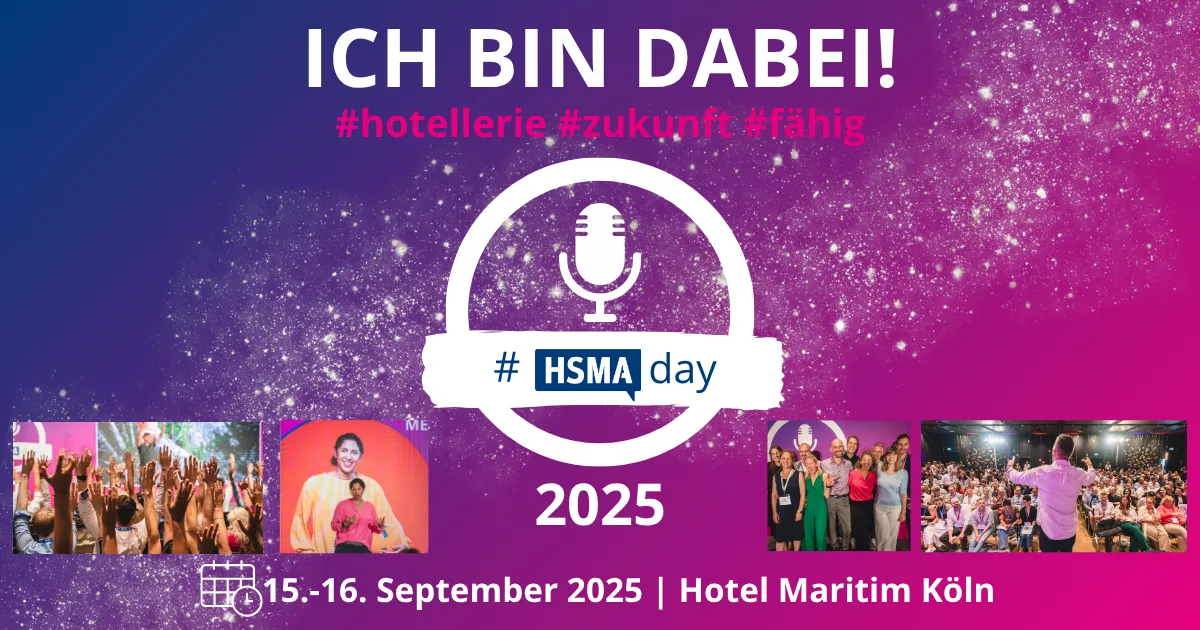
On September 15–16, 2025, BEONx participated in HSMAday 2025, held at the Maritim Hotel in Cologne. The event brought together over 500 professionals from the hospitality sector to

BEONx empowered Kali Hoteles team to move from reactive to proactive pricing strategies, detect market shifts early, and implement optimal pricing by room type—improving not just profitability but also internal collaboration and confidence. %

Redefine your pricing strategy with SmartRange by BEONx – the AI-powered model that stabilises rates, minimises volatility and boosts profitability beyond the compset.