
Beyond Pricing: Maximise Hotel Revenue with AI
Discover how AI transforms revenue management beyond pricing, segment analysis and channel mix. Boost profitability with BEONx. Read more here!


Forecasting · Revenue Management
5 things to watch out for when forecasting demand.

The ultimate goal of every revenue manager is to implement revenue management strategies and processes to optimize and maximize hotel revenue.
At first sight, it may seem like demand forecasting or unconstrained forecast are solely based on experience. Currently, however, revenue management systems help interpret historical data, forecast market demand and make recommendations based on your hotel’s situation. In a normal market, without factors that significantly impact demand, you don’t usually see great variations, although it’s still advisable to stay alert for any possible changes.
Here are 5 things to watch out for when forecasting demand:
1. Lack of booking rules.
A common mistake in demand forecasting is not having an adequate restriction policy. Unrestricted demand is the actual demand for your product regardless of your property’s natural limitations. In other words, distributing 100 rooms when you have 100 rooms is different than distributing 100 with 500 rooms. Regardless of the actual (or perceived) limitation, if you have a higher real demand, you can establish higher price points. This way you maximize revenue potential for the same number of rooms.
Revenue Managers tend to focus on forecasting demand by instinct (and use, for example, the number of rooms available).
This way of working may be good for operational forecasts, but if the visibility of the overall demand opportunity is limited, the ability to maximize revenue is also limited.
2. Not enough data to support a segmentation strategy.
Today, it’s a winning bet to segment and personalize products and be backed by the right data and technology. Take advantage of the information generated by your RMS to determine your most profitable guests, help you personalize your product and determine the best channels to reach your customer mix.
If your hotel doesn’t use data, you’re jeopardizing your hotel’s bottom line. Having access to more accurate data, helps you recognize new business paths and identify changes you need to make.
3. Imbalance between historical data and current demand conditions.
Historical demand data can be used to establish a baseline for forecasting future demand. However, historical data is not always the best indicator of final demand. In other words, if you only consider what happened the previous year and neglect everything that is taking place in the current market, your demand forecast will be incomplete.
Machine learning uses both historical and current data to make predictions, organize content, and learn from data. For example, it’s important to give more weight to historical data for long-term forecasts since short-term forecasts are strongly conditioned by the current market.
4. Declines in booking pace.
There are many factors (economic, social, climate, etc. ) that can affect demand forecasts. These factors could be circumstantial or a more profound trend change. Technology directly influences consumer habits in a very important way. One example is mobile bookings, which are usually booked close to the check-in date or on the same day. The immediacy of mobile devices reduces the need for planning ahead for activities or booking in advance, hence an increase in last minute bookings.
5. Inability to manage alternative punctual demand flows.
Current demand is characterized by travelers who stay at your hotel during significant events. The information provided by this traveler may or may not mean something. However, it could also mean that you may have a repeat guest if this event is likely to be repeated regularly in the future.
Each customer segment (also called demand flows) has its own booking behavior and, probably even, its own product and rate. Your hotel’s ability to adapt to changes will help you stay competitive.
Revenue management is a both an art and science. You must be able to accurately interpret market situations and make quick and efficient decisions. The key t
o optimizing resources and revenue opportunities is to leverage and distribute demand without restrictions and minimize losses of sales opportunities.
Discover how AI transforms revenue management beyond pricing, segment analysis and channel mix. Boost profitability with BEONx. Read more here!

Discover how artificial intelligence is transforming hotel revenue management, without falling into unrealistic expectations. Data and strategies based on industry reports.

Maximize hotel revenue and balance occupancy by integrating a tour operator module into your RMS, optimizing pricing and strategic decisions.
Speak with one of our dedicated hotel experts and get started on your journey to sustainable profitability.
Other Articles

Learn how Lungarno Collection increased ADR by 5-10% and automated pricing strategies using BEONx AI-driven Revenue Management System.
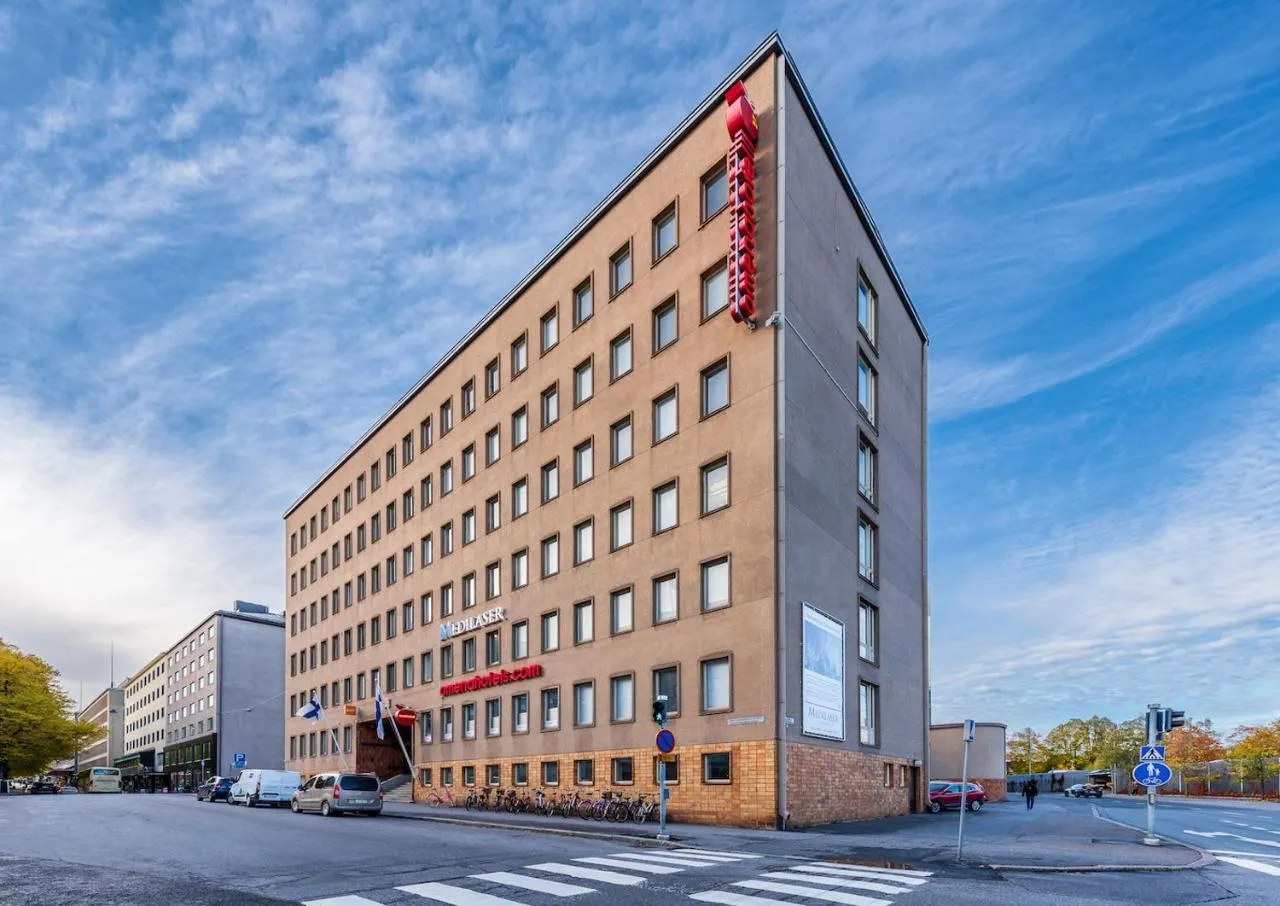
How Omena Hotels strengthened profitability and improved RevPAR through automation, forecasting and real-time pricing intelligence with BEONx.
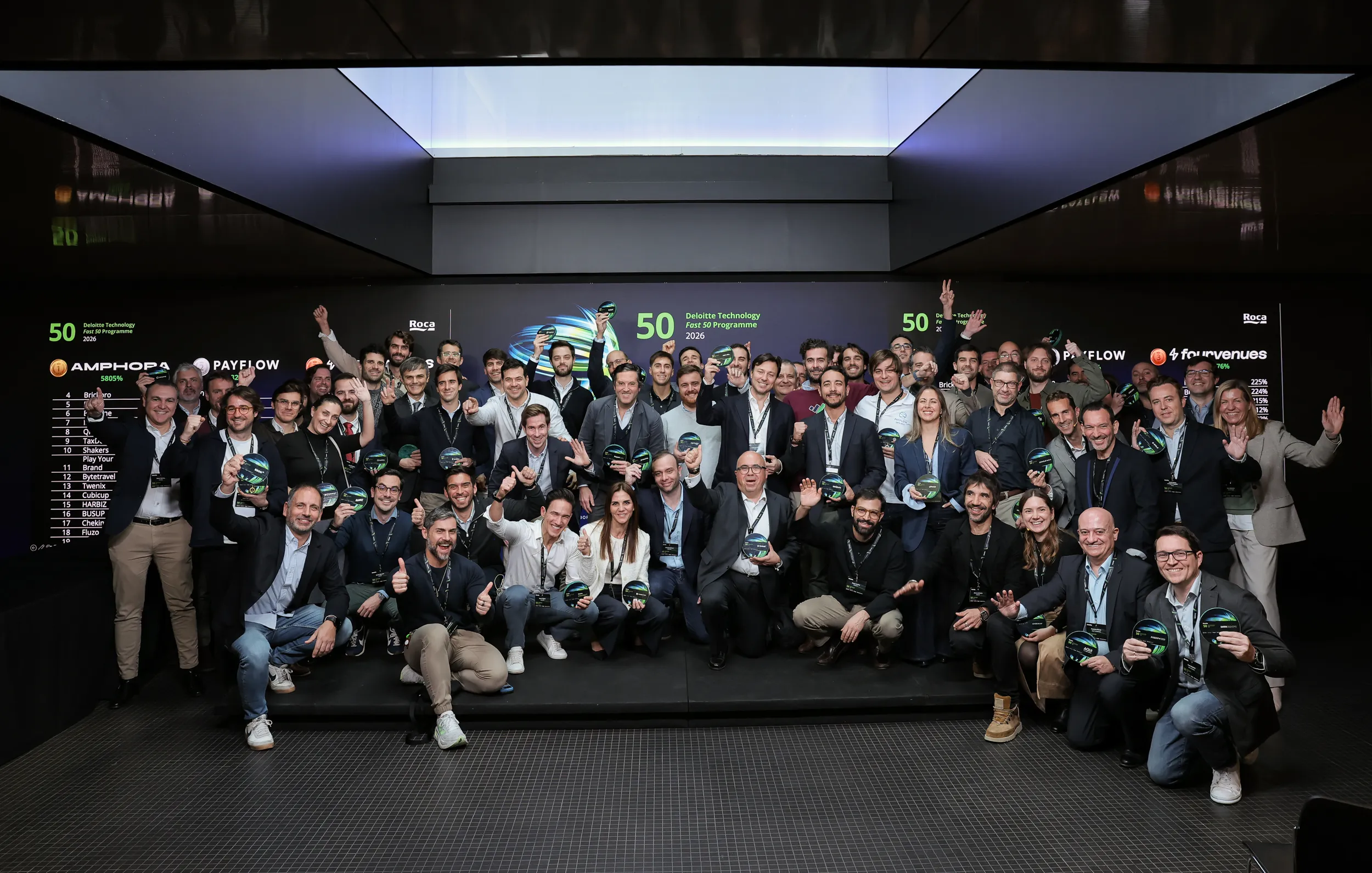
Deloitte has announced the results of the latest edition of the “Deloitte Technology Fast 50 Programme,” the prestigious ranking that identifies the 50 most scalable technology com
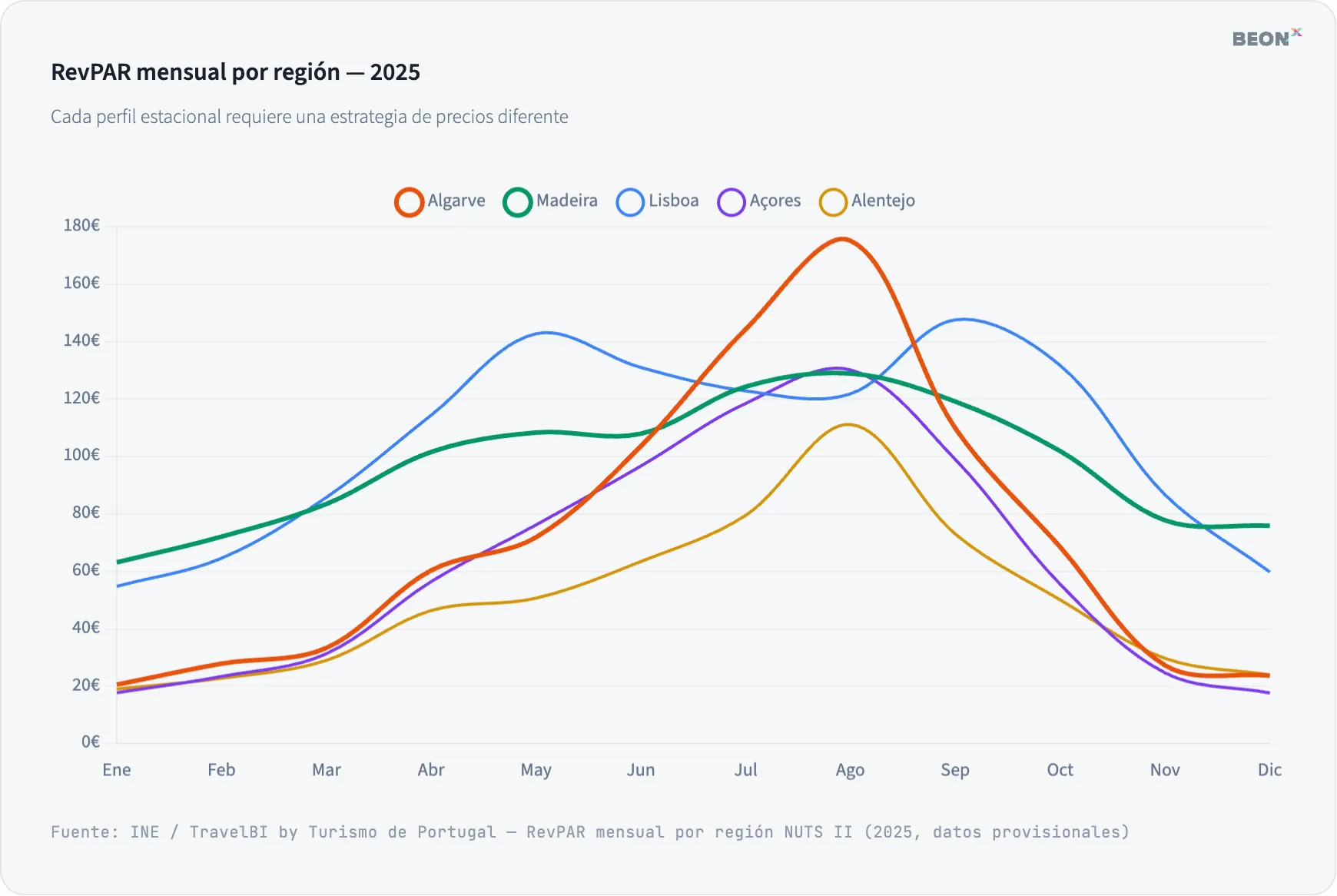
Growth that is losing momentum The hotel market in Portugal continues to break records year after year, but the data reveals a more nuanced reality, a RevPAR of €72.38, growth of +
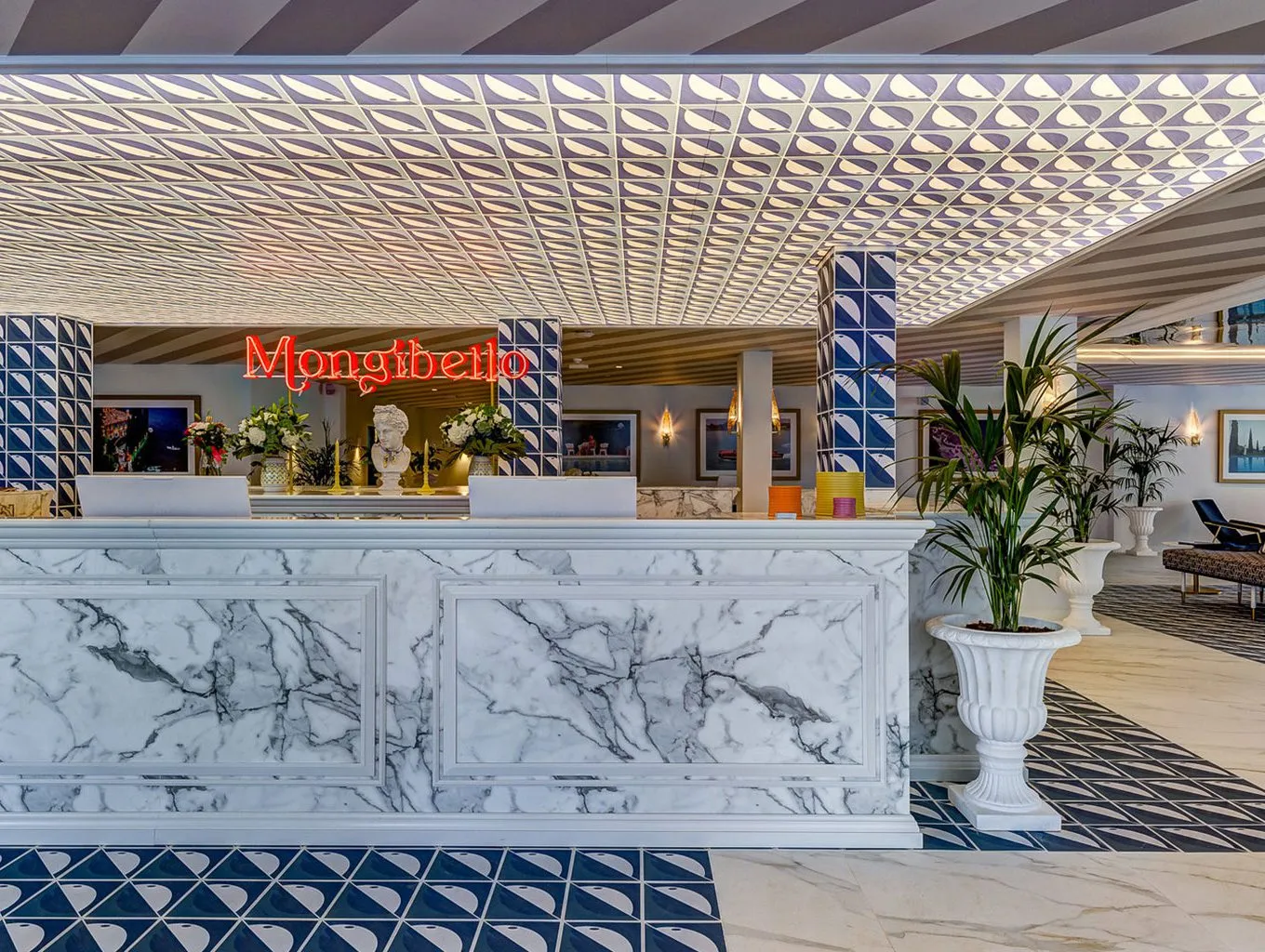
Concept Hotel Group boosts revenue performance with BEONx through automation, Smart Range, and data-driven decision-making.

From intuition to intelligence: how Kora Living achieved 20% RevPAR growth and built a smarter, data-driven revenue strategy with BEONx.

Colombia’s hotel industry is evolving fast. Learn how to anticipate demand, use AI to optimize pricing, and compete on value rather than price. A vision of the future of revenue management from BEONx, Lighthouse, and CloudBeds.
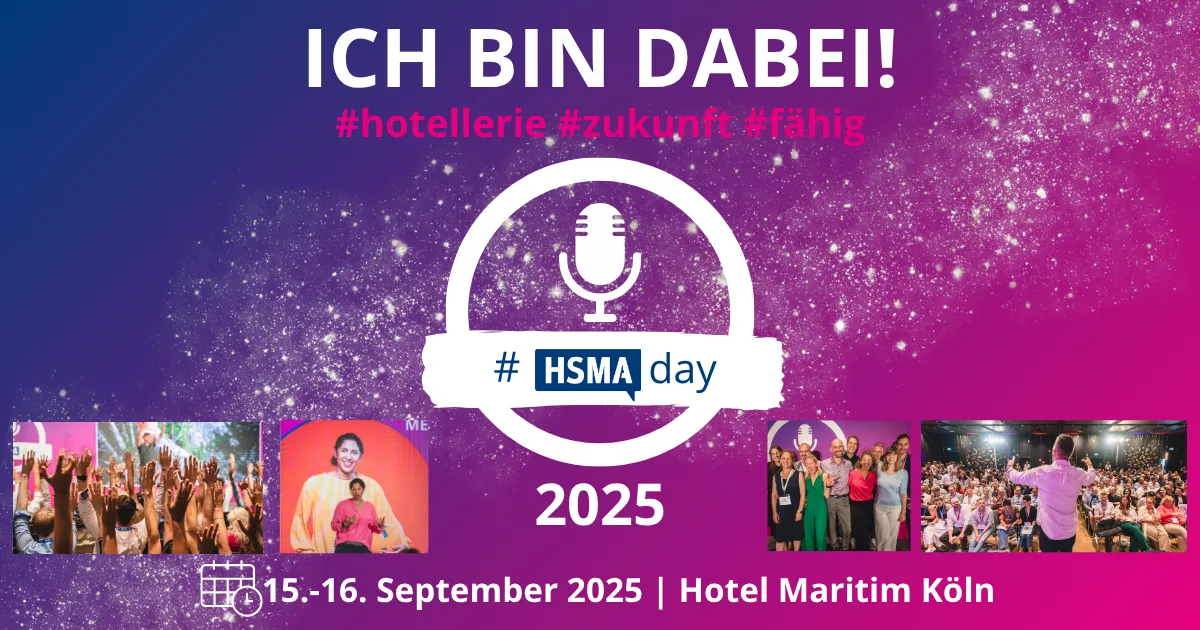
On September 15–16, 2025, BEONx participated in HSMAday 2025, held at the Maritim Hotel in Cologne. The event brought together over 500 professionals from the hospitality sector to

BEONx empowered Kali Hoteles team to move from reactive to proactive pricing strategies, detect market shifts early, and implement optimal pricing by room type—improving not just profitability but also internal collaboration and confidence. %

Redefine your pricing strategy with SmartRange by BEONx – the AI-powered model that stabilises rates, minimises volatility and boosts profitability beyond the compset.