
Beyond Pricing: Maximise Hotel Revenue with AI
Discover how AI transforms revenue management beyond pricing, segment analysis and channel mix. Boost profitability with BEONx. Read more here!


Distribution · Revenue Management
Marketing costs have increased, but why? Let's take a closer look at the situation.
One problem that worries hoteliers above all others is the ability to identify hotel acquisition costs and how these influence the capture of travelers. Acquisition costs have risen by 5% to 10% in less than a decade, with current figures ranging between 15% and 25% for giants such as Booking and Expedia. Current competition means that if a hotel can not attract visitors at an acceptable and sustainable rate, it will be difficult to survive in the medium term.
There are a number of reasons why acquisition costs are continuing to rise, while at the same time raising concerns among accommodation managers who are forced to assume high costs to keep the pulse of the market with a sufficiently competitive product. This uncertainty, linked to the lack of control by the hotelier, means that this situation must be interpreted in light of the following factors:
1) Lack of differentiation and low conversion rates.
One of the reasons why marketing costs are increasing so rapidly is that hotel marketing managers are unable to create perceived value in their product, and thus distribute it as a mere price-based commodity. This lack of market professionalization is linked to the problem of brand differentiation, with the resulting homogeneity in the sector leading to price competition. In order to work within a budget line of acquisition, we must promote specific aspects or values with which the accommodation can reduce competition. The ultimate goal of your marketing strategy must be to transmit a philosophy that can be transferred to the customer through a value chain, reducing collection costs, increasing loyalty and boosting direct bookings.
2) Competitiveness over generation channels of large volumes of traffic-reserves.
One of the main reasons for competitiveness in traffic, which all too often escapes the notice of accommodation managers, is the limited number of areas from which hotels can attract significant traffic. Although the Internet is very extensive, the vast majority of traffic and accommodation bookings are generated in OTA portals, metasearch engines, Google and Facebook, forcing hotels into a David vs. Goliath-style battle against the mega-budgets of key market players. Online travel agencies with high budgets spend more on marketing than most hotels, thus generating a pace that is difficult to follow. It is therefore essential to understand the importance of time and place when allocating funds, choosing a marketing budget appropriate for the channels used by your accommodation.
3) OTA commissions are not considered expenses.
One of the main reasons for the increase in distribution costs is the apathy and reluctance of many hotel managers to abandon or progressively disassociate themselves from OTAs, when they should be focusing on promoting direct income through bookings without the aid of any kind of intermediary. On the other hand, direct booking raises other issues that must be addressed, such as SEO, social networks, email marketing or reserve recovery systems. The latter start at an obvious disadvantage to bookings made through OTAs, as OTA expenses are hidden in bookings.
4) An approach aimed at moving channels for last-minute bookings
Allowing you to work on short-term strategies makes you dependent on last-minute actions, with the risk that this entails for accommodation. Generating a healthy flow of direct bookings will allow you to achieve more balanced booking curves and receive reservations well in advance, thus creating a direct and powerful source of income that will increase your property’s market value. According to a recent report by AHLA (American Hotel and Lodging Association) called “Demystifying the Digital Market”, acquisition costs paid by ho
tels in the United States reduced their income by almost 0.4%, which equates to around 600 million dollars.
Discover how AI transforms revenue management beyond pricing, segment analysis and channel mix. Boost profitability with BEONx. Read more here!

Maximize hotel revenue and balance occupancy by integrating a tour operator module into your RMS, optimizing pricing and strategic decisions.

Discover four key trends and expert tips to optimize hotel revenue strategies in 2024, leveraging AI, sustainability, personalization, and market data integration.
Speak with one of our dedicated hotel experts and get started on your journey to sustainable profitability.
Other Articles

Learn how Lungarno Collection increased ADR by 5-10% and automated pricing strategies using BEONx AI-driven Revenue Management System.
How Omena Hotels strengthened profitability and improved RevPAR through automation, forecasting and real-time pricing intelligence with BEONx.
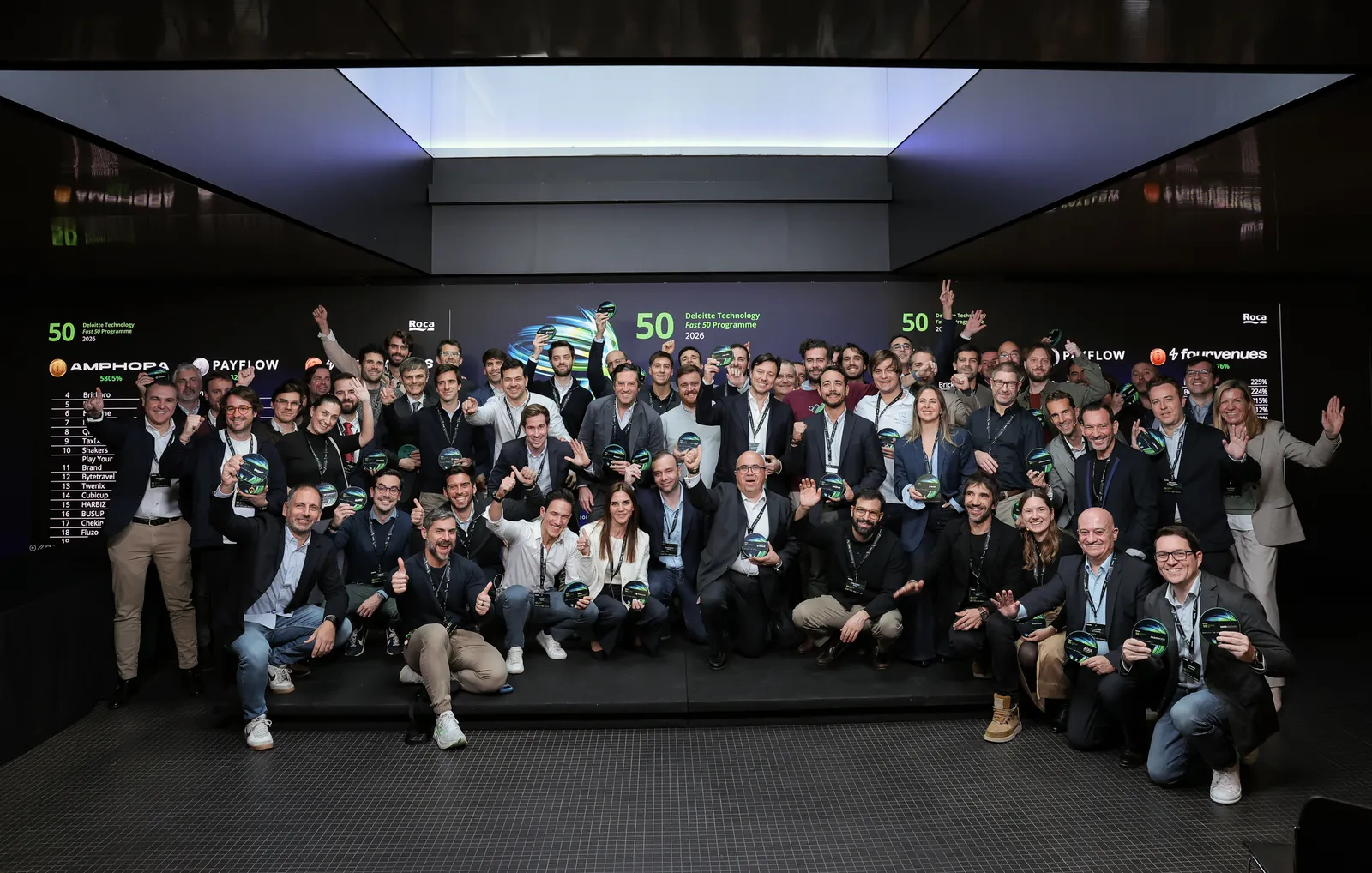
Deloitte has announced the results of the latest edition of the “Deloitte Technology Fast 50 Programme,” the prestigious ranking that identifies the 50 most scalable technology com
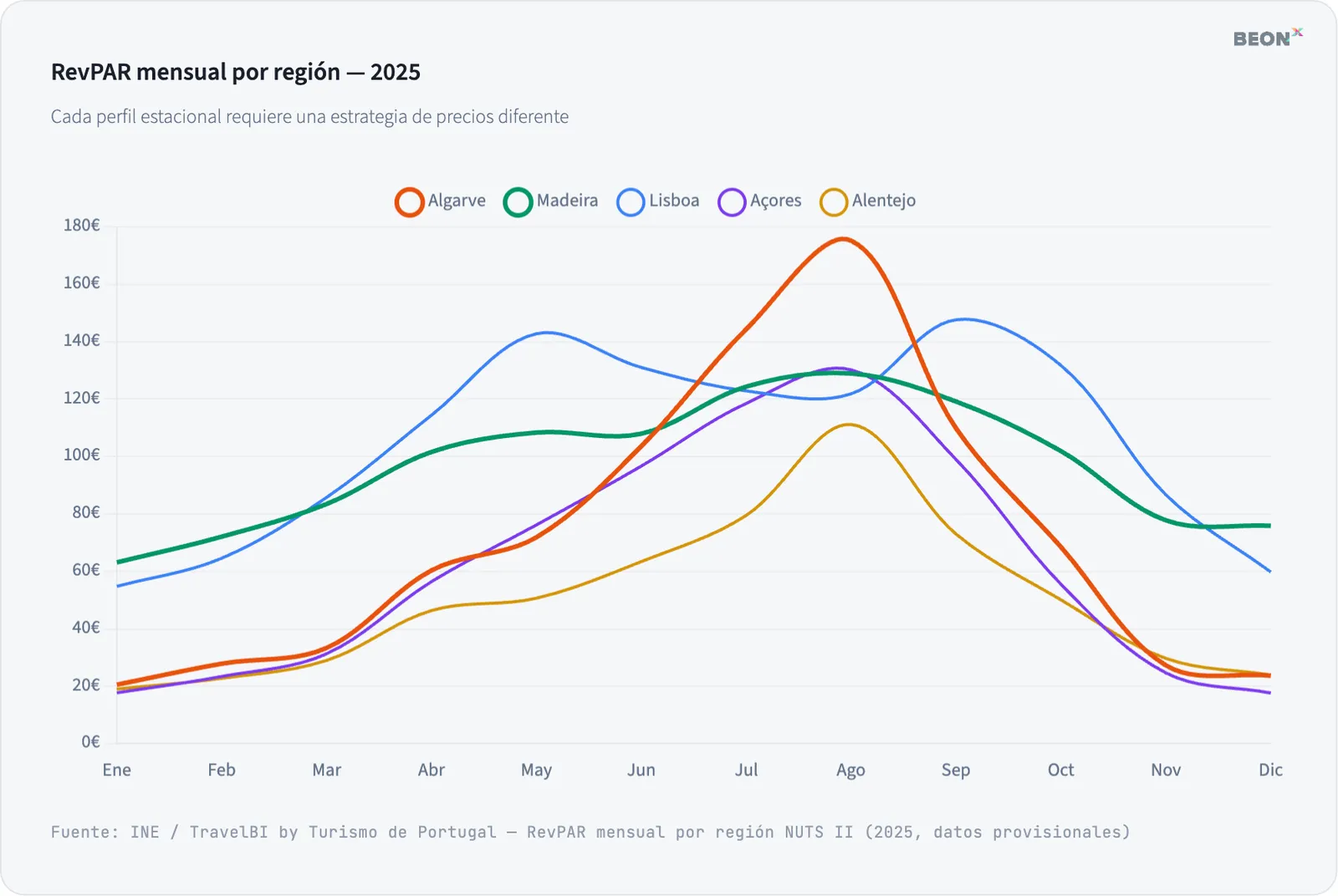
Growth that is losing momentum The hotel market in Portugal continues to break records year after year, but the data reveals a more nuanced reality, a RevPAR of €72.38, growth of +
Concept Hotel Group boosts revenue performance with BEONx through automation, Smart Range, and data-driven decision-making.

From intuition to intelligence: how Kora Living achieved 20% RevPAR growth and built a smarter, data-driven revenue strategy with BEONx.

Colombia’s hotel industry is evolving fast. Learn how to anticipate demand, use AI to optimize pricing, and compete on value rather than price. A vision of the future of revenue management from BEONx, Lighthouse, and CloudBeds.

On September 15–16, 2025, BEONx participated in HSMAday 2025, held at the Maritim Hotel in Cologne. The event brought together over 500 professionals from the hospitality sector to

BEONx empowered Kali Hoteles team to move from reactive to proactive pricing strategies, detect market shifts early, and implement optimal pricing by room type—improving not just profitability but also internal collaboration and confidence. %

Redefine your pricing strategy with SmartRange by BEONx – the AI-powered model that stabilises rates, minimises volatility and boosts profitability beyond the compset.