
Beyond Pricing: Maximise Hotel Revenue with AI
Discover how AI transforms revenue management beyond pricing, segment analysis and channel mix. Boost profitability with BEONx. Read more here!


Revenue Management
Strategies for managing room inventory and maximizing revenue

In the intricate dance of revenue management, one of the most critical aspects is hotel room inventory management. Effective management of room inventory can make or break a hotel’s reputation and bottom line. From optimizing revenue to enhancing guest experiences, a well-structured inventory management strategy is essential. In this article, we’ll delve into the best practices that hotels can adopt to master the art of hotel room inventory management.

Implementing a real-time centralized inventory management system is the foundation of efficient inventory management. This system enables hoteliers to keep track of available rooms, reservations, and occupancy rates in real-time. By having accurate and up-to-date information, hotels can avoid overbooking, allocate rooms more effectively, and provide guests with a seamless check-in experience.
Accurate demand forecasting is the bedrock of successful inventory management. Leveraging historical data, market trends, and special events, hotels can predict periods of high and low demand. This allows them to adjust pricing strategies, allocate rooms accordingly, and maximize revenue during peak seasons while avoiding vacancies during off-peak periods.
Implementing dynamic pricing strategies enables hotels to adapt room rates based on demand fluctuations, supply availability, and competitive landscape. By utilizing revenue management systems, hotels can optimize prices in real-time to strike a balance between attracting guests and maximizing revenue.
Effective channel management involves distributing room inventory across various online travel agencies (OTAs), global distribution systems (GDS), and the hotel’s official website. Automating this process not only ensures accurate availability across all platforms but also minimizes the risk of overbooking due to disparities in room allocation.
Implementing minimum and maximum length of stay restrictions can help hotels manage reservations during high-demand periods. MinLOS ensures that guests don’t book for only one night during busy times, while MaxLOS prevents extended bookings that could lead to a loss of potential revenue from other guests.
Strategic close-out dates involve temporarily closing off certain room types or the entire hotel to maximize revenue during peak periods. This approach maintains a sense of scarcity, encouraging potential guests to book in advance.
While it might sound counterintuitive, overbooking is a common practice that takes into account the likelihood of cancellations and no-shows. However, managing overbooking requires finesse – hotels must have a well-defined protocol for accommodating guests in case of overbooking, such as offering alternative accommodations and compensations.
Detailed reporting tools provide insights into occupancy rates, revenue per available room (RevPAR), and other key performance indicators. Regularly reviewing these reports helps hotels refine their inventory management strategies and identify areas for improvement.
Effective inventory management requires a well-trained staff that understands the importance of maintaining accurate information. Regular training sessions ensure that all team members are aligned with the inventory management practices and can communicate updates and changes effectively.
While managing room inventory is about maximizing revenue, it should never compromise guest experiences. Keeping a certain percentage of rooms available for last-minute reservations, upgrades, and special requests enhances the overall guest experience and fosters customer loyalty.
In today’s digital age, having a mobile-friendly inventory management system is crucial. Hotel staff should be able to access and update room inventory from mobile devices, allowing for quick responses to real-time changes.
Performing regular audits of room inventory, reservations, and rates ensures that the system remains accurate and up-to-date. Audits help identify discrepancies, inconsistencies, and areas where the inventory management process can be optimized.
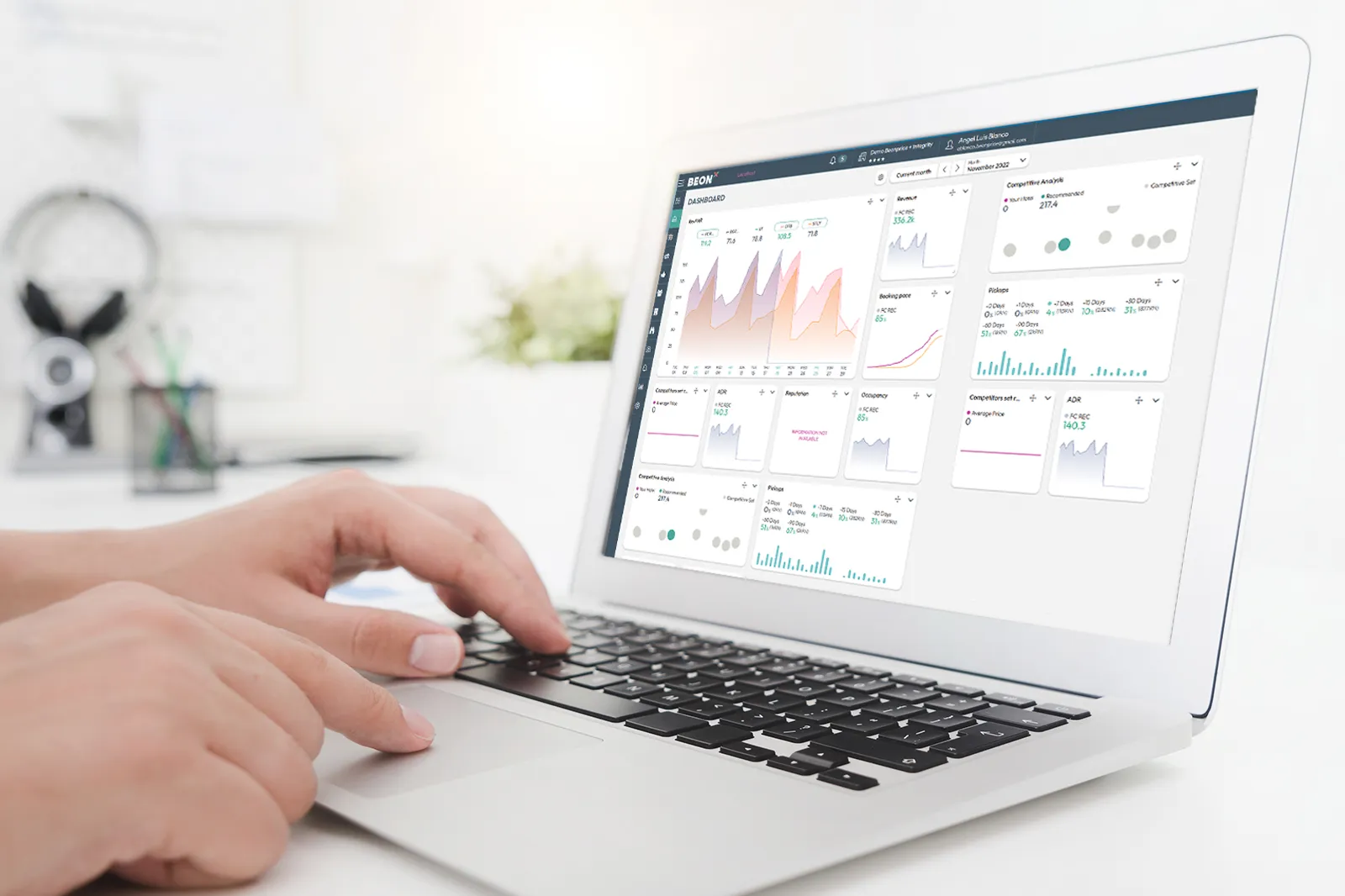
In conclusion, mastering hotel room inventory management requires a delicate balance between revenue optimization and guest satisfaction. With the right technology, data analysis, and staff training, hotels can implement these best practices to streamline their operations, boost revenue, and create exceptional guest experiences. By embracing innovation and maintaining a guest-centric approach, hotels can stand out in the competitive hospitality landscape.
BEONx offers a cutting-edge, all-in-one platform that seamlessly integrates with a hotel’s operations, revolutionizing the way room inventory is managed. With real-time data synchronization, BEONx ensures that your inventory information is accurate and up-to-date across all channels. Its advanced forecasting algorithms enable precise demand predictions, allowing hotels to optimize pricing strategies and revenue. Additionally, BEONx’s intuitive interface makes it easy to manage minimum length of stay restrictions, implement dynamic pricing, and monitor performance through insightful reports. By leveraging BEONx, hoteliers can navigate the complexities of inventory management with confidence, delivering top-notch guest experiences while maximizing profitability.
Discover how AI transforms revenue management beyond pricing, segment analysis and channel mix. Boost profitability with BEONx. Read more here!

Maximize hotel revenue and balance occupancy by integrating a tour operator module into your RMS, optimizing pricing and strategic decisions.

Discover four key trends and expert tips to optimize hotel revenue strategies in 2024, leveraging AI, sustainability, personalization, and market data integration.
Speak with one of our dedicated hotel experts and get started on your journey to sustainable profitability.
Other Articles

Learn how Lungarno Collection increased ADR by 5-10% and automated pricing strategies using BEONx AI-driven Revenue Management System.
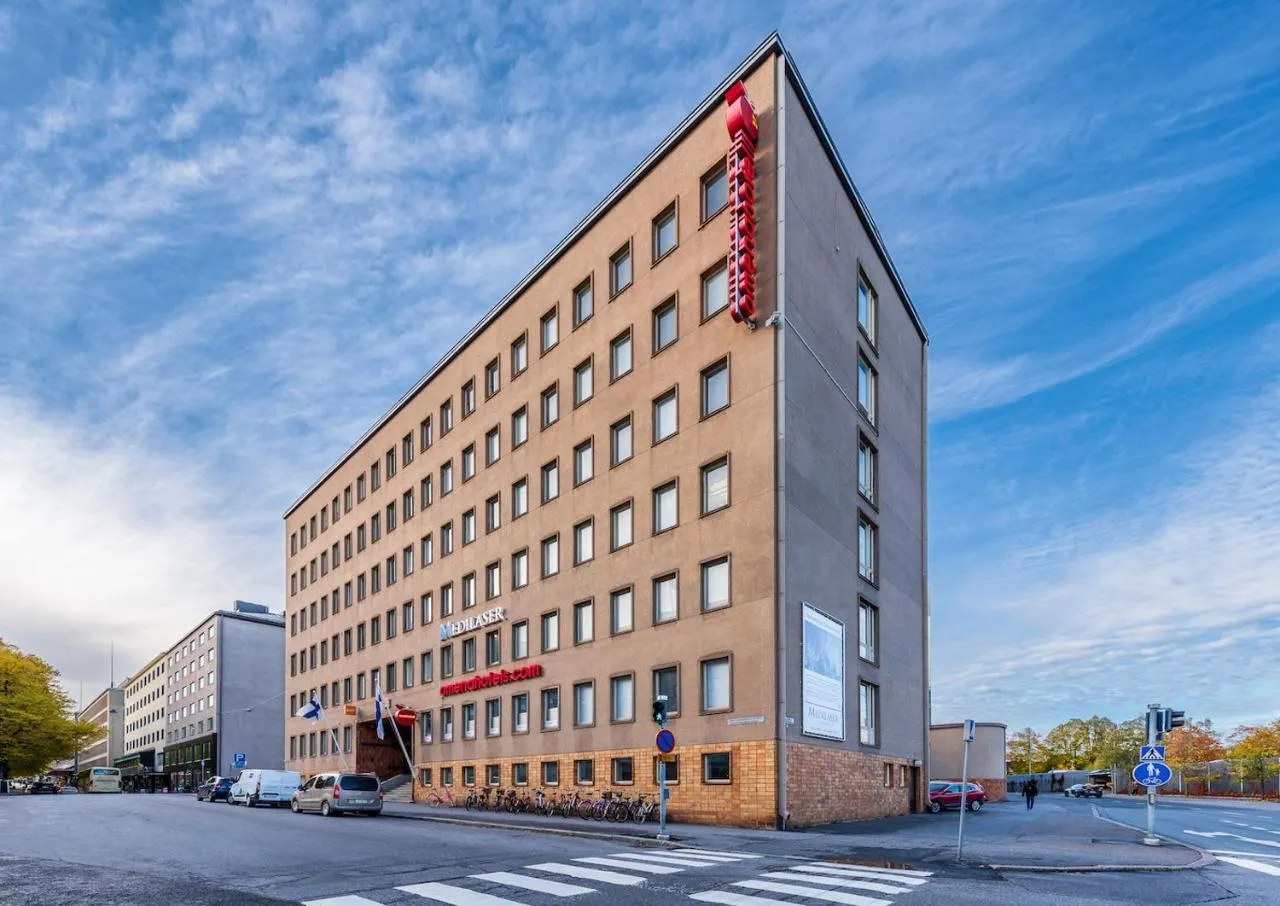
How Omena Hotels strengthened profitability and improved RevPAR through automation, forecasting and real-time pricing intelligence with BEONx.

Deloitte has announced the results of the latest edition of the “Deloitte Technology Fast 50 Programme,” the prestigious ranking that identifies the 50 most scalable technology com
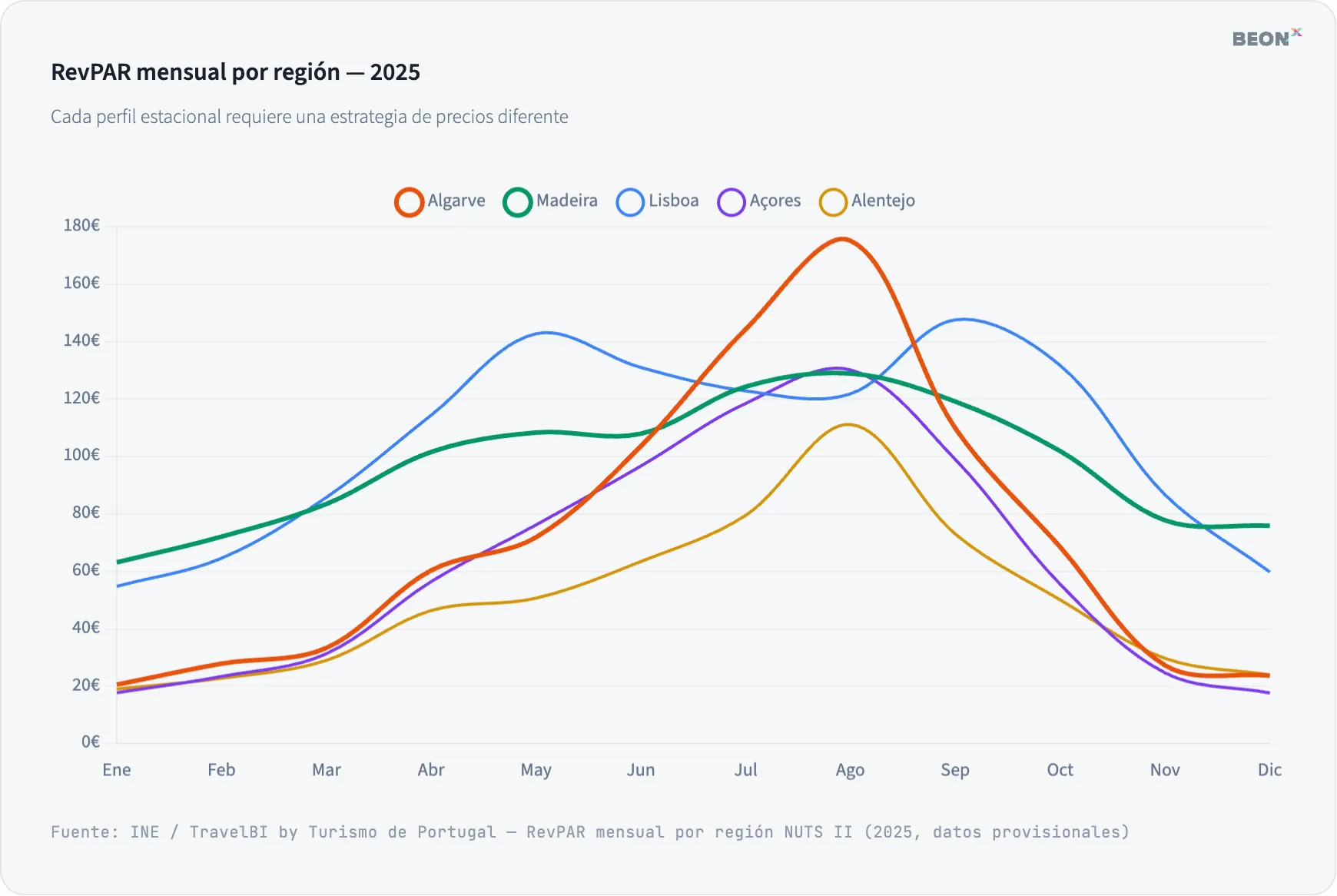
Growth that is losing momentum The hotel market in Portugal continues to break records year after year, but the data reveals a more nuanced reality, a RevPAR of €72.38, growth of +
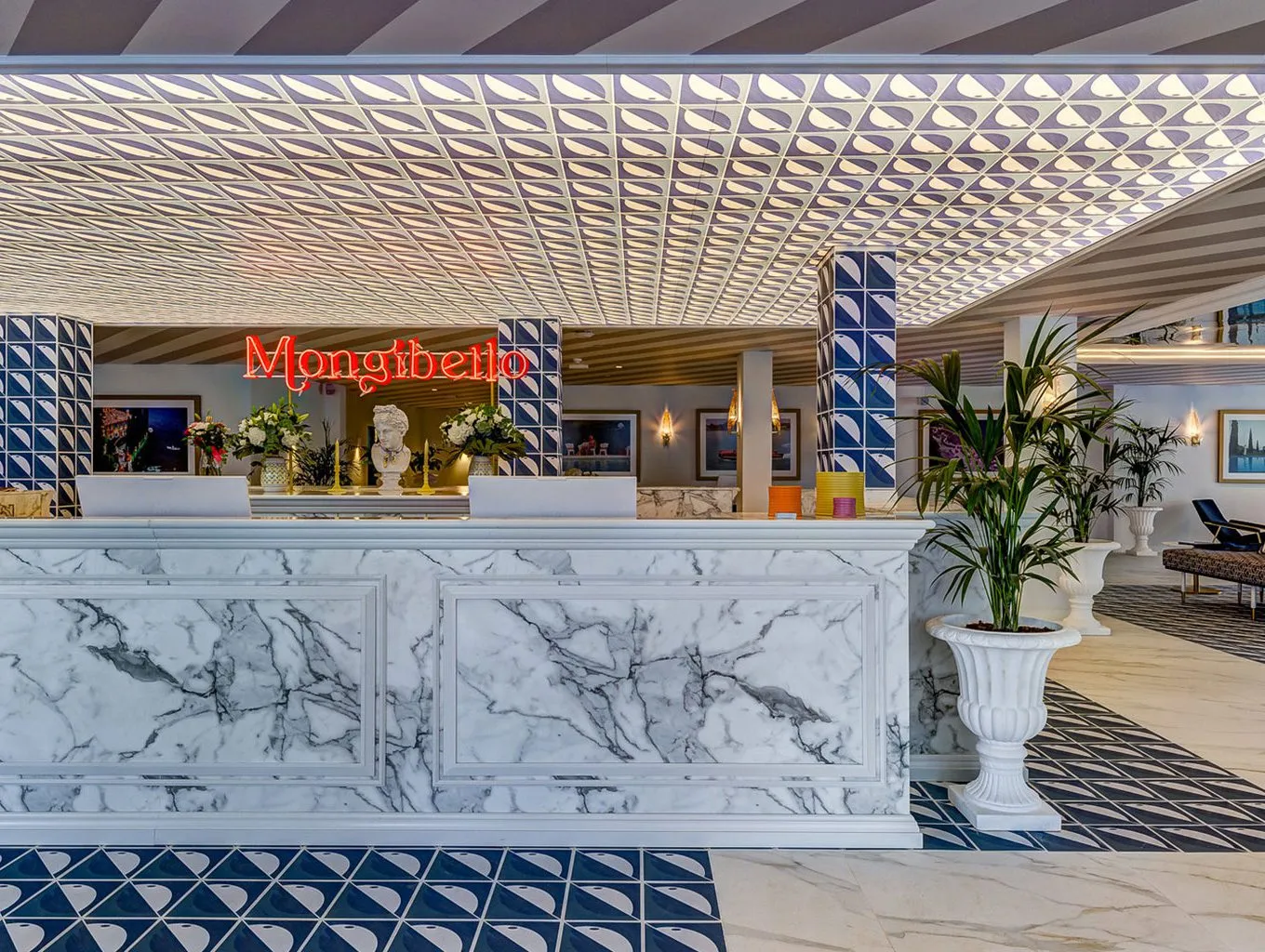
Concept Hotel Group boosts revenue performance with BEONx through automation, Smart Range, and data-driven decision-making.

From intuition to intelligence: how Kora Living achieved 20% RevPAR growth and built a smarter, data-driven revenue strategy with BEONx.

Colombia’s hotel industry is evolving fast. Learn how to anticipate demand, use AI to optimize pricing, and compete on value rather than price. A vision of the future of revenue management from BEONx, Lighthouse, and CloudBeds.
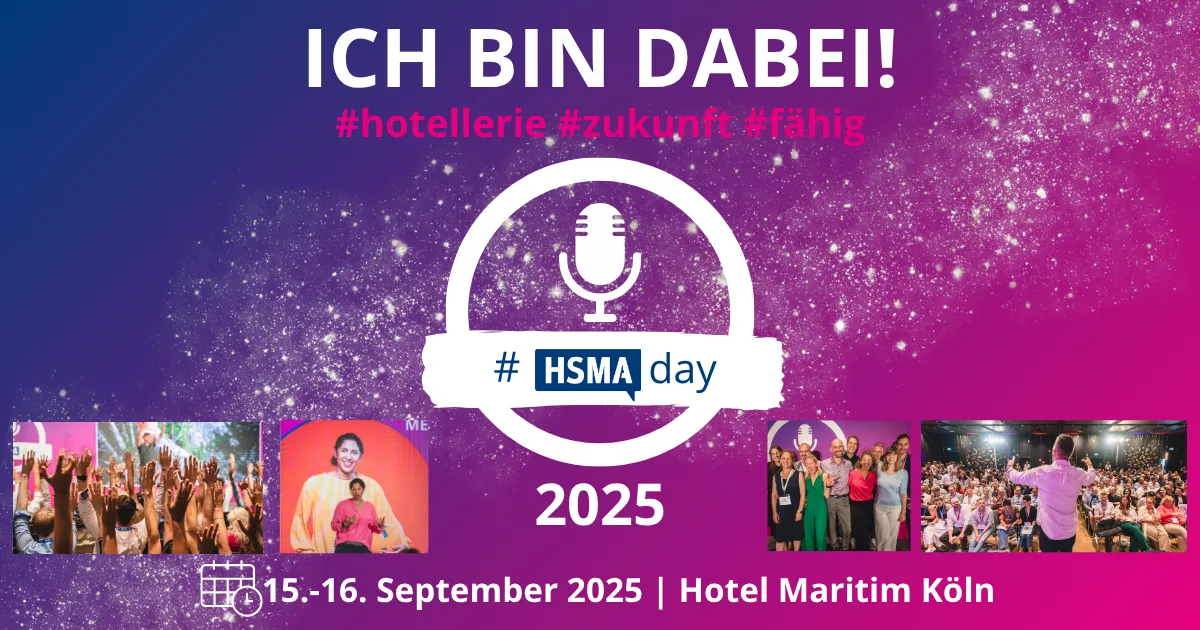
On September 15–16, 2025, BEONx participated in HSMAday 2025, held at the Maritim Hotel in Cologne. The event brought together over 500 professionals from the hospitality sector to

BEONx empowered Kali Hoteles team to move from reactive to proactive pricing strategies, detect market shifts early, and implement optimal pricing by room type—improving not just profitability but also internal collaboration and confidence. %

Redefine your pricing strategy with SmartRange by BEONx – the AI-powered model that stabilises rates, minimises volatility and boosts profitability beyond the compset.