
Beyond Pricing: Maximise Hotel Revenue with AI
Discover how AI transforms revenue management beyond pricing, segment analysis and channel mix. Boost profitability with BEONx. Read more here!


Pricing · Revenue Management
Top suggestions for increasing your hotel's occupancy rate and boosting hotel revenue.

The objective is to analyze your market and generate the right offer to avoid unstable moments of occupation without the need to lower prices.
Balance is the most important factor in both daily life and in the distribution of hotel rooms. Having regular reservations distributed along seasons, without unstable moments, is the dream of any hotel revenue management. It’s very common to undergo low occupancy from Monday to Friday or to have low seasons at times of less traveler affluence to beach or mountain destinations. These are common situations that should be dealt with by means of good product management and product distribution, through creative measures which do not lead to product devaluation.
When we talk about hotel occupancy we mean the rating of occupied rooms at a lodging during certain times. We can define the occupation rate in specific periods in order to identify needs related to chronological factors. When we have a large number of booked rooms, it means that we have a high occupancy rate, and it does not always mean that it provides higher profitability. In revenue management, we must start from the concept that high occupancy, at any price, does not ensure profitability.
Good occupancy rate for hotels may vary depending on chronological factors related to the following parameters:
Tips to improve the hotel occupancy rate.
To balance the distribution it’s important to take concrete measures to improve employment rate. It’s also key to improve competitiveness in internal factors such as cleanliness, price or guest experience. The line of work must be in continuous improvement of “macro” factors and in making good decisions in concrete measures such as those proposed by BEONx.
Create packages and promotions. Generating reasons why the interest on housing is enhanced can be considered at product level. Launching specific packages, at competitive prices, is a “classic” when it comes to “forcing” bookings at specific moments on clearly identified markets.
Example: Special promotions for concert attendees showing the entrance.
Identify suitable markets for your product. Knowing the times associated with travelers at specific moments, on very specific markets, makes it easier to direct your offer on new potential customers.
Example: If you have a hostel in a big city it may be interesting to post our offer on a platform of digital nomads.
Launching events for specific segments. Generate initiatives for specific segments that start from our space as a place of development.
Example: Dance Congress for salsa fans in Calpe during the month of November.
Partner with other local businesses. Collaboration in recommendations of travelers that connect with your hotel.
Example: Hotel packages + special dinner at a restaurant in the area.
Weddings at any time of the year. Encourage the celebration of weddings on any day of the year, improving prices, will not lead to an advantage of hotel spaces more than profitable.
Example: Special promotion “Marry a Friday” and take advantage of better prices and better service.
Collaborations with real estate. For people who travel from other countries, and who need to acquire a home, it’s interesting that real estate agents know trustworthy accommodations to recommend.
Example: For Nordic travelers who want to live in Alicante, contact real estate agents and offer commission on recommendation.
After this review of advice, improvements and proposals on the occupancy rate, we only have to encourage you to improve this and other ratios, count on the appropriate technology and work in favor of maximizing profitability.
Discover how AI transforms revenue management beyond pricing, segment analysis and channel mix. Boost profitability with BEONx. Read more here!

Maximize hotel revenue and balance occupancy by integrating a tour operator module into your RMS, optimizing pricing and strategic decisions.

Discover four key trends and expert tips to optimize hotel revenue strategies in 2024, leveraging AI, sustainability, personalization, and market data integration.
Speak with one of our dedicated hotel experts and get started on your journey to sustainable profitability.
Other Articles

Learn how Lungarno Collection increased ADR by 5-10% and automated pricing strategies using BEONx AI-driven Revenue Management System.
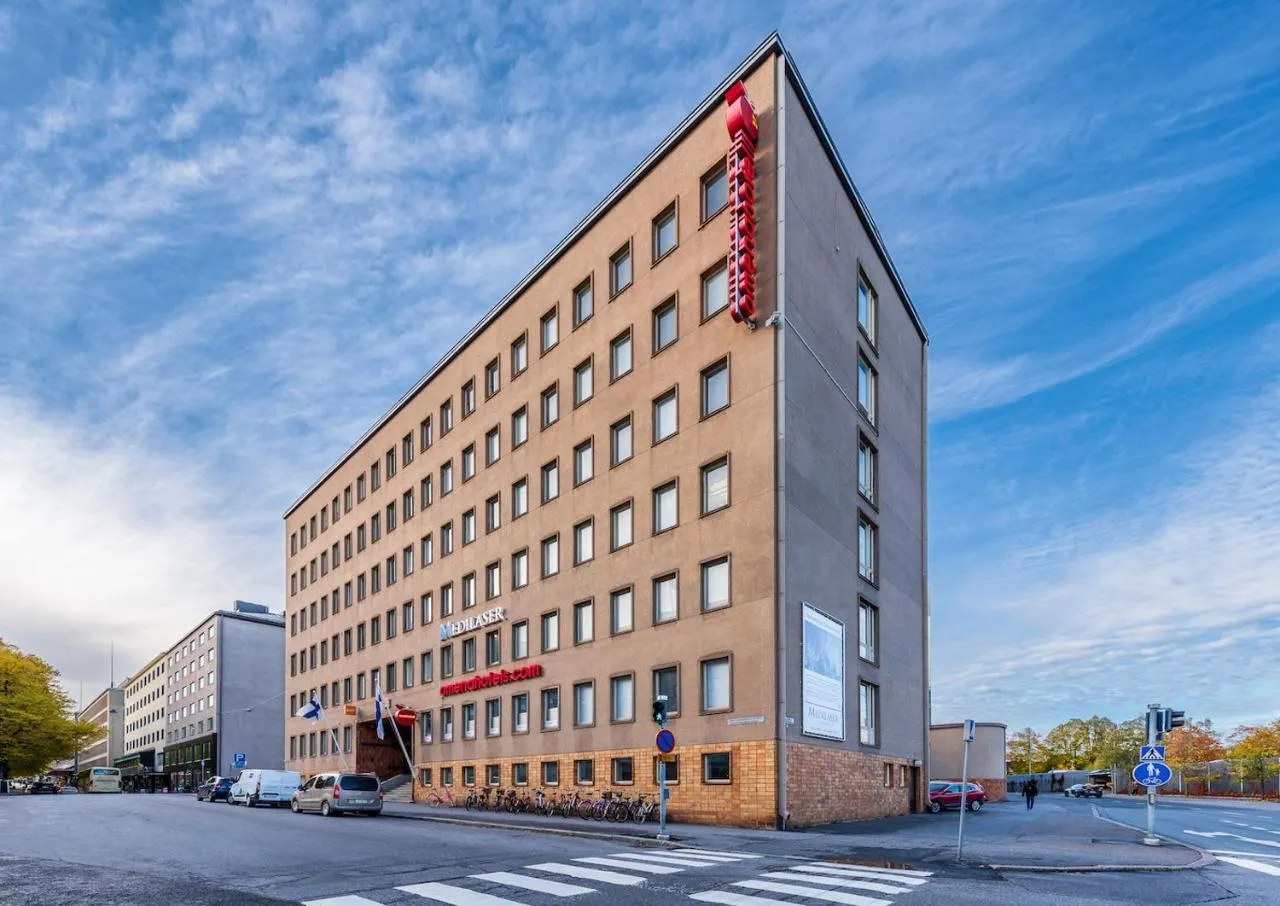
How Omena Hotels strengthened profitability and improved RevPAR through automation, forecasting and real-time pricing intelligence with BEONx.
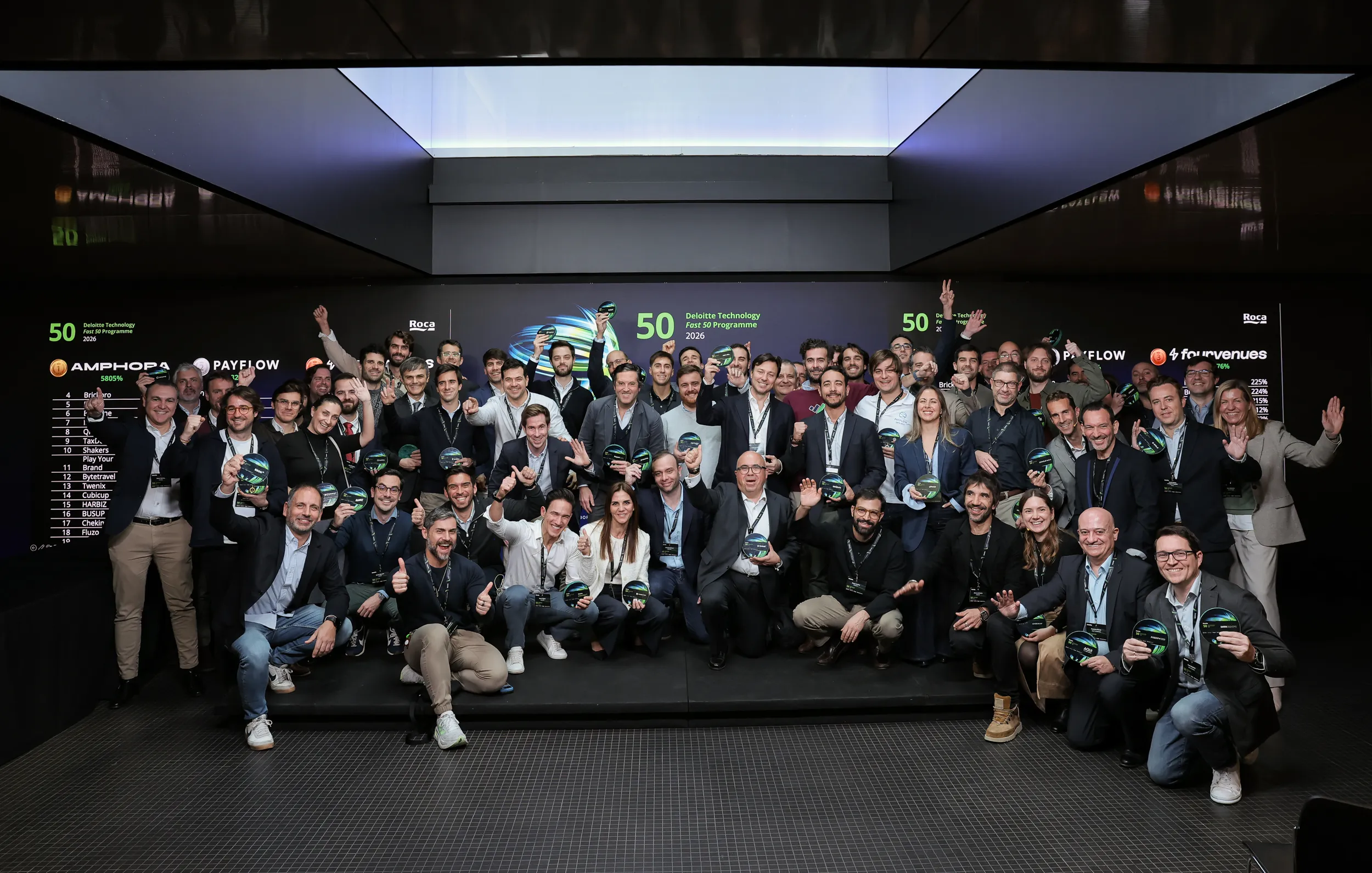
Deloitte has announced the results of the latest edition of the “Deloitte Technology Fast 50 Programme,” the prestigious ranking that identifies the 50 most scalable technology com
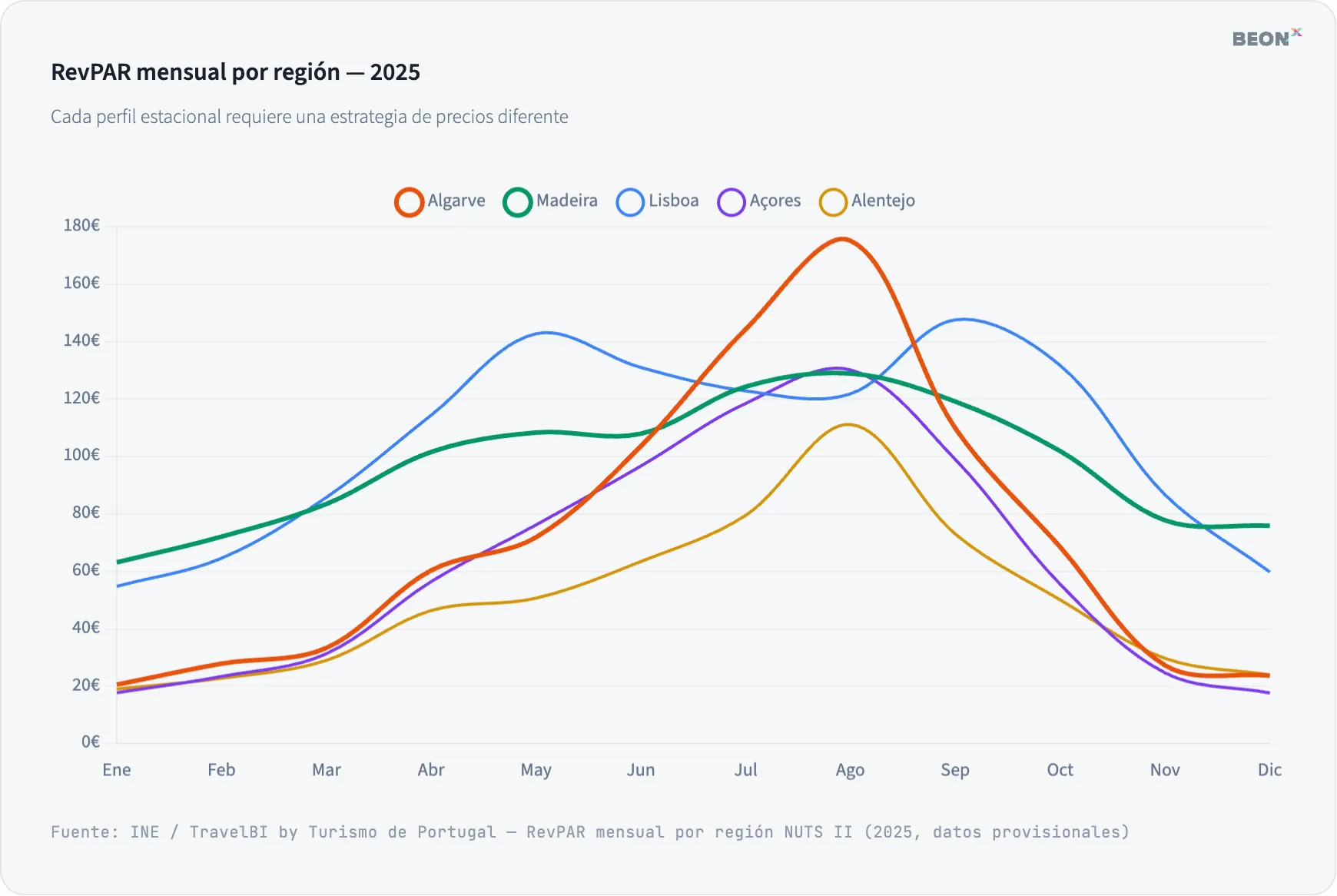
Growth that is losing momentum The hotel market in Portugal continues to break records year after year, but the data reveals a more nuanced reality, a RevPAR of €72.38, growth of +
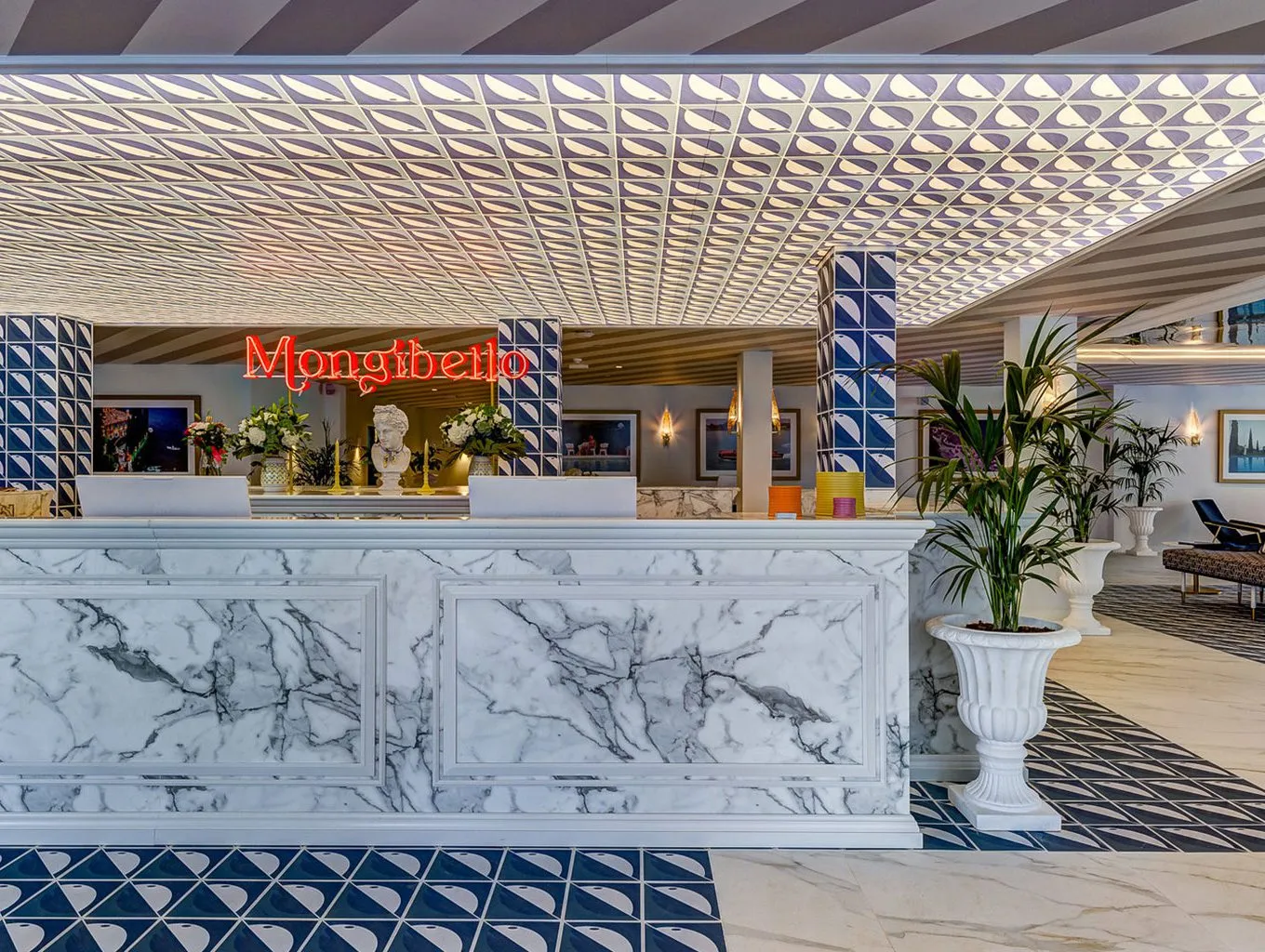
Concept Hotel Group boosts revenue performance with BEONx through automation, Smart Range, and data-driven decision-making.

From intuition to intelligence: how Kora Living achieved 20% RevPAR growth and built a smarter, data-driven revenue strategy with BEONx.

Colombia’s hotel industry is evolving fast. Learn how to anticipate demand, use AI to optimize pricing, and compete on value rather than price. A vision of the future of revenue management from BEONx, Lighthouse, and CloudBeds.

On September 15–16, 2025, BEONx participated in HSMAday 2025, held at the Maritim Hotel in Cologne. The event brought together over 500 professionals from the hospitality sector to

BEONx empowered Kali Hoteles team to move from reactive to proactive pricing strategies, detect market shifts early, and implement optimal pricing by room type—improving not just profitability but also internal collaboration and confidence. %

Redefine your pricing strategy with SmartRange by BEONx – the AI-powered model that stabilises rates, minimises volatility and boosts profitability beyond the compset.