
Beyond Pricing: Maximise Hotel Revenue with AI
Discover how AI transforms revenue management beyond pricing, segment analysis and channel mix. Boost profitability with BEONx. Read more here!


Revenue Management
Promoting your hotel through an OTA can be a great way to build your hotel’s brand presence and reputation, but it comes with some downsides.
Many travellers these days use online travel agencies (OTAs) when they search for accommodation. In fact, sites like Expedia and Booking.com are some of the most visited websites in the world. Promoting your hotel through an OTA can therefore be a great way to build your hotel’s brand presence and reputation. However, although there can be a lot of benefits to working with OTAs, there are also some downsides.
In today’s post, we are going to explore the pros and cons of working with OTAs. We will also explain how to create an effective distribution strategy that helps you generate maximum revenue for your hotel.
OTAs are online travel agencies where travellers can organise every logistical aspect of their trips. This includes flights, hotels, tours, and car rentals. They can find offers, compare deals, and confirm bookings straight through an OTA, which is both convenient and time efficient. What’s more, travellers can view reviews on most OTAs which reassures them that they are paying a fair price and getting value for their money.
From the perspective of a hotel, these sites can help properties reach a larger market and build consumer trust, especially in the case of smaller, boutique hotels with less established reputations. In exchange, these OTAs usually deduct a commission from the rate paid by a booking guest. Hotels can also pay a premium to appear at the top of listed search results.

Working with OTAs can go a long way to enhance your revenue management and distribution channel strategies. However, although there can be many advantages, these need to be weighed up against the disadvantages. It’s important to consider both the pros and the cons before entering into an agreement with an OTA.
Let’s start with the pros:
Here are some of the cons of working with OTAs:

Aside from weighing up the pros and cons, you also need to create a detailed distribution strategy for your hotel before you start working with an OTA. This will help you identify which distribution channels you should be working with and on what scale.
Here’s what you need to keep in mind.
Start by estimating the degree of coverage you want to achieve within your potential market.
There are three possibilities here:
The selective distribution strategy is most commonly used in the hotel sector. It is also the strategy that we would recommend since it enables you to create a healthy distribution mix that can help you optimise your results.
Once you’ve determined the distribution strategy that you are going to use, the next step is selecting the best distribution channels to include in your channel manager.
Make sure you consider the following:
Finally, don’t forget to include direct sales in your overall revenue management strategy. Although OTAs can improve your market positioning and help you sell more rooms, it’s important not to become too dependent on them. You still need to work on maximising your own revenue streams through your hotel’s website and loyalty programmes.
Why? Because direct bookings are far more profitable in the long run.
For one thing, you don’t have to pay OTA commissions. Plus, with direct bookings, you can contact guests from the moment they make a booking. This provides you with valuable upselling opportunities. It also enables you to get to know your guests sooner so that you can offer them personalised experiences and build customer loyalty.
Discover how AI transforms revenue management beyond pricing, segment analysis and channel mix. Boost profitability with BEONx. Read more here!

Maximize hotel revenue and balance occupancy by integrating a tour operator module into your RMS, optimizing pricing and strategic decisions.

Discover four key trends and expert tips to optimize hotel revenue strategies in 2024, leveraging AI, sustainability, personalization, and market data integration.
Speak with one of our dedicated hotel experts and get started on your journey to sustainable profitability.
Other Articles

Learn how Lungarno Collection increased ADR by 5-10% and automated pricing strategies using BEONx AI-driven Revenue Management System.
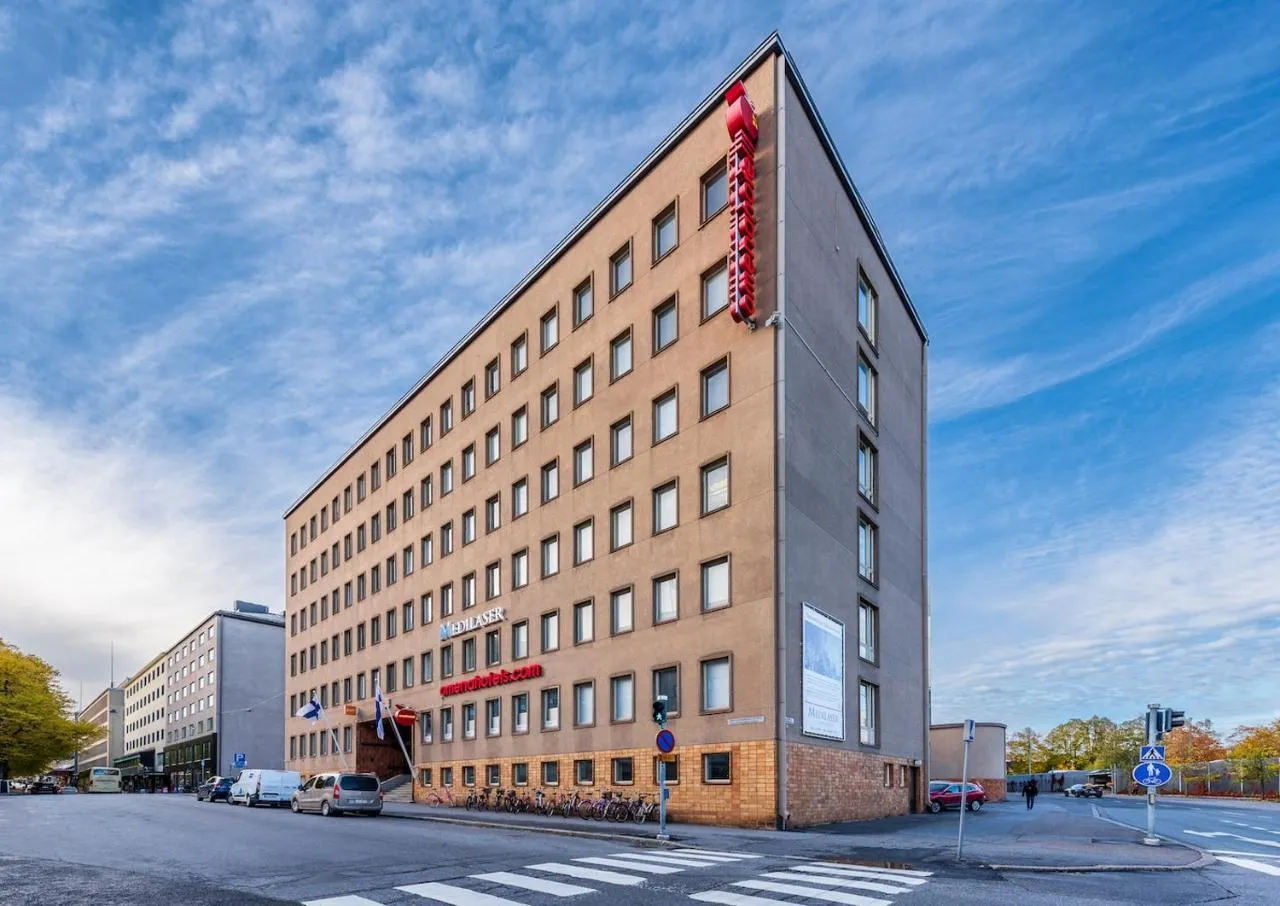
How Omena Hotels strengthened profitability and improved RevPAR through automation, forecasting and real-time pricing intelligence with BEONx.

Deloitte has announced the results of the latest edition of the “Deloitte Technology Fast 50 Programme,” the prestigious ranking that identifies the 50 most scalable technology com
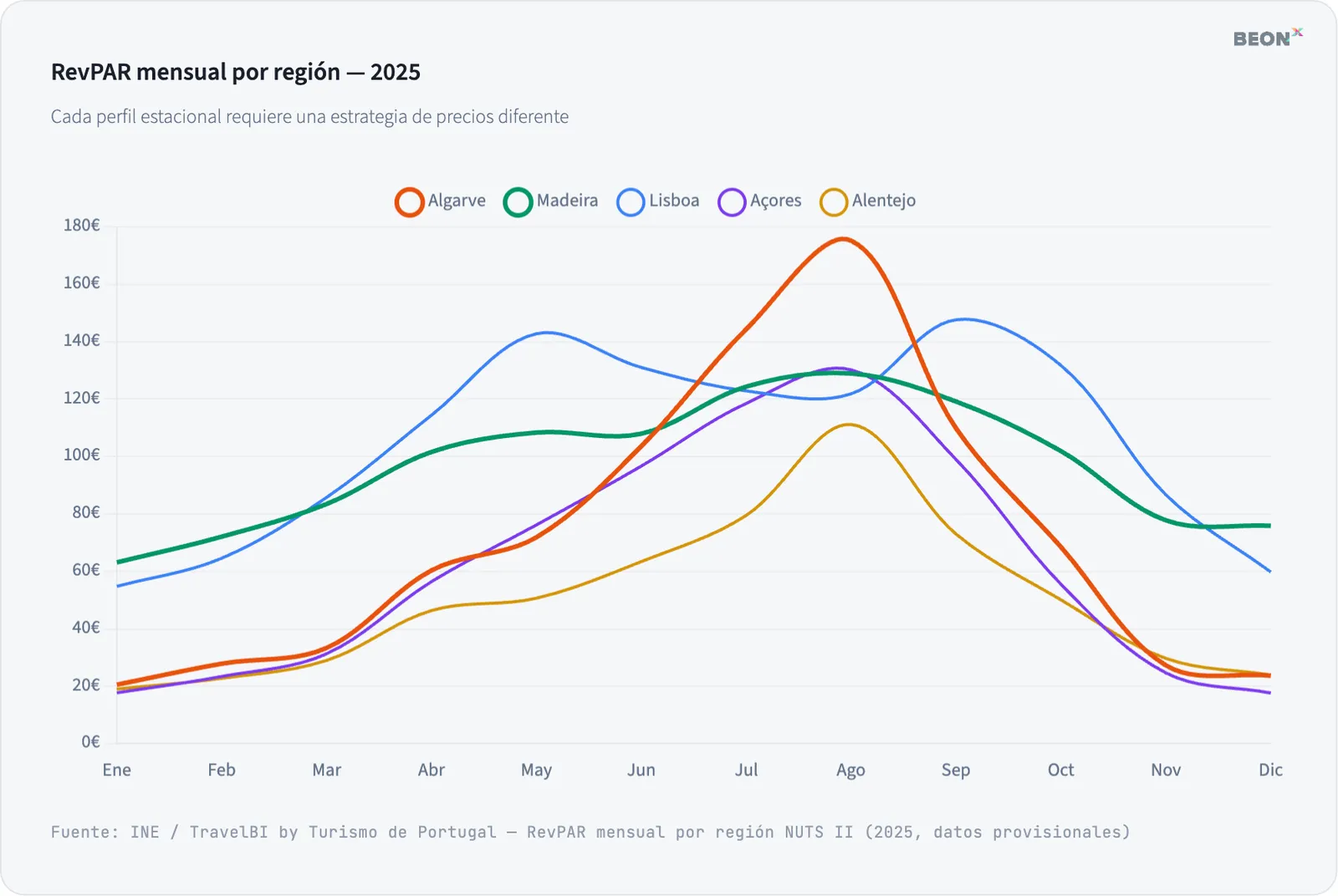
Growth that is losing momentum The hotel market in Portugal continues to break records year after year, but the data reveals a more nuanced reality, a RevPAR of €72.38, growth of +
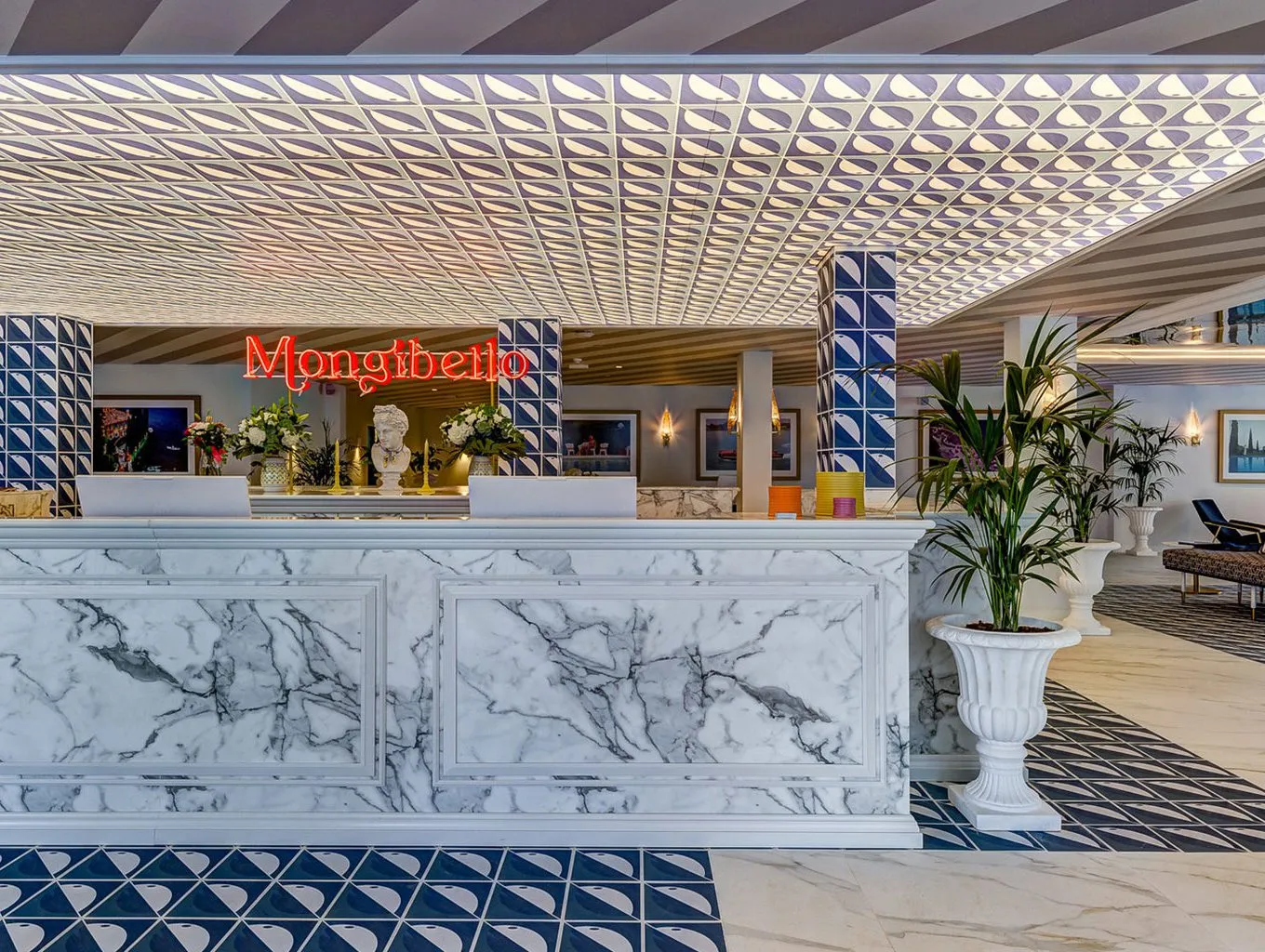
Concept Hotel Group boosts revenue performance with BEONx through automation, Smart Range, and data-driven decision-making.

From intuition to intelligence: how Kora Living achieved 20% RevPAR growth and built a smarter, data-driven revenue strategy with BEONx.

Colombia’s hotel industry is evolving fast. Learn how to anticipate demand, use AI to optimize pricing, and compete on value rather than price. A vision of the future of revenue management from BEONx, Lighthouse, and CloudBeds.

On September 15–16, 2025, BEONx participated in HSMAday 2025, held at the Maritim Hotel in Cologne. The event brought together over 500 professionals from the hospitality sector to

BEONx empowered Kali Hoteles team to move from reactive to proactive pricing strategies, detect market shifts early, and implement optimal pricing by room type—improving not just profitability but also internal collaboration and confidence. %

Redefine your pricing strategy with SmartRange by BEONx – the AI-powered model that stabilises rates, minimises volatility and boosts profitability beyond the compset.