BEONx launches BEONx Spark, the first agentic RMS on the market
With BEONx Spark, hoteliers set the strategy and AI agents execute it across all their hotels. 24/7. Beyond RevPAR. Explaining every decision.


Hoteltech and innovation · Software · Sustainability
How does ESG relate to hotels? ESG stands for Environmental, Social, and Governance, and it relates to hotels in terms of their operational impacts and responsibilities in these th

ESG stands for Environmental, Social, and Governance, and it relates to hotels in terms of their operational impacts and responsibilities in these three areas. Environmentally, hotels are expected to manage their energy consumption, reduce emissions, and conserve natural resources. Socially, they should foster positive relationships with employees, guests, and communities, promoting inclusivity and diversity. Governance refers to the ethical conduct of the business, including transparency and accountability in its operations.
A hotel can improve its sustainability by continuously monitoring and updating its environmental policies and practices. This includes investing in renewable energy sources, implementing energy-saving initiatives, and promoting recycling and composting programs. Additionally, they can engage in community development projects and foster partnerships with local suppliers to promote sustainable and responsible tourism. Employee training on sustainability practices and encouraging guest participation in green initiatives can further enhance a hotel’s sustainability efforts.
Another important aspect of improving and demonstrating your hotel’s sustainability credentials is to work with sustainability partners such as Travelife, Biosphere, Green Globe or Bioscore, which can help audit and improve sustainability initiatives within your hotel operations.
Some challenges for a hotel to be sustainable include high upfront costs for green technologies, potential resistance from staff or guests to new sustainability initiatives, and maintaining a balance between luxury and sustainability. Moreover, the competitive nature of the hospitality industry can sometimes prioritise short-term gains over long-term sustainable practices. It can also be challenging to measure the exact impact of sustainability initiatives, making it difficult to quantify the benefits and ROI of such efforts. Despite these challenges, the increasing demand for sustainable travel options is encouraging more hotels to adopt sustainable practice, whilst it is also becoming a legal requirement in many regions too.
Increased Market Share
As the number of eco-conscious consumers continues to increase quickly, attracting these consumers with your hotel’s sustainability credentials can differentiate you from the competition and often allow you to charge premium prices to this segment who are proven to be more price elastic when it comes to pricing.
Enhanced Brand Reputation
Sustainability initiatives can help build a positive brand image for hotels. A reputation for eco-friendliness can attract not only eco-conscious consumers but also travelers who appreciate responsible business practices. Over time, an enhanced brand reputation can also lead to increased guest loyalty, which in turn builds a more consistent long-term revenue stream.
Cost Savings
Despite upfront costs, implementing sustainable business practices and initiatives can often lead to long-term operational cost savings. For example, installing energy-efficient lighting and smart water-savings fixtures can lead to lower utility bills. In some regions, governments will also offer grants and tax breaks for businesses that adopt sustainable business practices.
Guest Experience
Eco-conscious travelers are more likely to have a positive experience at a sustainable hotel because it aligns with their values. Positive guest experiences often lead to positive reviews, recommendations to friends and return visits, which all help to improve your bottom line.
Employee Engagement
Sustainability initiatives can boost employee morale and engagement. Individuals are increasingly seeking out sustainable employers, which can also improve your recruitment and retention of staff.
Long-term Viability
As the world grapples with environmental challenges, sustainability is becoming increasingly important for long-term business viability. Sustainable hotels are better positioned to weather changes in consumer preferences, regulatory requirements, and resource availability.
At BEONx, we believe that sustainability and profitability come hand in hand. Sustainable profitability is an approach that transforms sustainability from an operating cost into a profit centre for your hotel. Moving from a hotel revenue management system to a sustainable profitability approach will allow you to optimise the use of resources and maximise resource efficiency in order to intelligently retain revenue and unlock maximum value for your customers.
With BEONx, you can leverage sustainability as a profit driver within a holistic, guest-centric approach to profitability. From seamless guest messaging and time-saving automations, to intelligent upselling and revenue auditing, our toolkit helps hotels align sustainability and profitability for a lasting impact on guest experience and the bottom line.
To further empower both hotels and customers to benefit from the shift towards sustainability, BEONx is developing a Hotel Sustainability Index (HSI) in partnership with the industry. The HSI will allow hotels to benchmark their sustainability metrics with their industry peers, whilst also providing greater transparency to customers.
We envision this index becoming an industry standard, with scores prominently displayed on booking engines and Online Travel Agencies (OTAs), offering potential guests a clear measure of a hotel’s commitment to sustainable practices, thereby driving the industry towards a more sustainable future.
With BEONx Spark, hoteliers set the strategy and AI agents execute it across all their hotels. 24/7. Beyond RevPAR. Explaining every decision.

Redefine your pricing strategy with SmartRange by BEONx – the AI-powered model that stabilises rates, minimises volatility and boosts profitability beyond the compset.

Discover how artificial intelligence is transforming hotel revenue management, without falling into unrealistic expectations. Data and strategies based on industry reports.
Speak with one of our dedicated hotel experts and get started on your journey to sustainable profitability.
Other Articles

Learn how Lungarno Collection increased ADR by 5-10% and automated pricing strategies using BEONx AI-driven Revenue Management System.
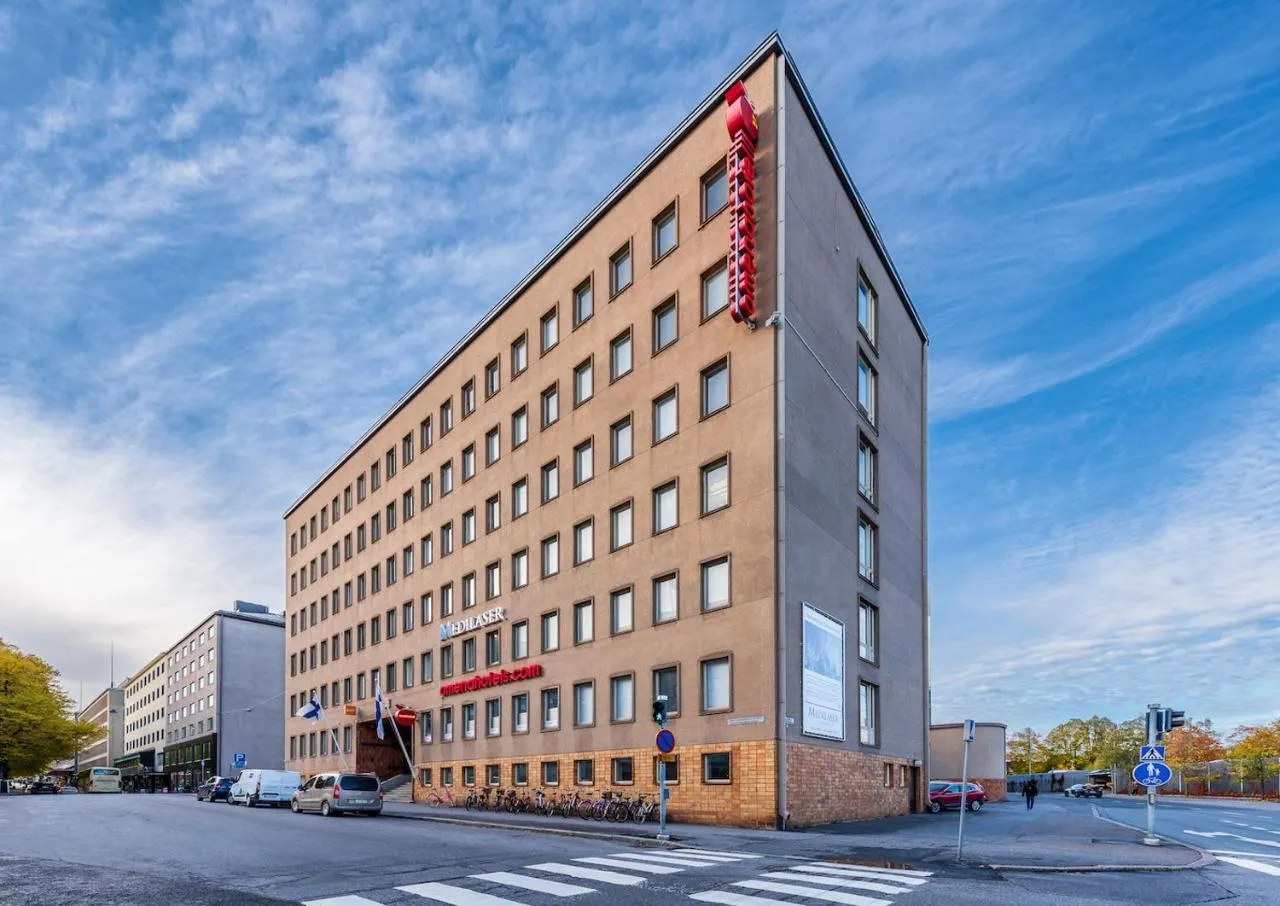
How Omena Hotels strengthened profitability and improved RevPAR through automation, forecasting and real-time pricing intelligence with BEONx.
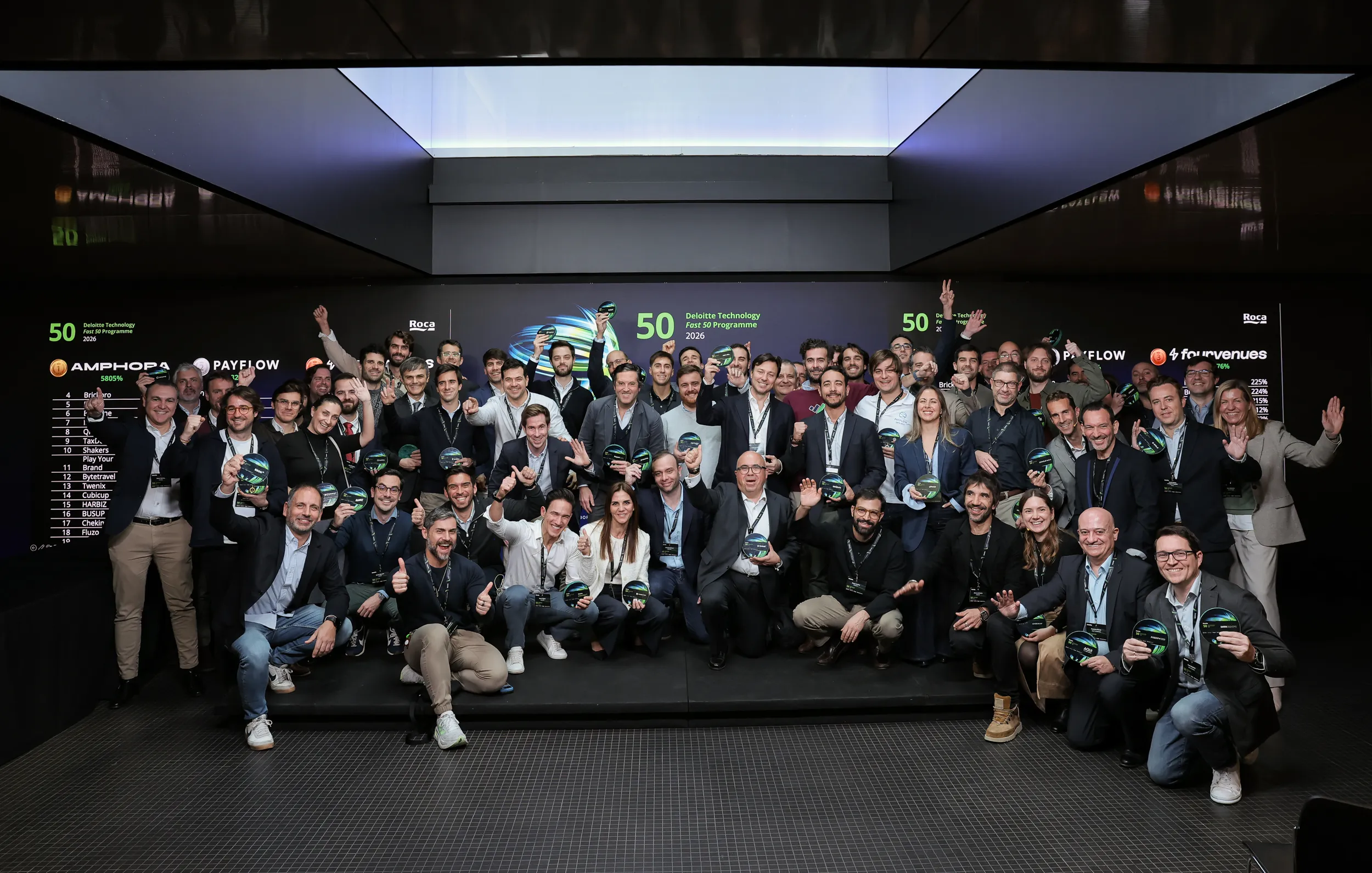
Deloitte has announced the results of the latest edition of the “Deloitte Technology Fast 50 Programme,” the prestigious ranking that identifies the 50 most scalable technology com
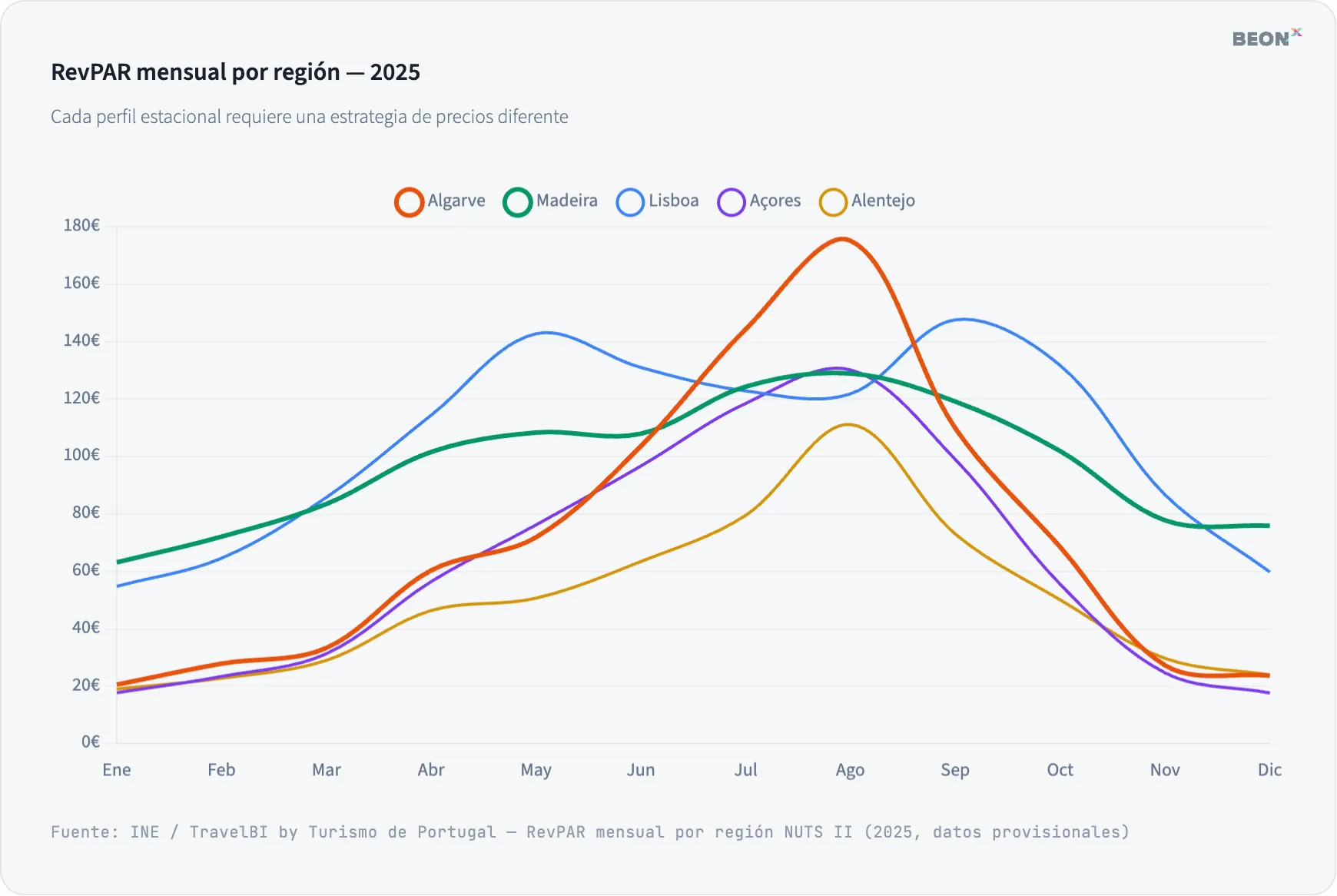
Growth that is losing momentum The hotel market in Portugal continues to break records year after year, but the data reveals a more nuanced reality, a RevPAR of €72.38, growth of +
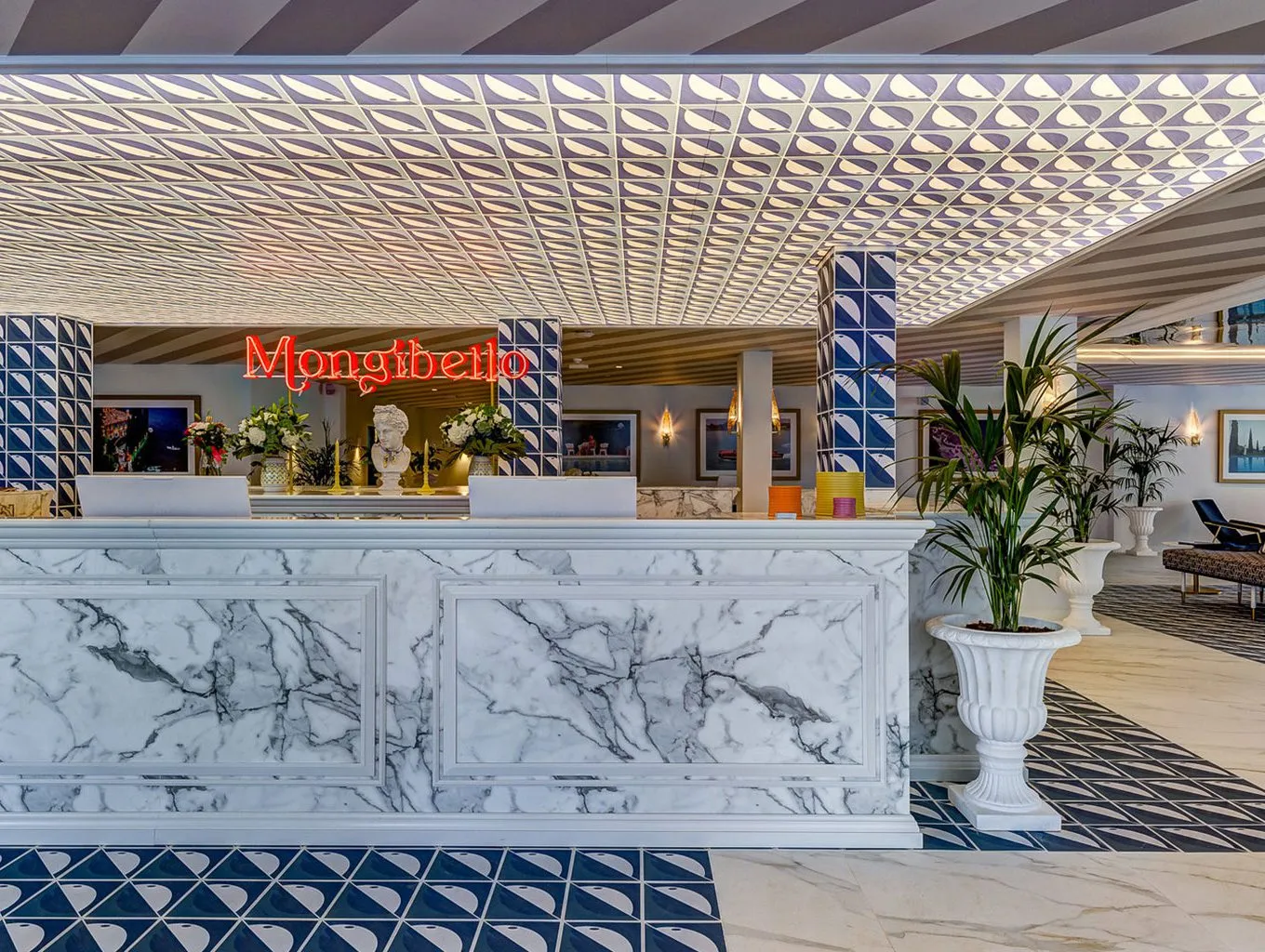
Concept Hotel Group boosts revenue performance with BEONx through automation, Smart Range, and data-driven decision-making.

From intuition to intelligence: how Kora Living achieved 20% RevPAR growth and built a smarter, data-driven revenue strategy with BEONx.

Colombia’s hotel industry is evolving fast. Learn how to anticipate demand, use AI to optimize pricing, and compete on value rather than price. A vision of the future of revenue management from BEONx, Lighthouse, and CloudBeds.

On September 15–16, 2025, BEONx participated in HSMAday 2025, held at the Maritim Hotel in Cologne. The event brought together over 500 professionals from the hospitality sector to

BEONx empowered Kali Hoteles team to move from reactive to proactive pricing strategies, detect market shifts early, and implement optimal pricing by room type—improving not just profitability but also internal collaboration and confidence. %
Redefine your pricing strategy with SmartRange by BEONx – the AI-powered model that stabilises rates, minimises volatility and boosts profitability beyond the compset.