
BEONx launches BEONx Spark, the first agentic RMS on the market
With BEONx Spark, hoteliers set the strategy and AI agents execute it across all their hotels. 24/7. Beyond RevPAR. Explaining every decision.


BEONx · Forecasting
The changing trends in hotel demand make it necessary to review our segmentation strategies and rate structure.
We are all aware that the last two years have been far from normal for everyone, on each single market, but as a Revenue Manager, I cannot help but worry about the hospitality sector.
Since 2019, we have been through different stages, going from worrying about our hotels ADR, to dealing with the cancellations during lockdown, to completely changing our way to do Revenue Management due to the peak on Last Minute bookings during the last months. This made me realise that the rate structure and strategy I use to follow in 2019 was completely useless and needed readjusting.
Same as you, I have been reading articles about the changes of trend for different markets, and according to STR, Corporate demand is slowly returning across Europe as well as Groups Demand. This makes me think that our segmentation and rate structure might need reviewing.
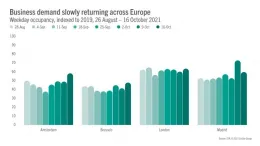
That said, we need to make sure that our RMS is ready to understand the change of trend and optimise accordingly.
I strongly believe that an excellent configuration is a MUST for each RMS, so that the AI will have good data to be able to Forecast and Recommend accordingly. For this reason, we want to help you with your hotel configuration.
Before starting to work on our segmentation, we should be aware of the aspects to bear in mind in order to identify segments correctly and effectively. We need to identify client groups based on their response to marketing strategies: each identified segment should be differentiated from the rest by this behaviour.
In addition, the segments should be measurable and accessible via different communication channels. (Talón, González, & Segovia, 2012).
Depending on the business your hotel has, we recommend three macro-segments:
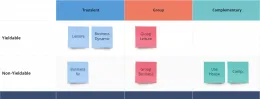
Once we have our macro-segments defined, we can start working on our Market segments for each macro segment, and consider whether the segment to analyse is Yieladble (is susceptible to changes on prices or restrictions) or not (conditions have been discussed and contracted for a period of time).
Once we have identified our market segments, we should identify on what channels we are selling our spaces.
In order to identify where your reservations are coming from, we suggest the following channels:
With double segmentation, you will be sharing all the reservations information with your RMS, and this will be able to help you optimize your strategy, and what is even more important, your time. This is only the first step towards hyper-personalization.
From segmentation to hyper-personalization
Download your ebook to learn more about segmentation.
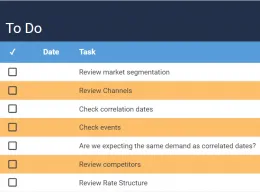
Once we have reviewed our segments and channels, we should make sure that we are happy enough with the correlation dates the RMS is taking as reference, especially for the medium and long term.
We all know how important it is to do a comparison like for like, as it wouldn’t make sense otherwise. When I think of correlation dates, the first example that comes to mind is Easter, as it is in a different week every year, irritating but hey ho! It is the way it is, and we all love that little random break.
Back to the topic, when we are comparing Easter week, we know that we cannot just take away 324 days of each day; we need to check the calendar and find out when the last good-to-compare-Easter was, and we also want to keep an eye on the YoY comparison. This makes manual Revenue Management quite complicated and we end up missing opportunities on our strategy.
When using a RMS, all we need to do is tell the system what the comparable dates are, including shoulder nights, and it will do the comparison for you. But not only the comparison, will forecast and recommend price and restrictions so you will maximize your hotel RevPAR, so that you can focus on monitoring your rates and segments strategically.
NOTE: From BEONx, we not only recommend correlating dates by the total finishing position, but by the business mix and booking pace too.
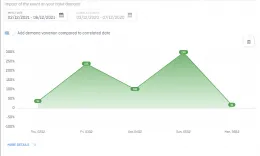
If we define an event as something different to the ordinary that will affect in some way the demand of our hotel, then it is to expect the previously mentioned correlation date might need reviewing, as well as the expected demand for this day, comparing it with the correlation date.
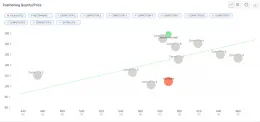
As we are reviewing our hotel, we need to take into consideration whether our competitors are the same as they have been in the last two years, or whether they need reviewing. The same way as we would not compare a Fiat with a Tesla, even though they are both car brands, we can not compare with any hotel that it is around our hotel, as the public for it might be different to the one we are expecting in our hotel.
Following this principle, us in BEONx use HQI, which not only takes into account the selling price but the objective quality and the reputation of our hotel and the competitors. In this way, we will always recommend the best price that combines sales opportunities and RevPAR maximization, ensuring loyalty from your guests.
You can find more information about our HQI in this ebook.
Last but not least, once we have reviewed our Segments, channels, correlation dates, and competitors, we need to make sure that our rate structure is the right one for what we are expecting this new and exciting year.
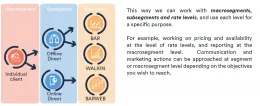
In this way, we want to have a very clear rate structure linked properly to our segmentation, such as shown below:
Read more about improving your hotel’s pricing strategy in this article.
As 2022 is just around the corner, making sure we have our structure up to scratch, we will be ready for a change of trend and our way to our old-normal.
With BEONx Spark, hoteliers set the strategy and AI agents execute it across all their hotels. 24/7. Beyond RevPAR. Explaining every decision.

Deloitte has announced the results of the latest edition of the “Deloitte Technology Fast 50 Programme,” the prestigious ranking that identifies the 50 most scalable technology com
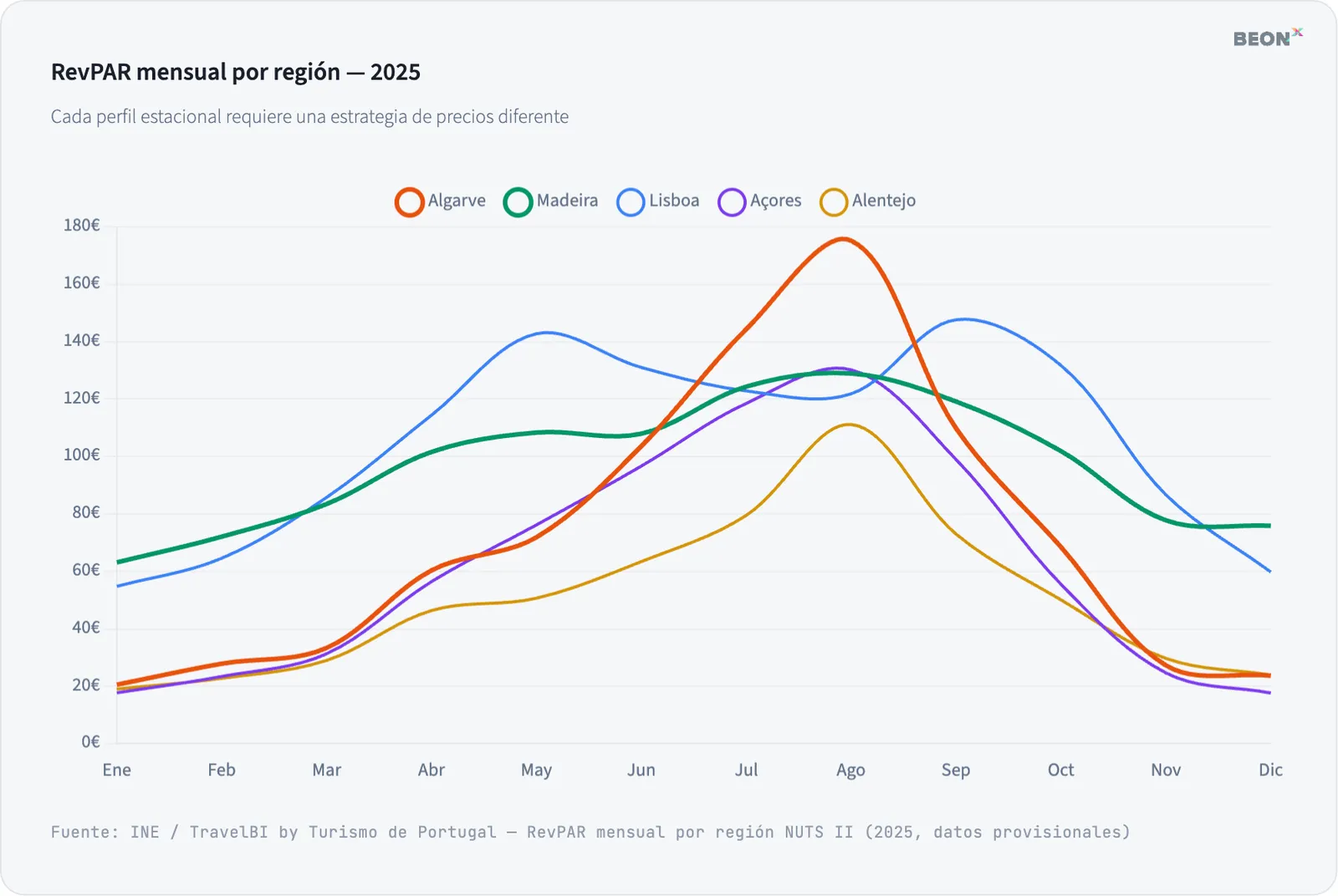
Growth that is losing momentum The hotel market in Portugal continues to break records year after year, but the data reveals a more nuanced reality, a RevPAR of €72.38, growth of +
Speak with one of our dedicated hotel experts and get started on your journey to sustainable profitability.
Other Articles

Learn how Lungarno Collection increased ADR by 5-10% and automated pricing strategies using BEONx AI-driven Revenue Management System.

How Omena Hotels strengthened profitability and improved RevPAR through automation, forecasting and real-time pricing intelligence with BEONx.
Deloitte has announced the results of the latest edition of the “Deloitte Technology Fast 50 Programme,” the prestigious ranking that identifies the 50 most scalable technology com
Growth that is losing momentum The hotel market in Portugal continues to break records year after year, but the data reveals a more nuanced reality, a RevPAR of €72.38, growth of +
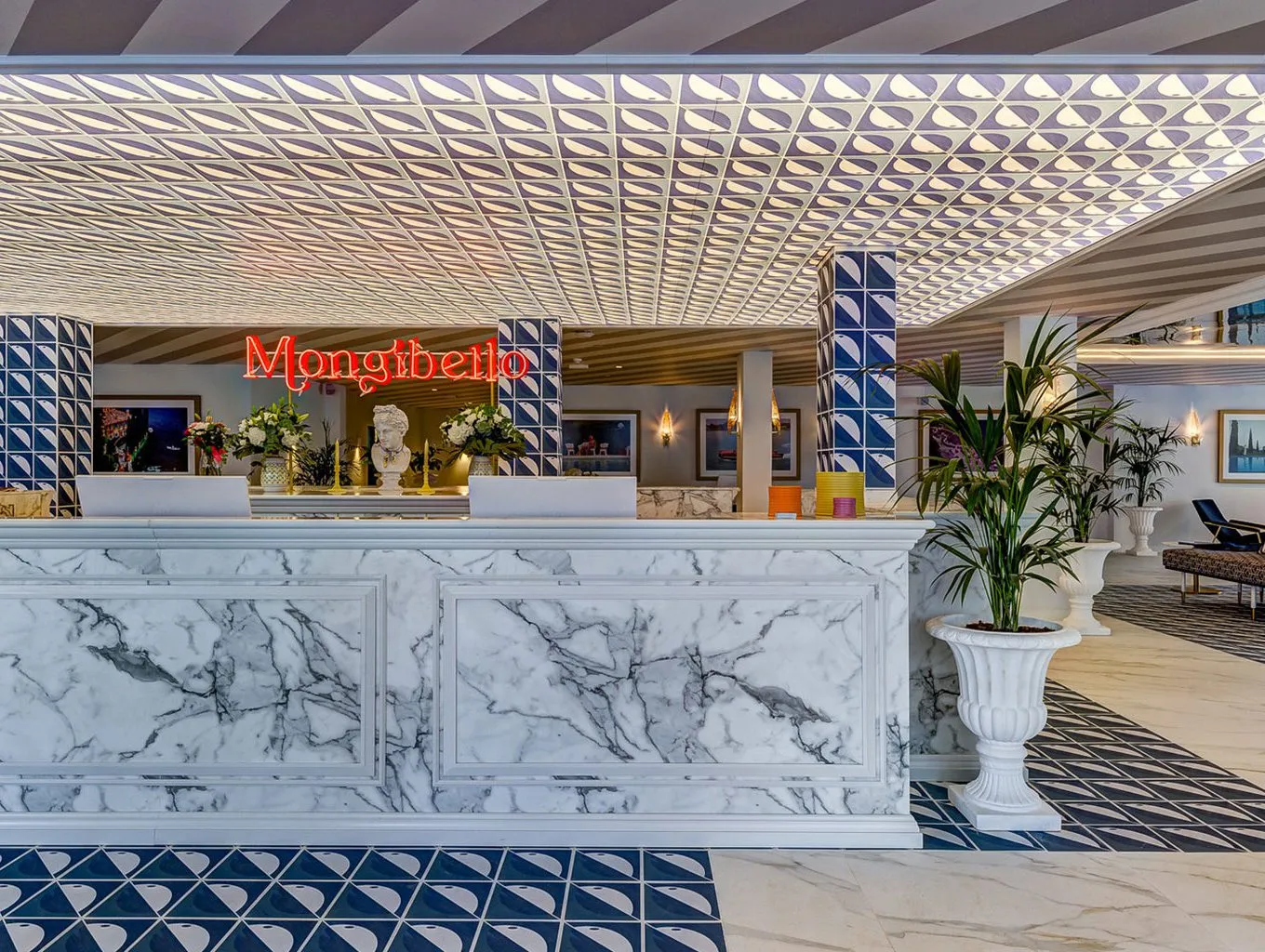
Concept Hotel Group boosts revenue performance with BEONx through automation, Smart Range, and data-driven decision-making.

From intuition to intelligence: how Kora Living achieved 20% RevPAR growth and built a smarter, data-driven revenue strategy with BEONx.

Colombia’s hotel industry is evolving fast. Learn how to anticipate demand, use AI to optimize pricing, and compete on value rather than price. A vision of the future of revenue management from BEONx, Lighthouse, and CloudBeds.
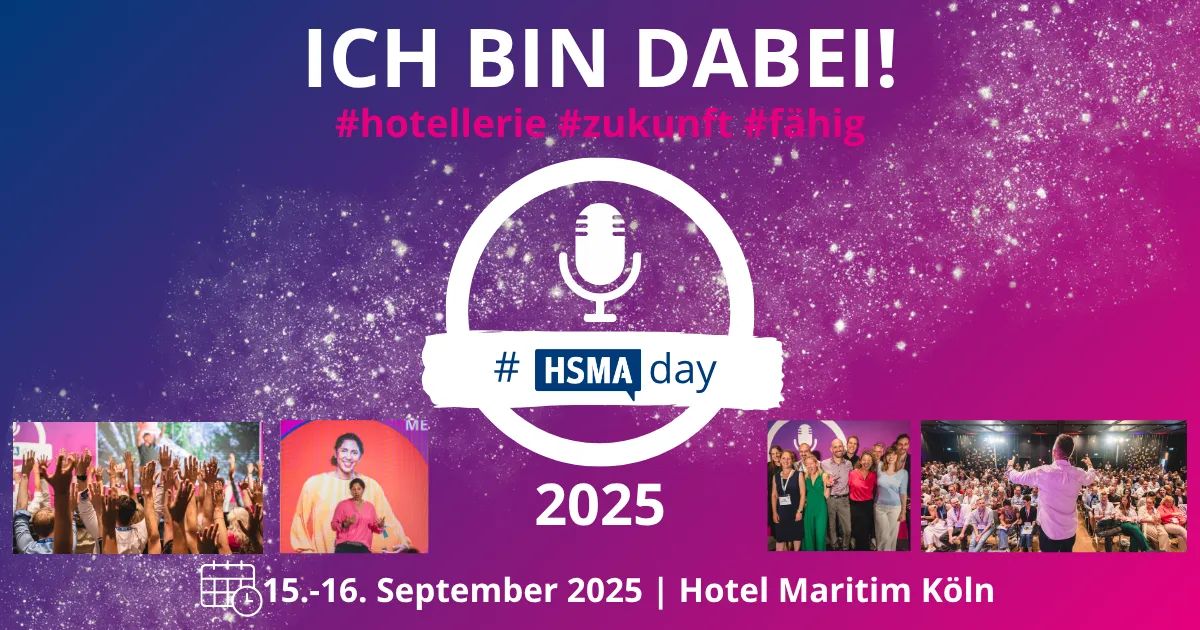
On September 15–16, 2025, BEONx participated in HSMAday 2025, held at the Maritim Hotel in Cologne. The event brought together over 500 professionals from the hospitality sector to

BEONx empowered Kali Hoteles team to move from reactive to proactive pricing strategies, detect market shifts early, and implement optimal pricing by room type—improving not just profitability but also internal collaboration and confidence. %

Redefine your pricing strategy with SmartRange by BEONx – the AI-powered model that stabilises rates, minimises volatility and boosts profitability beyond the compset.