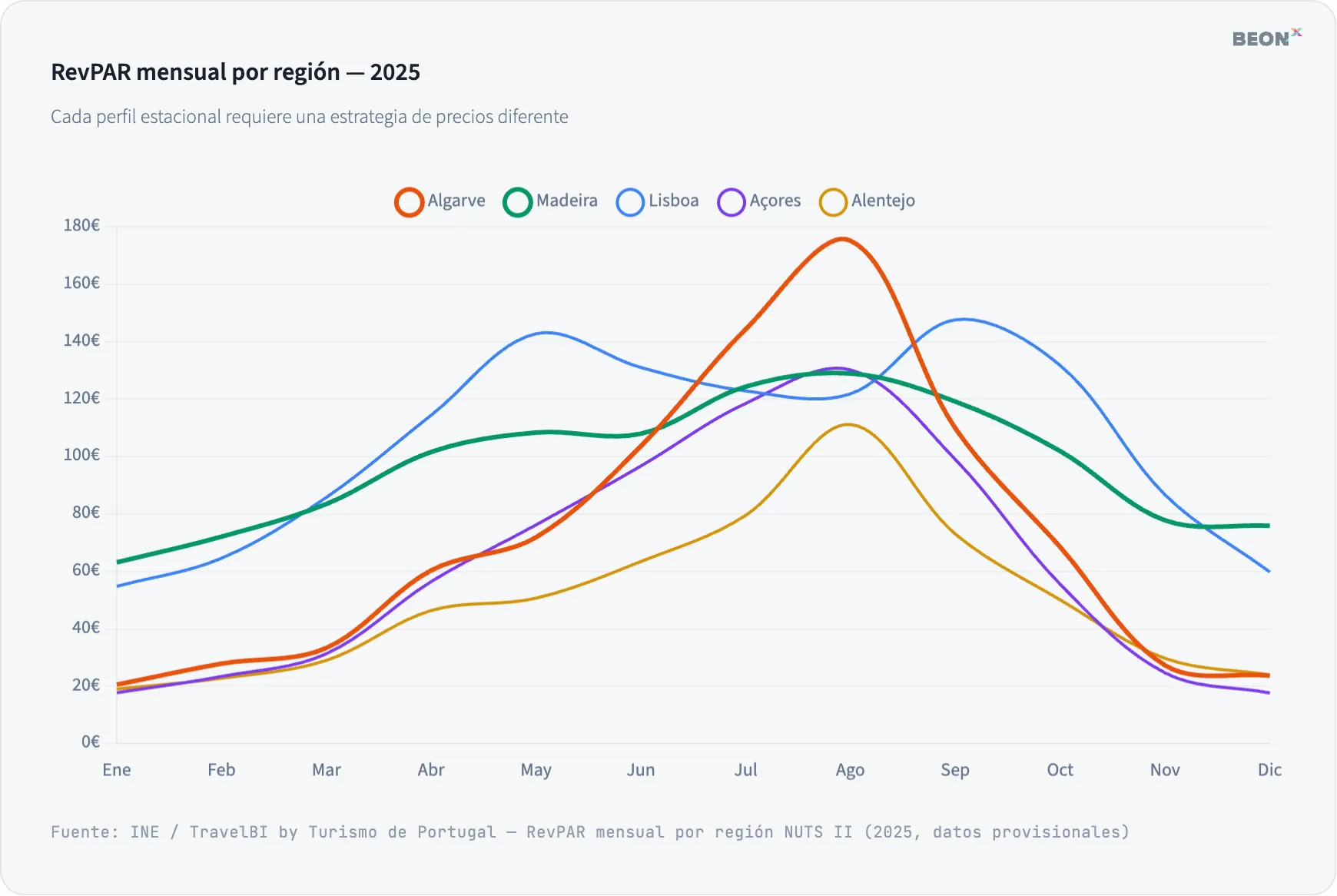
The Portuguese hotel market can no longer grow as it used to
Growth that is losing momentum The hotel market in Portugal continues to break records year after year, but the data reveals a more nuanced reality, a RevPAR of €72.38, growth of +


What a data-driven strategy is, and how the right tech stack and tools can help you access measurable results to react to market.

When it comes to revenue management, using a data-driven strategy can have a huge impact on the level of success you achieve. Creating an optimised tech stack that provides you with valuable insights and access to the right AI tools for analysing this data can greatly improve your decision-making processes. This is mainly because you are able to make data-driven decisions about your business based on hard facts rather than feelings and instinct.
In this guide, we are going to discuss what a data-driven strategy is, and how the right tech stack and tools can help you access meaningful and measurable results that help you anticipate and react to market trends.
The technological revolution has enabled us to improve the way a variety of businesses handle data and respond to market demand. In terms of the hotel industry, this technology is allowing us to digitalise our processes, connect better with our guests, and make better-informed decisions in line with fluctuating demand.
And this is precisely what a data-driven strategy is all about.
With a data-driven strategy, you use an optimised tech stack to collect information from a variety of internal and external data sources. By using the right artificial intelligence and hotel management software tools, you can improve the way you collect all data relating to your business. This includes performance data, market data, and competitor data.
A data-driven strategy enables you to use these valuable insights to understand, interpret and anticipate current and future demand trends. It also helps you to reduce damaging information silos at an internal level. That way, every area of your business is working in alignment. And this, in turn, makes it much easier to make unified strategic decisions based on specific data analysis so that you can optimise your prices, meet guest expectations, and secure a higher level of revenue growth.
Why? Because the decisions you make are based on business intelligence rather than gut instinct. And this makes them far more reliable and accurate.
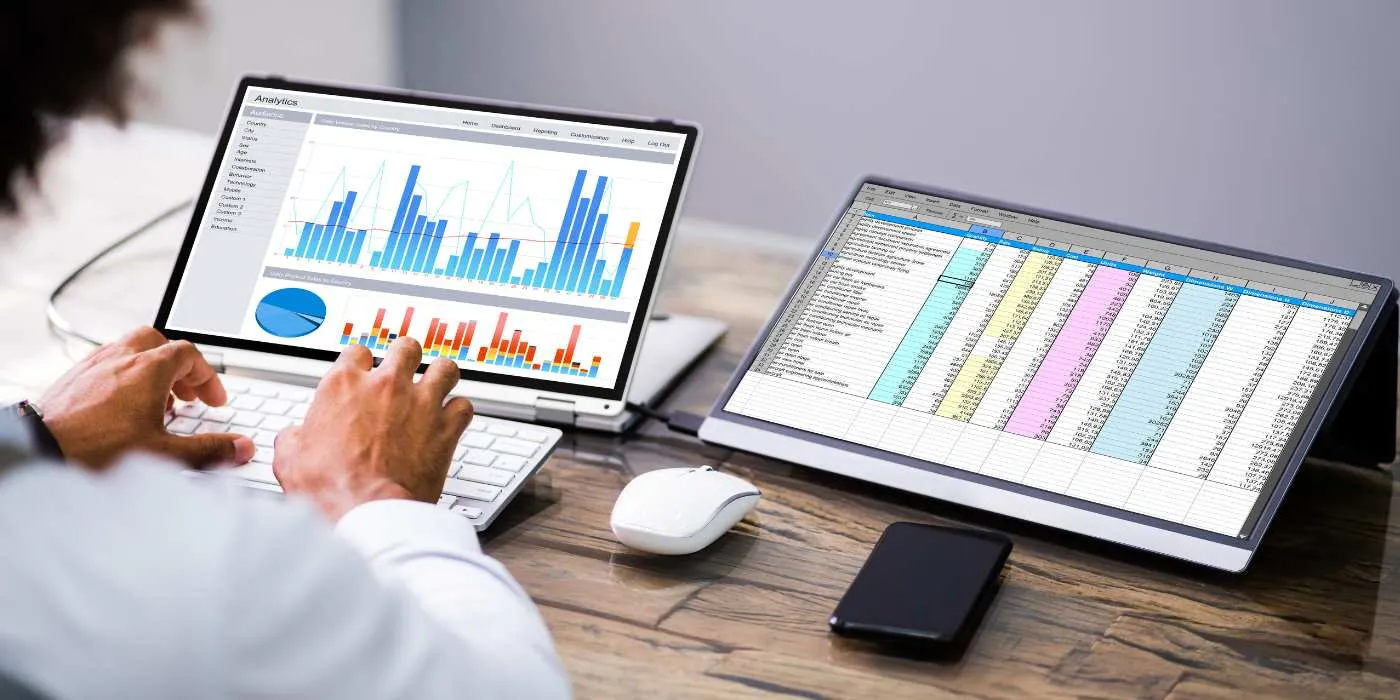
Data management helps you accurately interpret the current state of your business and predict future market and demand trends. This not only helps you make better strategic decisions, but the right technology also provides you with a valuable data source that helps you meet your objectives (such as strategic pricing recommendations, for example).
Let’s take a look at a few examples of how following a data-driven strategy can help you anticipate and react to market trends.
An optimised tech stack gives you access to real-time KPIs relating to your business. This includes your ADR, occupancy rates, RevPAR, GOPPAR, RevPAM, RevPASH and TRevPOR. The right KPIs are also vital for understanding your competitors, your online reputation, and market demand fluctuations. You can then use all these metrics to define your target guest segments and create a data-driven strategy based on the right prices, the right marketing approach, and the right business objectives.
What’s more, by using AI tools to automate your KPI data collection and analysis processes, you free up valuable time that your team can spend developing optimised revenue management strategies for your hotel.
A data-driven strategy gives you access to actionable market insights so that you understand which trends are likely to impact demand. For example, the right tools can alert you in advance to upcoming events or seasonal changes that might result in high-demand periods. That way, you can anticipate this demand and optimise your rates accordingly instead of making last-minute reactive changes based on instinct.
Finally, a data-driven strategy can help you improve your forecasting abilities so that you can anticipate and react to market trends and demand signals and get ahead of your competitors. This is a far more effective strategy than relying solely on your historical data. This is because markets are far more volatile and fluid these days so it’s not always easy to predict demand based on past experience.
The right tech stack can help you identify and analyse customer behaviour patterns and accurately predict how the market is likely to evolve in the short and long term. It can also help you identify revenue opportunities and better understand your guest journey so that you can implement the right data-driven strategy to enhance your guest experience and increase the customer lifetime value of each of your market segments. And this is the key to building a loyal customer base that generates large-scale revenue growth for your hotel.
Growth that is losing momentum The hotel market in Portugal continues to break records year after year, but the data reveals a more nuanced reality, a RevPAR of €72.38, growth of +

As a hotelier, it’s vital that you understand the concept of willingness to pay as it helps you identify the value that guests place on your rooms and services. You can then use th

Maintaining a strong online reputation is crucial in the hospitality industry. It helps you secure your market positioning and reassures potential customers that you are offering v
Speak with one of our dedicated hotel experts and get started on your journey to sustainable profitability.
Other Articles

Learn how Lungarno Collection increased ADR by 5-10% and automated pricing strategies using BEONx AI-driven Revenue Management System.
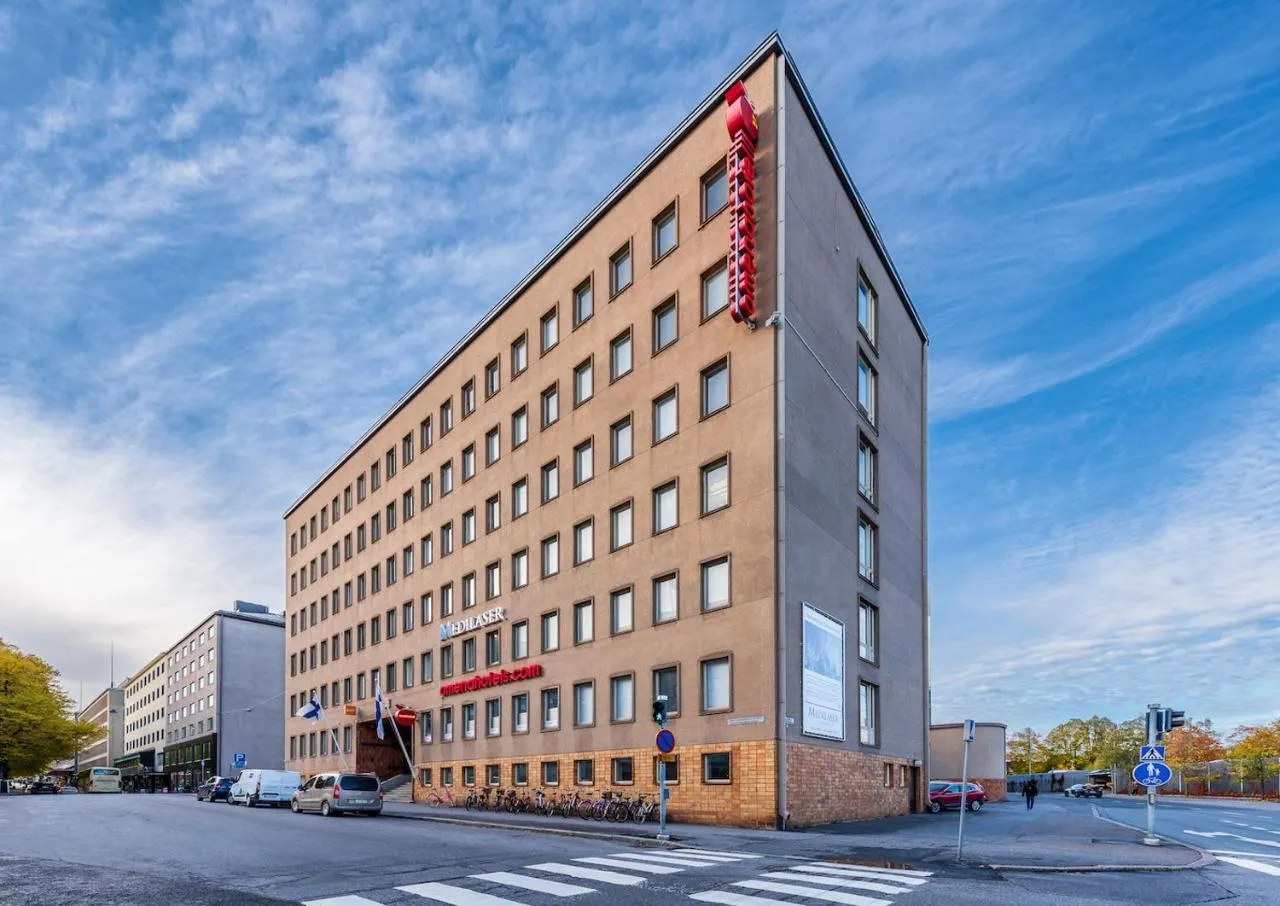
How Omena Hotels strengthened profitability and improved RevPAR through automation, forecasting and real-time pricing intelligence with BEONx.
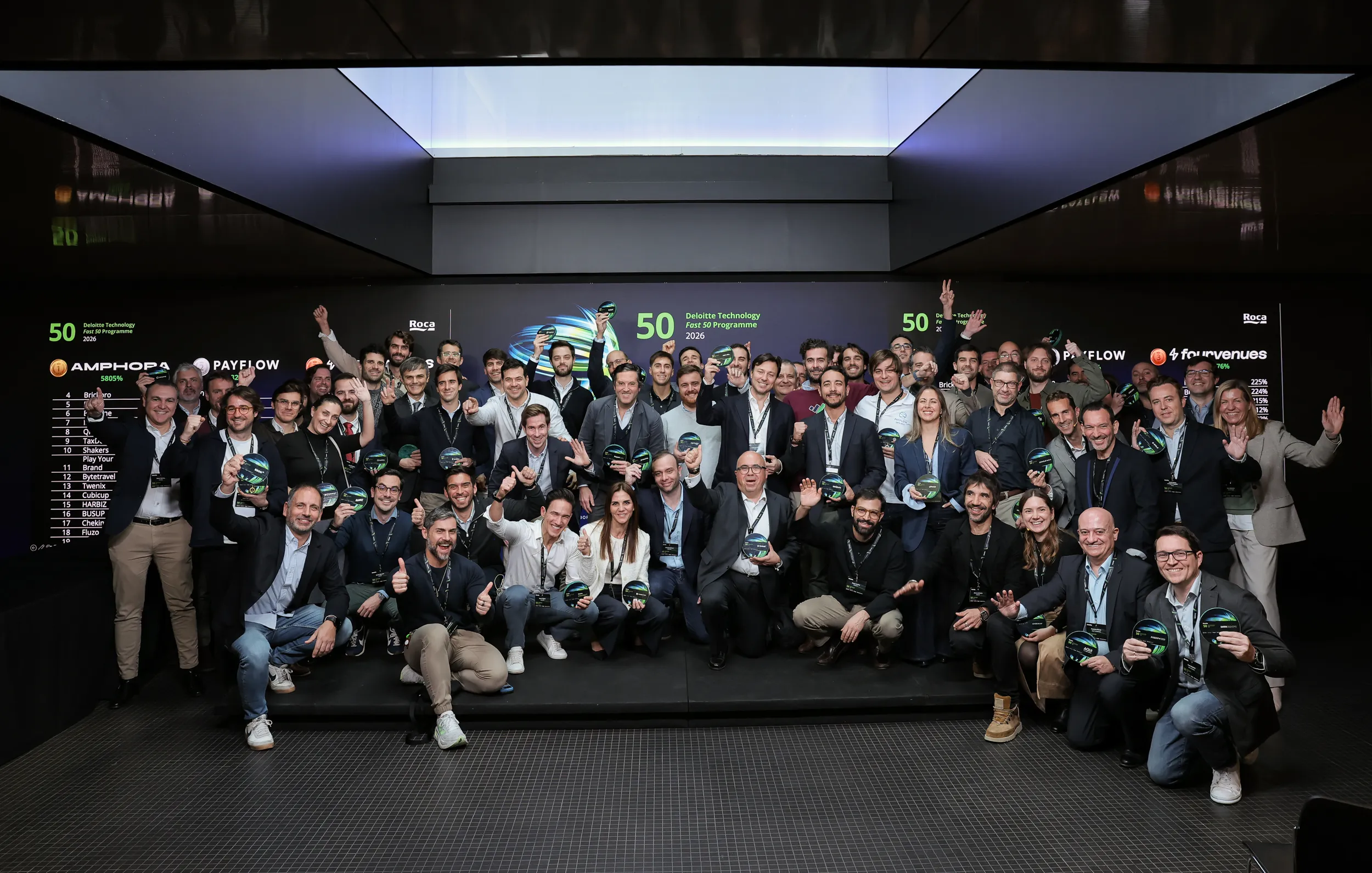
Deloitte has announced the results of the latest edition of the “Deloitte Technology Fast 50 Programme,” the prestigious ranking that identifies the 50 most scalable technology com
Growth that is losing momentum The hotel market in Portugal continues to break records year after year, but the data reveals a more nuanced reality, a RevPAR of €72.38, growth of +
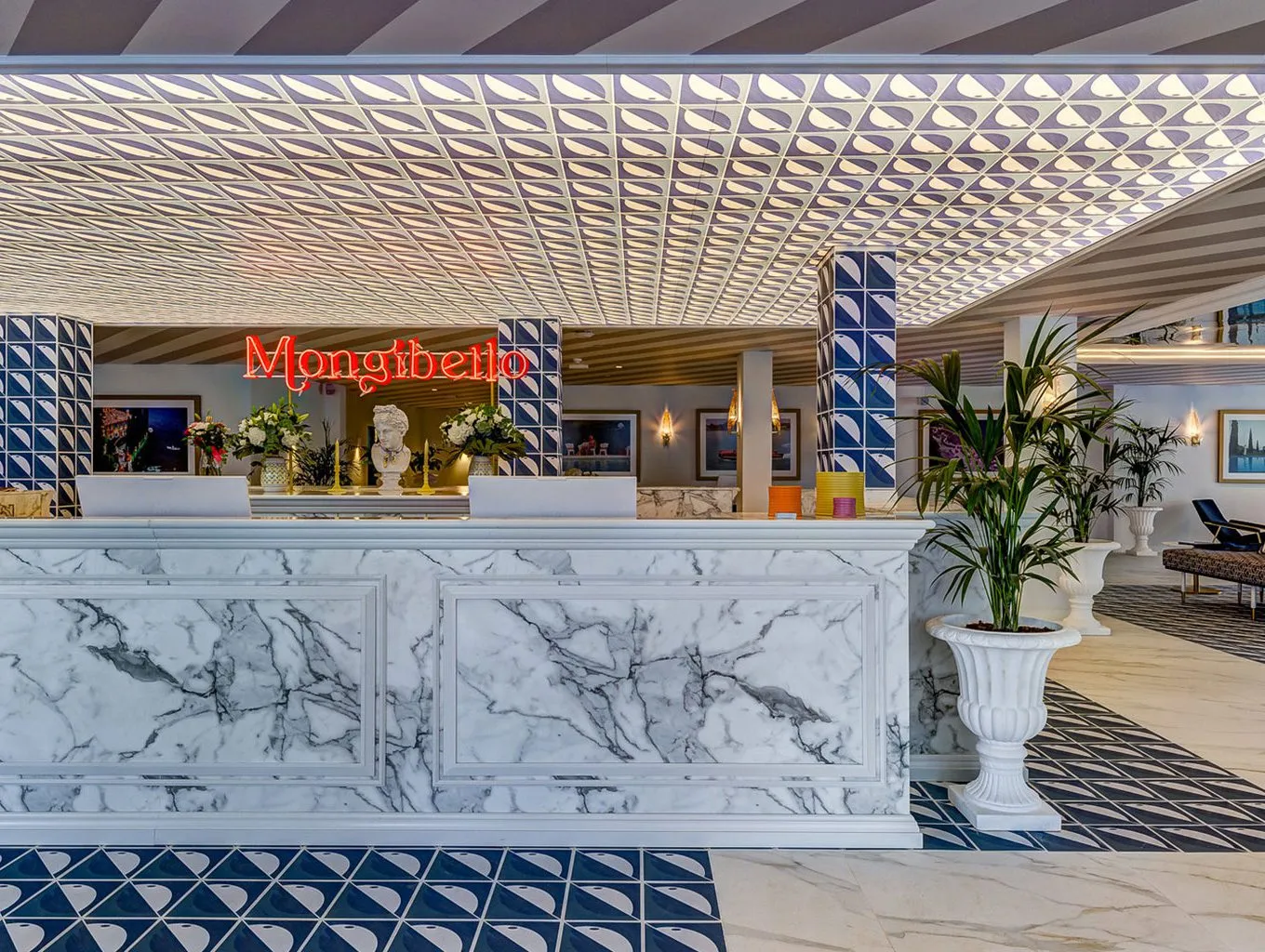
Concept Hotel Group boosts revenue performance with BEONx through automation, Smart Range, and data-driven decision-making.

From intuition to intelligence: how Kora Living achieved 20% RevPAR growth and built a smarter, data-driven revenue strategy with BEONx.

Colombia’s hotel industry is evolving fast. Learn how to anticipate demand, use AI to optimize pricing, and compete on value rather than price. A vision of the future of revenue management from BEONx, Lighthouse, and CloudBeds.
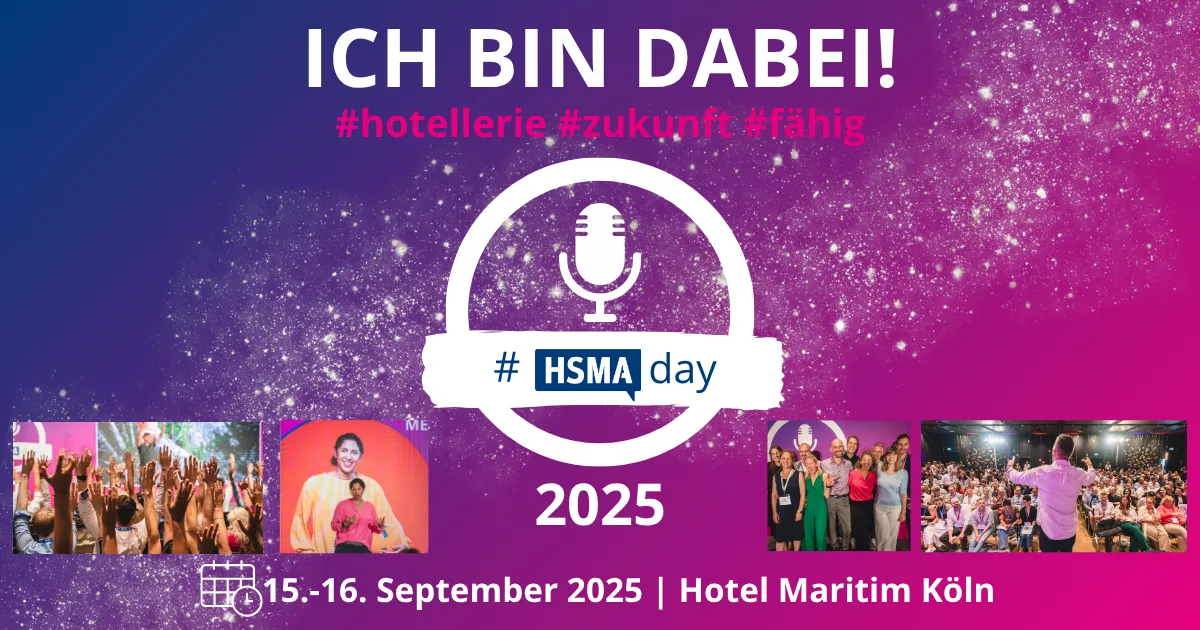
On September 15–16, 2025, BEONx participated in HSMAday 2025, held at the Maritim Hotel in Cologne. The event brought together over 500 professionals from the hospitality sector to

BEONx empowered Kali Hoteles team to move from reactive to proactive pricing strategies, detect market shifts early, and implement optimal pricing by room type—improving not just profitability but also internal collaboration and confidence. %

Redefine your pricing strategy with SmartRange by BEONx – the AI-powered model that stabilises rates, minimises volatility and boosts profitability beyond the compset.