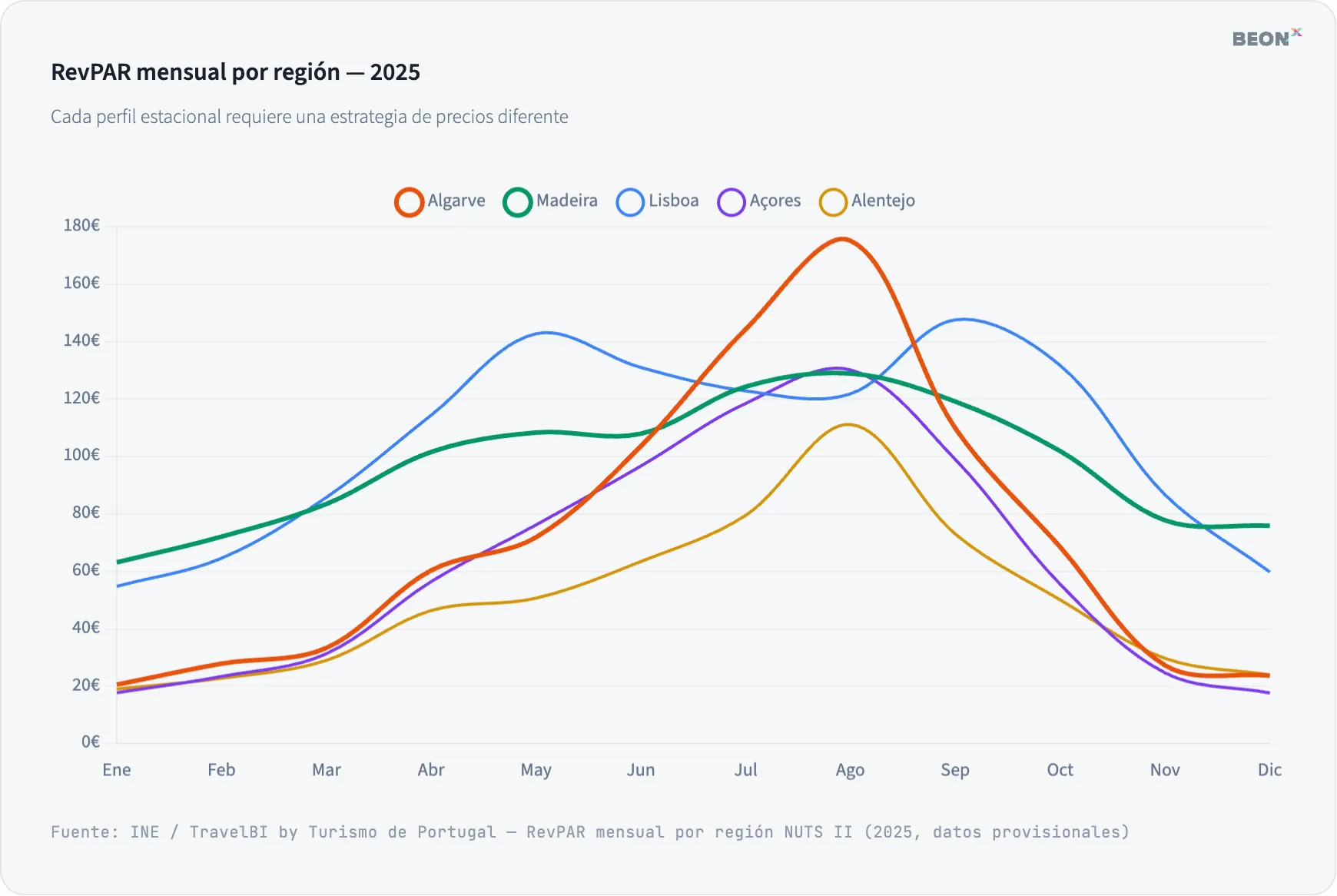
The Portuguese hotel market can no longer grow as it used to
Growth that is losing momentum The hotel market in Portugal continues to break records year after year, but the data reveals a more nuanced reality, a RevPAR of €72.38, growth of +


COVID-19 · Market trends
Explore the post-COVID surge in Colombia's hotel prices and the factors driving the unprecedented rise and anticipated stabilization.
After the COVID period, there has been an unprecedented situation in hotel prices in Colombia. The increase in lodging prices from 2022 to mid 2023 has been unprecedented, reaching levels 7 or 8 times higher than the average growth of the last 15 years.
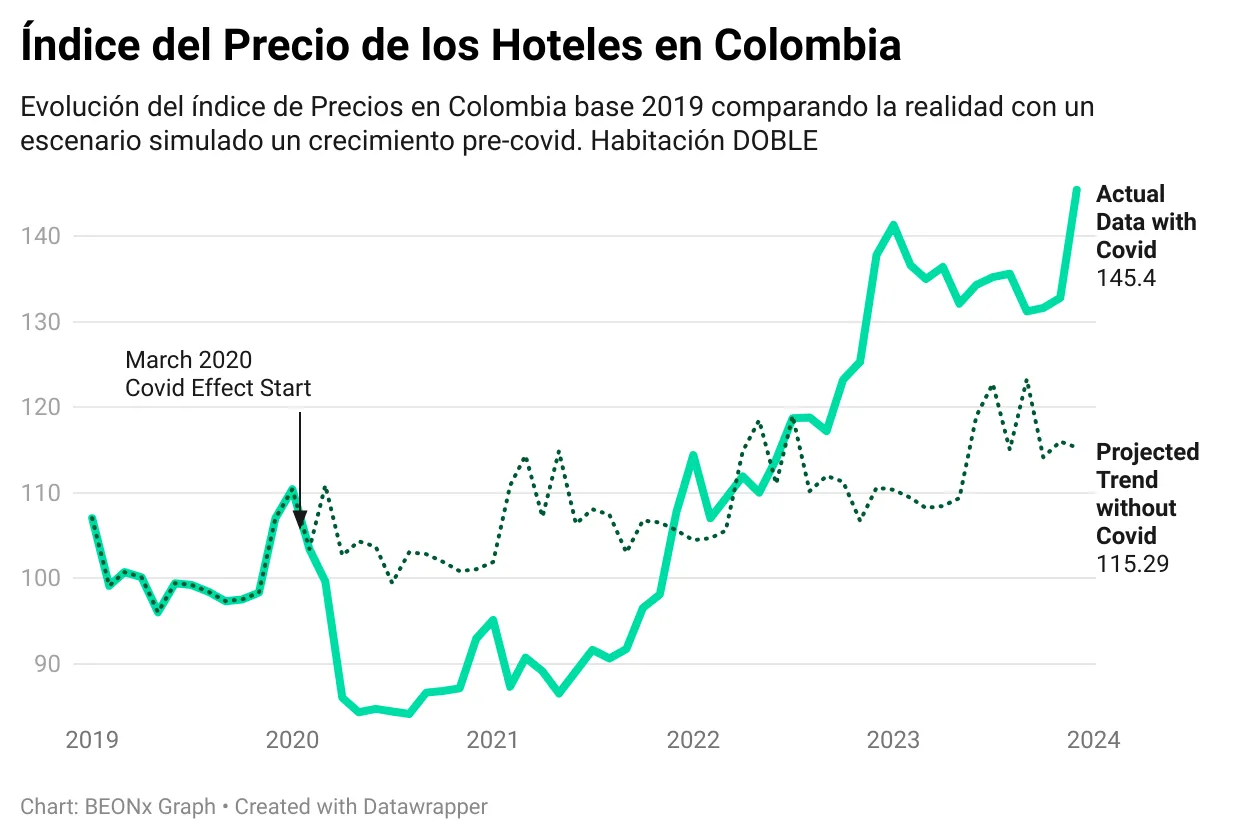
In a simulation exercise, from March 2020 to January 2024, an approximate growth of 15% could have been expected, projecting an average annual trend between 3.5 and 4%. However, in this same period, the real price increase has been 41.4%, close to x3 of the projected growth. This increase -due to multiple factors- has begun to mitigate in recent months, gradually returning to a situation with increasingly moderate increases, leaving behind the post-covid hypergrowth.
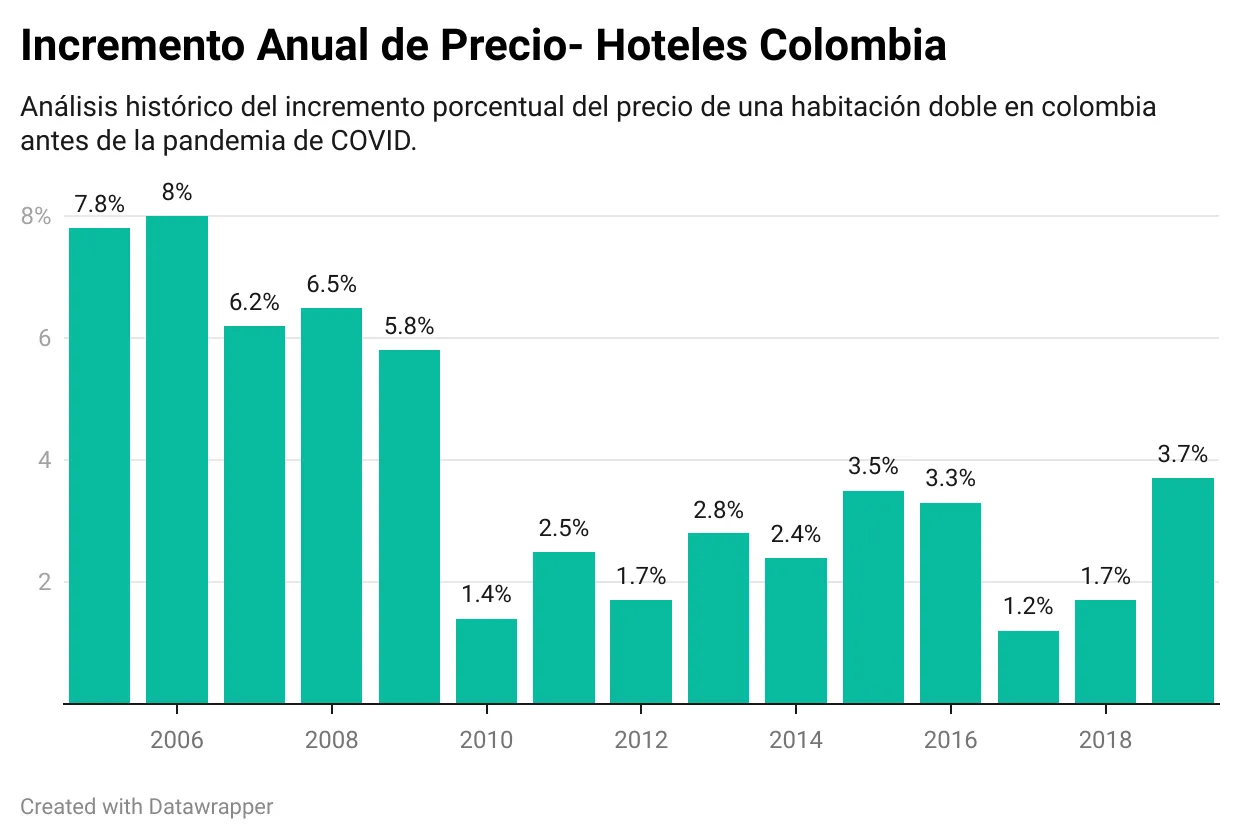
Since 2004, hotel price growth has been moderating, going through different phases. Until 2009, the annual increase was well over 5%, but from that year onwards, the increases were declining, reaching a maximum growth of 3.7% reached in 2019, just at the gates of the pandemic.
In March 2020, all historical trends underwent an abrupt change: pandemic, quarantine, health emergency, travel restrictions, limits on opening hours and hotels collaborating with health authorities in any way they could (opening their doors to workers, accommodating the sick, etc.). In those times, the humanitarian aspect was the only important thing, and income and profitability took a back seat. Many hotels had to close for extended periods, and those that remained open experienced a significant drop in prices, as the travel and tourism industry was one of the most impacted by the pandemic.
In the 12 months following COVID, predictably, occupancies declined dramatically and hotels had to lower their rates. The average price dropped by approximately 10% from previous levels, returning to 2014 prices. In just a few months, the growth of the previous five years had been lost.
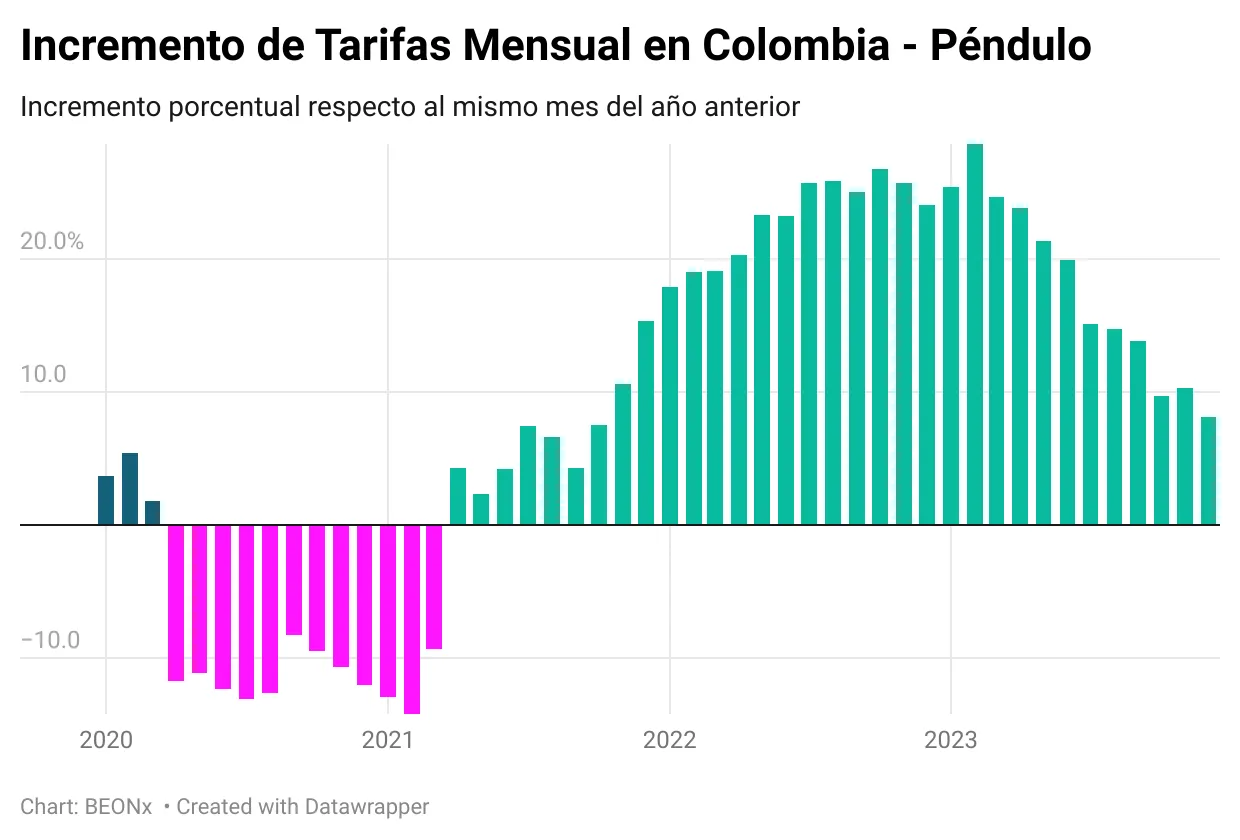
However, after a pandemic year, the trend changed drastically, and prices rose again. It seemed evident that rates would rise again slightly to correct this price decline, but these positive trends reached levels never seen in the past, and continued to lengthen over time, reaching pre-pandemic levels in 2022. In addition, annual growth continued to increase, reaching a 20% annual increase in prices, and far surpassing 2019 values. The price in December 2023 was 41% higher than the price before the pandemic, tripling the expected growth.
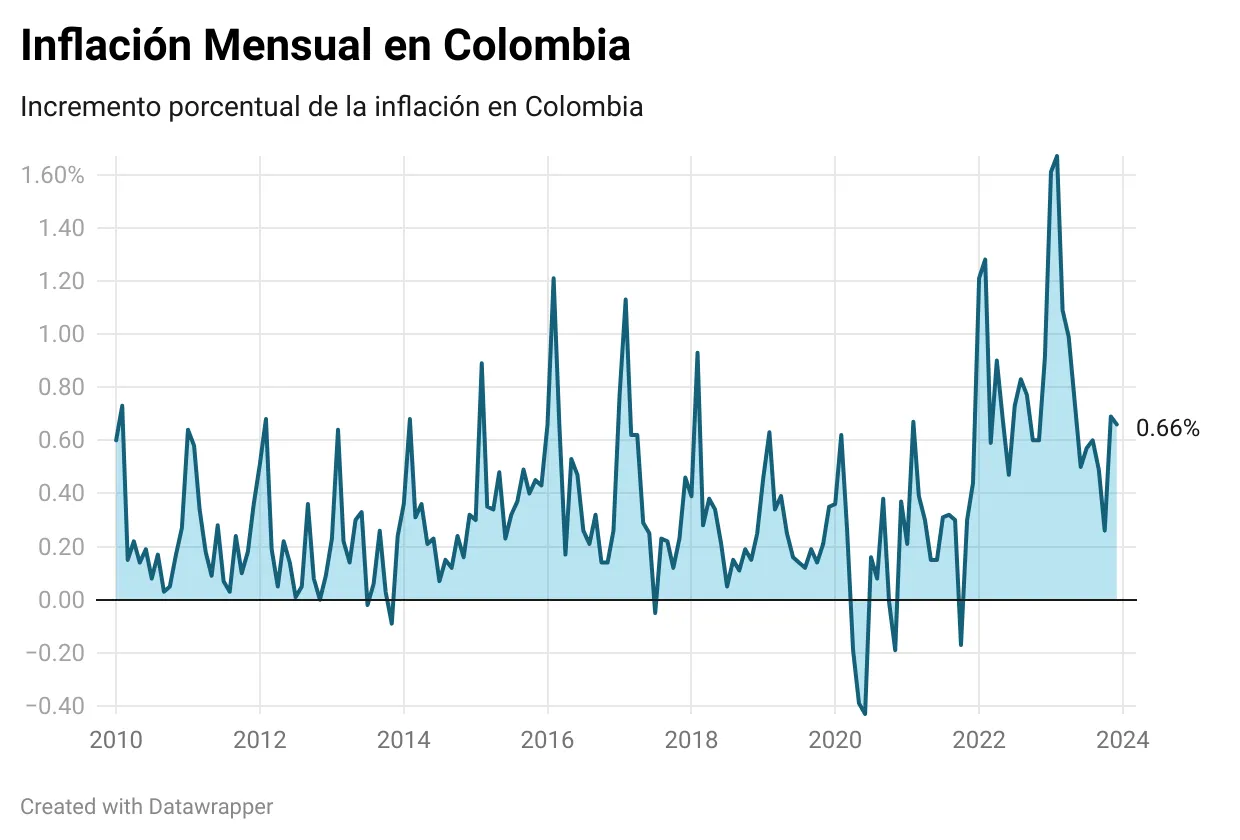
The first reason is simple: the recession due to COVID established prices adapted to an anomalous situation, but it seemed obvious that if normality was restored, prices should correct this decline in ADR (Average Daily Rate). In addition, government measures to recover pre-crisis values increased inflation, and Colombia during this period reached significant levels (Figure 3). This translates into higher costs for hotels, having to adapt their rates to the new cost of living.
Another fundamental aspect is the demand factor in the return to “normalcy” after the pandemic. Tourists wanted to make up for lost time and had the desire to travel more, and further, after all that time under confinement. This fact, combined with the interest on the part of hotels to make up for lost revenue, caused occupancy to grow rapidly, even at higher prices. Other factors, such as the positioning of Colombia as a fashionable tourist destination, and the exchange rate of the Colombian peso against other currencies, making travel more affordable for foreigners, were also determining factors in this growth.
Although there is a great deal of uncertainty in predictions over distant horizons, there are a number of factors that allow us to explore possible scenarios that will occur in the short and medium term.
Historically, the hotel industry has experienced cycles of rapid expansion followed by more moderate growth, leading to price stabilization. In fact, as in nature, every extreme situation tends to seek equilibrium over time, like the swing of a pendulum. According to this premise, these prices could be expected to stabilize gradually in the long term, following the trend of the last few months and reaching a calmer outlook after the storm.
Most of the factors that produced the growth are stabilizing since mid-2023 and we can already appreciate the dampening of the trend in growth. Although currently growth values are still close to 8%, which are high, it seems that we will soon reach values close to pre-covid times, between 0 and 5% increase.
Although everything seems to indicate that we are moving towards a more moderate scenario, we cannot rule out that uncertainty in external factors and demand behavior may generate different situations than expected:
In the world of revenue management, setting room rates so far in advance is a major challenge, especially in times when the outlook is so fluctuating. In the hotel industry, it’s not just your own hotel’s situation that affects profitability, but a number of different macro factors: from economic downturns and technological challenges to demographic shifts, changes in the political landscape and socio-cultural trends. Understanding and predicting these factors in advance can be the key to a successful strategy over time and optimize pricing and hotel operations. The right revenue management strategy can be the determining factor that makes the difference between profitability and loss for a hotel.
The positive side of pricing well in advance is that it is a thermometer of potential future demand. The sale of reservations, and the price of these as they are produced, will allow us to have information to adapt dynamically to this incoming demand. Through revenue management techniques, we can adjust these prices, always following a clear strategy and taking advantage of multiple channels to maximize occupancy.
Traditionally, occupancy and ADR predictions have been based on recent data analysis, such as “Last Year”. With the Big Data revolution and the emergence of new trends we can use a multitude of different variables, applying a more holistic approach. This is where Artificial Intelligence (AI) takes on an essential role. Through predictive models and revenue optimization strategies, hotels can anticipate and adapt to the complexities of the market dynamically, and find at every moment that strategy that generates greater profitability.
On the road to the future of the hotel industry, the role of AI is indispensable. It transcends being a simple consulting tool to become a strategic ally, empowering hotels to navigate uncertainty and make decisions based on information that will allow them to increase their profitability in such a dynamic and competitive environment. Technology not only impacts Revenue Management; it also marks a differential experience for guests or optimizes operations within hotels, marking the beginning of a new era in hospitality.
Data sources: Departamento Administrativo Nacional de Estadística de Colombia
Growth that is losing momentum The hotel market in Portugal continues to break records year after year, but the data reveals a more nuanced reality, a RevPAR of €72.38, growth of +
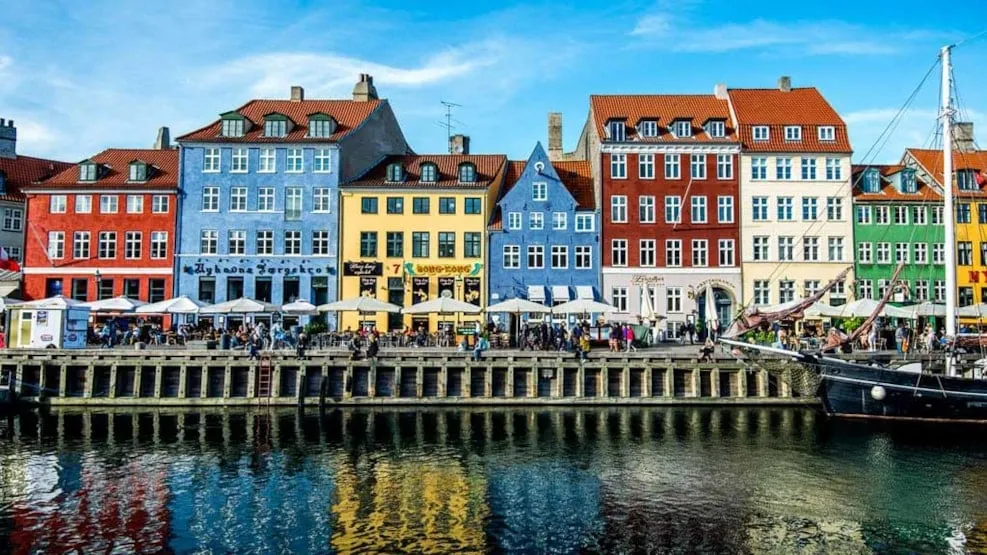
Nordic capitals’ hotel revenues continue growing in 2024, with a more sustainable pace following the exceptional surge post-pandemic in 2023.

Unlock key strategies for hoteliers in Mexico. Learn how to leverage market insights, adapt to digital trends, and boost sustainable growth.
Speak with one of our dedicated hotel experts and get started on your journey to sustainable profitability.
Other Articles
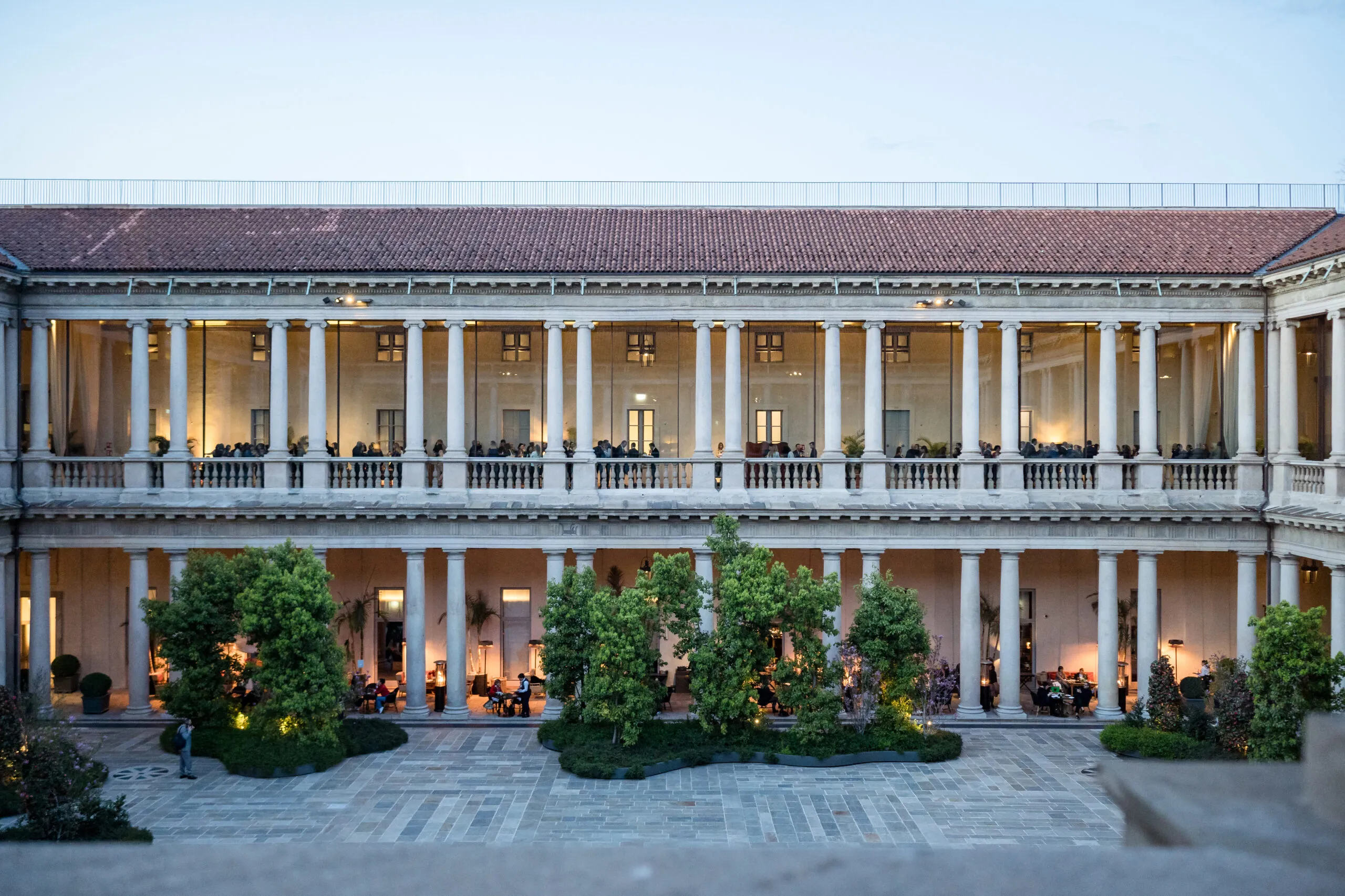
Learn how Lungarno Collection increased ADR by 5-10% and automated pricing strategies using BEONx AI-driven Revenue Management System.
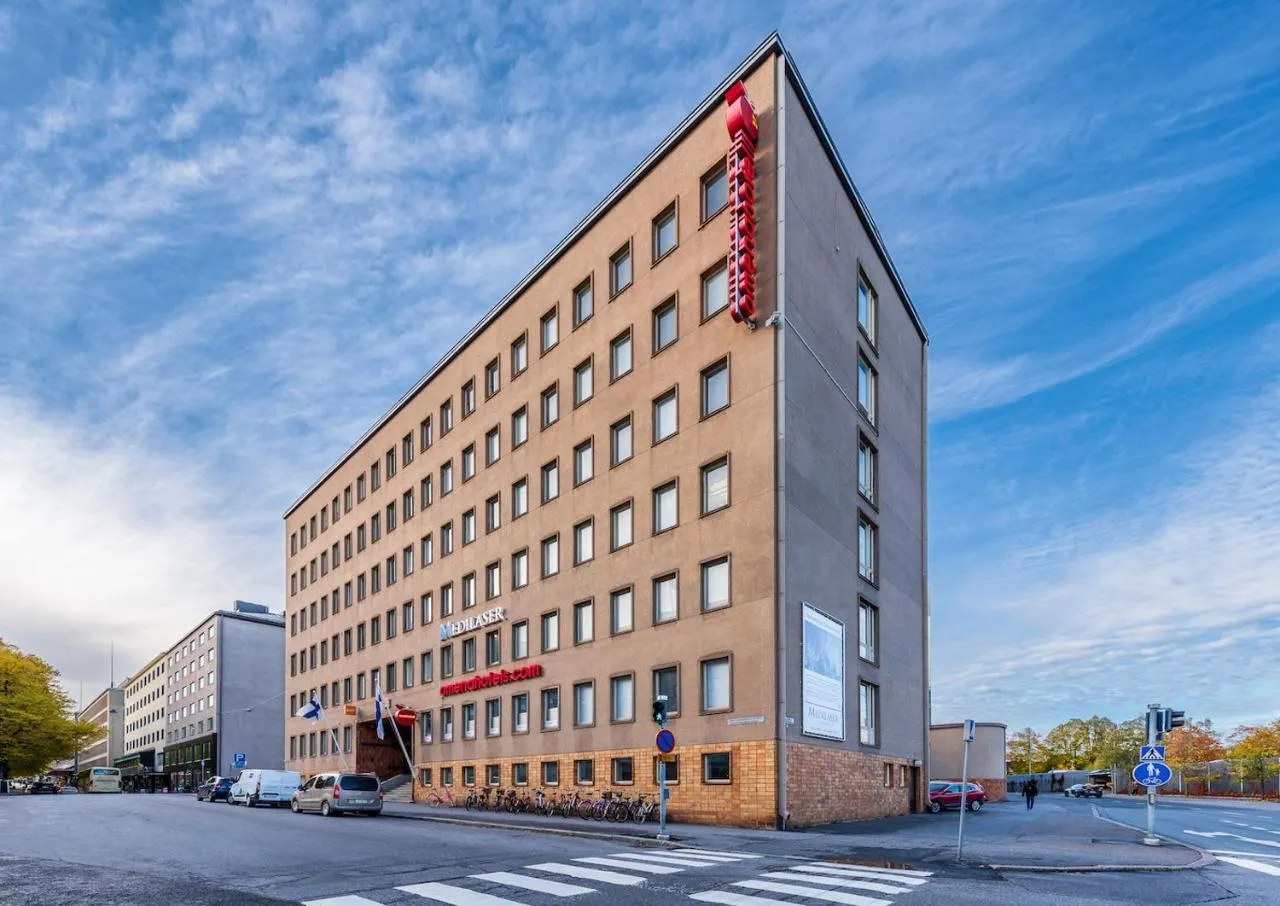
How Omena Hotels strengthened profitability and improved RevPAR through automation, forecasting and real-time pricing intelligence with BEONx.

Deloitte has announced the results of the latest edition of the “Deloitte Technology Fast 50 Programme,” the prestigious ranking that identifies the 50 most scalable technology com
Growth that is losing momentum The hotel market in Portugal continues to break records year after year, but the data reveals a more nuanced reality, a RevPAR of €72.38, growth of +
Concept Hotel Group boosts revenue performance with BEONx through automation, Smart Range, and data-driven decision-making.

From intuition to intelligence: how Kora Living achieved 20% RevPAR growth and built a smarter, data-driven revenue strategy with BEONx.

Colombia’s hotel industry is evolving fast. Learn how to anticipate demand, use AI to optimize pricing, and compete on value rather than price. A vision of the future of revenue management from BEONx, Lighthouse, and CloudBeds.

On September 15–16, 2025, BEONx participated in HSMAday 2025, held at the Maritim Hotel in Cologne. The event brought together over 500 professionals from the hospitality sector to

BEONx empowered Kali Hoteles team to move from reactive to proactive pricing strategies, detect market shifts early, and implement optimal pricing by room type—improving not just profitability but also internal collaboration and confidence. %

Redefine your pricing strategy with SmartRange by BEONx – the AI-powered model that stabilises rates, minimises volatility and boosts profitability beyond the compset.