The Portuguese hotel market can no longer grow as it used to
Growth that is losing momentum The hotel market in Portugal continues to break records year after year, but the data reveals a more nuanced reality, a RevPAR of €72.38, growth of +


COVID-19 · Market trends
Explore the resilience of the German hospitality industry post-COVID, and discover how AI dynamics pricing strategies can navigate future uncertainties.
As the world struggles with the consequences of the COVID-19 pandemic, industries everywhere are slowly picking themselves up. But in the hospitality scope, Germany is shining bright! Despite all complications, German hotels are now on the road to recovery and normalization. However, who knows what could happen in the short or long-term future? And most importantly, how can the community dynamically adjust prices to navigate through various scenarios effectively?
When COVID-19 first hit, German hotels took a real beating, with occupancy rates dropping like never before. And while they’ve been working hard to bounce back, they’re quite back to their pre-pandemic peak of 54% on high demand months, maintaining around 52% on those periods (Figure 1). With a stabilizing trend in occupancy levels between 2022 and 2023, it seems like Germany’s tourism scene might just be finding its groove again.
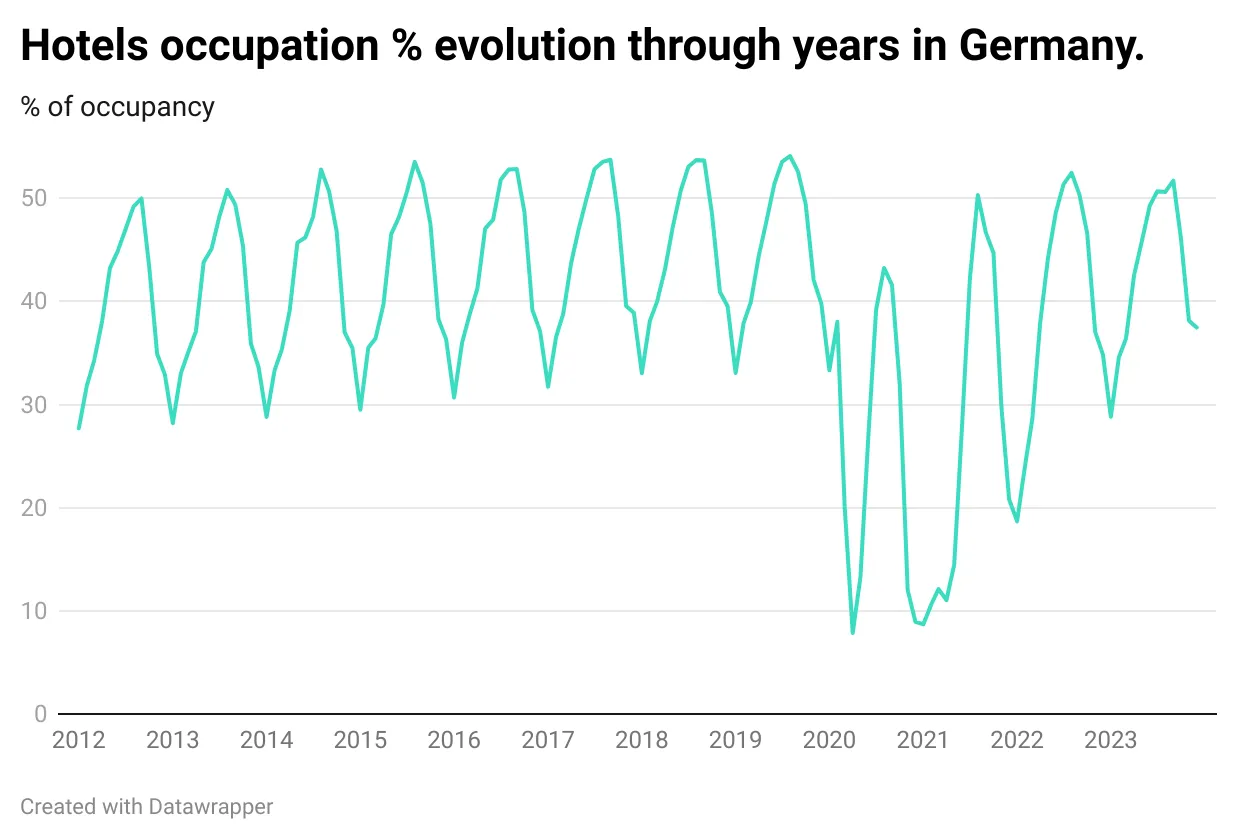
Figure 1. Hotels occupation % evolution through years in Germany.
Nevertheless, it is worth noting that this stabilization at the country level did not have the same behavior among Germany regions. As we can see in Figure 2, the number of arrivals in 2023 with respect to 2019 increased for regions like Saarland (~1%), Schleswig-Holstein (~4%) and decreased for Berlin (~13%), whereas the rest regions had decreases within a range of 1-8%. In fact, regarding the location of all regions, we observed a pattern in which faster recovery was achieved by peripheral regions in comparison to those in the center of the country. Therefore, the occupancy stabilization in the country appeared to be due to a compensation of regions’ occupancies.
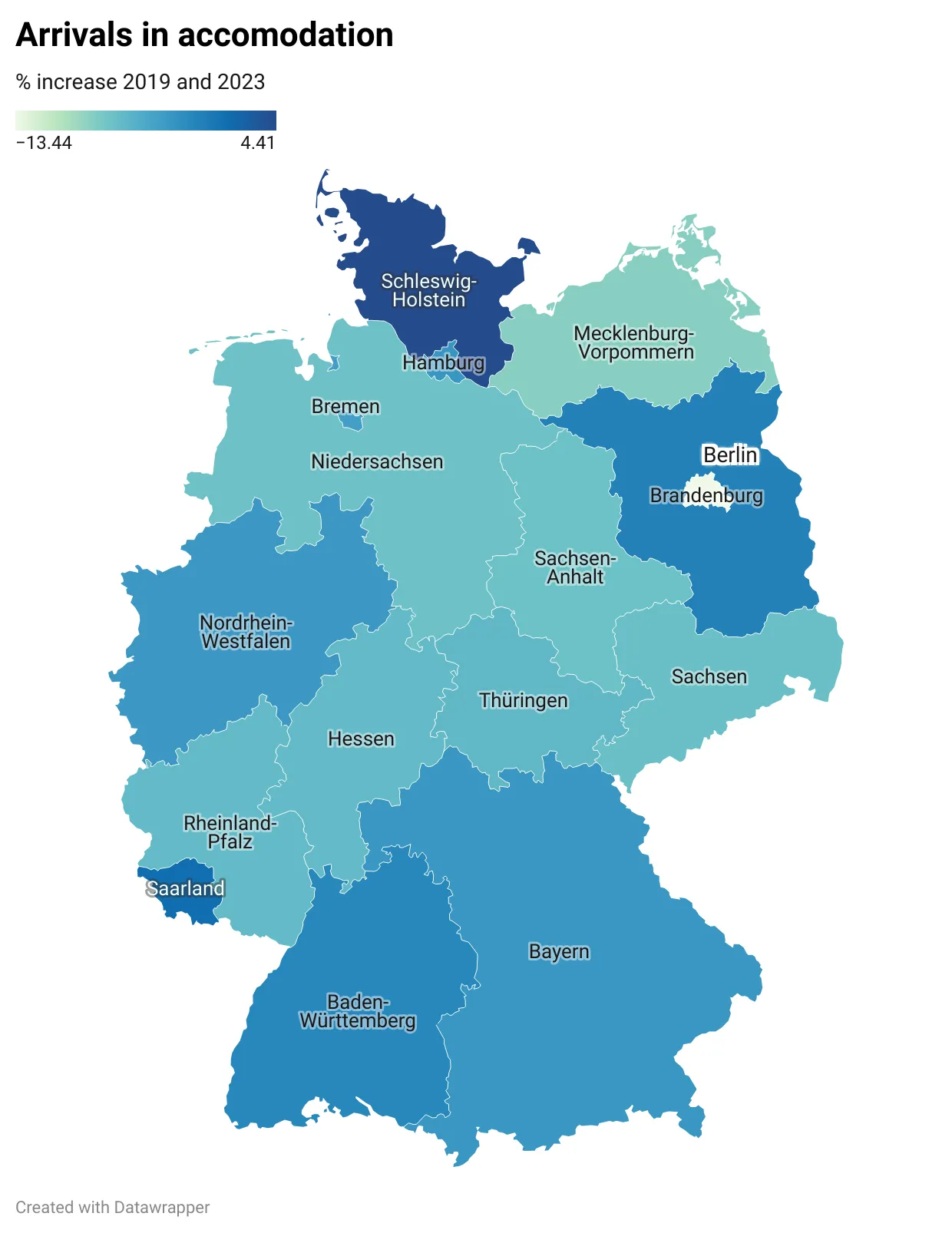
Figure 2. Increment (%) of arrivals to Germany between 2019 and 2023.
Nevertheless, it is worth noting that this stabilization at the country level did not have the same behavior among Germany regions. As we can see in Figure 2, the number of arrivals in 2023 with respect to 2019 increased for regions like Saarland (~1%), Schleswig-Holstein (~4%) and decreased for Berlin (~13%), whereas the rest regions had decreases within a range of 1-8%. In fact, regarding the location of all regions, we observed a pattern in which faster recovery was achieved by peripheral regions in comparison to those in the center of the country. Therefore, the occupancy stabilization in the country appeared to be due to a compensation of regions’ occupancies.
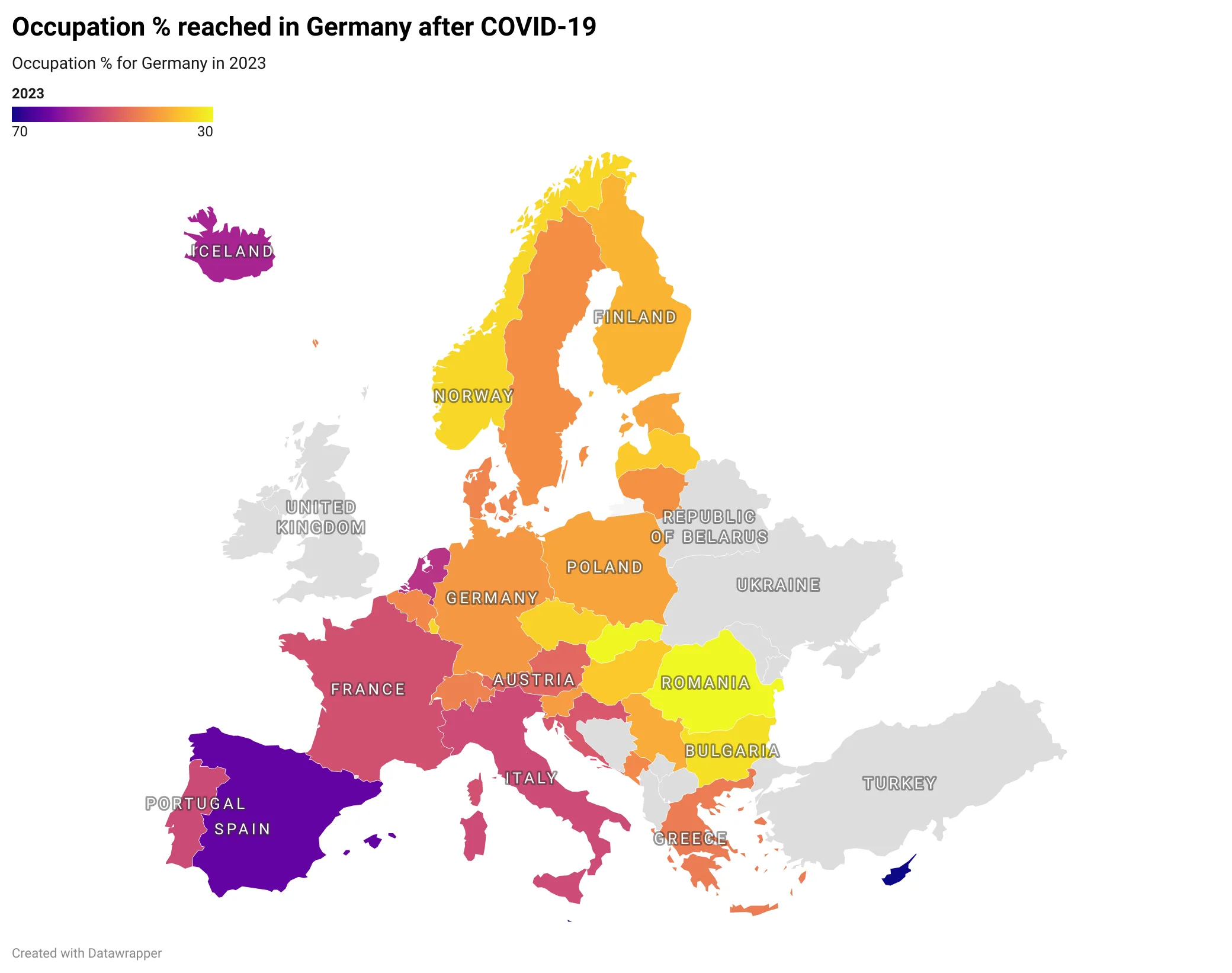
Figure 3.A Occupation percentages in Germany for A) 2019 and B) 2023.
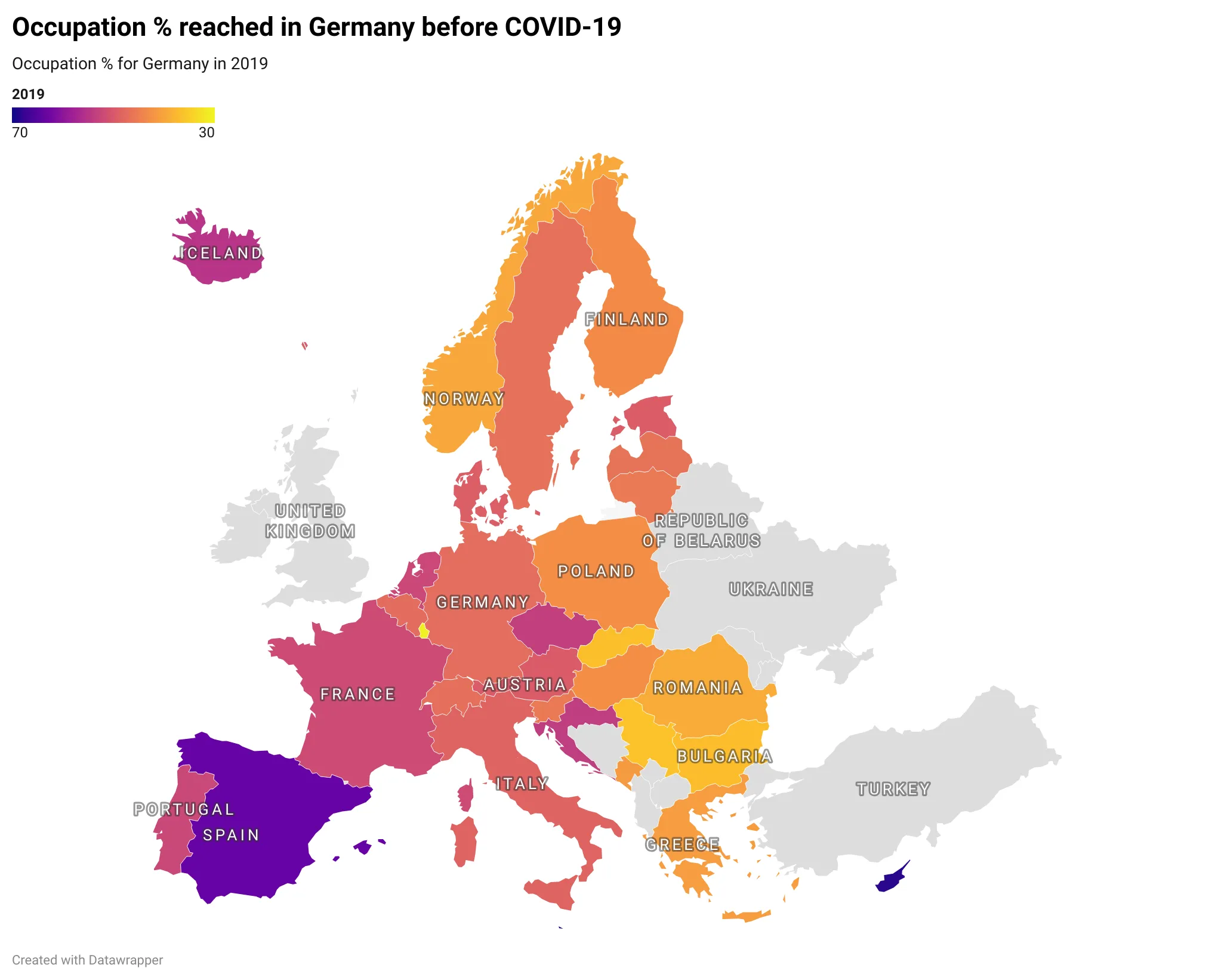
Figure 3.B Occupation percentages in Germany for A) 2019 and B) 2023.
Actually, selecting a couple of countries from the North, South, East and West (center) of Europe, we observed that those belonging to the South were the ones achieving occupation percentages as pre-pandemic values and even surpassing them, Figure 4. On the other hand, we also found the case of central European countries, such as Germany and Poland, which got closer to pre-pandemic values, however they did not seem to keep increasing anymore. Finally, countries from the North or East of Europe, such as Norway and Romania presented a slow recovery progress after COVID-19 pandemic, not reaching pre-pandemic values and even tending to decrease during the last two years.
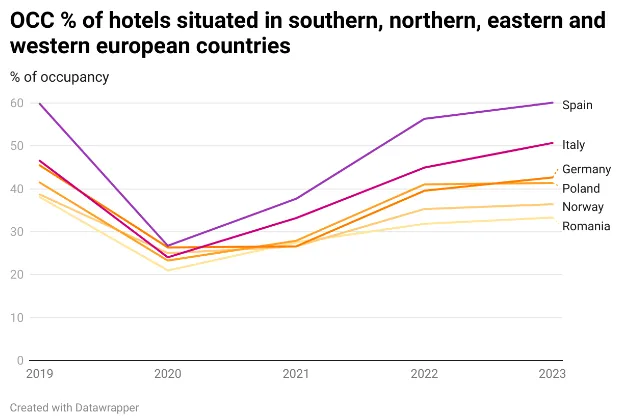
Figure 4. Occupation percentages in representative European countries from 2019 to 2023.
Additionally, as COVID-19 influenced all aspects of the world functioning such as resources, health, economy, social aspects and mobility restrictions, in turn, these also influenced the hospitality industry situation during and after the pandemic period.
In summary, the German hospitality industry has shown resilience in recovering from the impact of COVID-19 and seems to be gradually returning to stability. Geographical location has emerged as a significant factor influencing occupancy levels in the industry’s recovery process. However, the future remains uncertain, prompting the need for dynamic adaptation of hotel prices to various scenarios.
What to expect and how to dynamically adapt hotel prices to a certain future scenario?
Given the complex and dynamic nature of the hospitality industry, forecasting room prices for the future presents challenges, especially due to uncertainty. Various macro factors, such as economic, technological, demographic, political, and socio-cultural trends, influence industry dynamics and trajectory. Strategic planning and decision-making require forecasting these factors and their impact on the industry.
Critical variables like Pick Ups (number of reservations or bookings made by guests for a specific period of time) and Incoming Reservations play a vital role in pricing strategies, necessitating strategic pricing over time and the use of multichannel alternatives to optimize room occupancy. Traditional predictive trends based on historical data may no longer be sufficient in the face of evolving market dynamics, necessitating a paradigm shift towards a comprehensive approach.
Artificial Intelligence (AI) emerges as a crucial tool in the hospitality industry, offering valuable insights and facilitating proactive decision-making. AI tools enable forecast models, revenue optimization strategies, dynamic pricing optimization, occupancy forecasting, and revenue forecasting, empowering hotels to anticipate market complexities and adapt accordingly.
As the hospitality industry charts its course forward, the integration of AI is paramount. Beyond serving as a mere tool, AI emerges as a strategic ally, empowering hotels to navigate uncertainty, make data-driven decisions, and enhance performance in a dynamic landscape.
Data sources: eurostat, Europe.
Growth that is losing momentum The hotel market in Portugal continues to break records year after year, but the data reveals a more nuanced reality, a RevPAR of €72.38, growth of +
Nordic capitals’ hotel revenues continue growing in 2024, with a more sustainable pace following the exceptional surge post-pandemic in 2023.

Unlock key strategies for hoteliers in Mexico. Learn how to leverage market insights, adapt to digital trends, and boost sustainable growth.
Speak with one of our dedicated hotel experts and get started on your journey to sustainable profitability.
Other Articles

Learn how Lungarno Collection increased ADR by 5-10% and automated pricing strategies using BEONx AI-driven Revenue Management System.
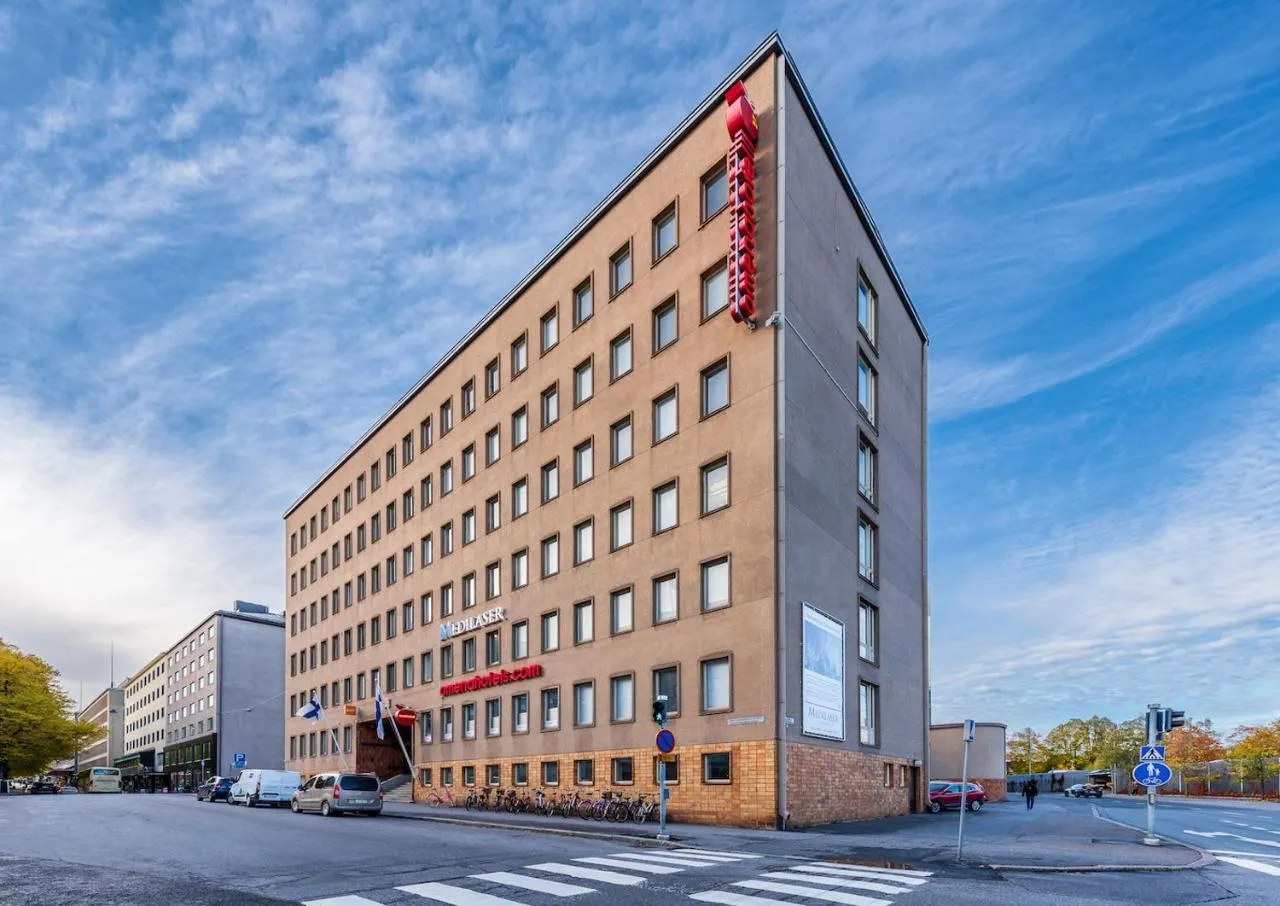
How Omena Hotels strengthened profitability and improved RevPAR through automation, forecasting and real-time pricing intelligence with BEONx.
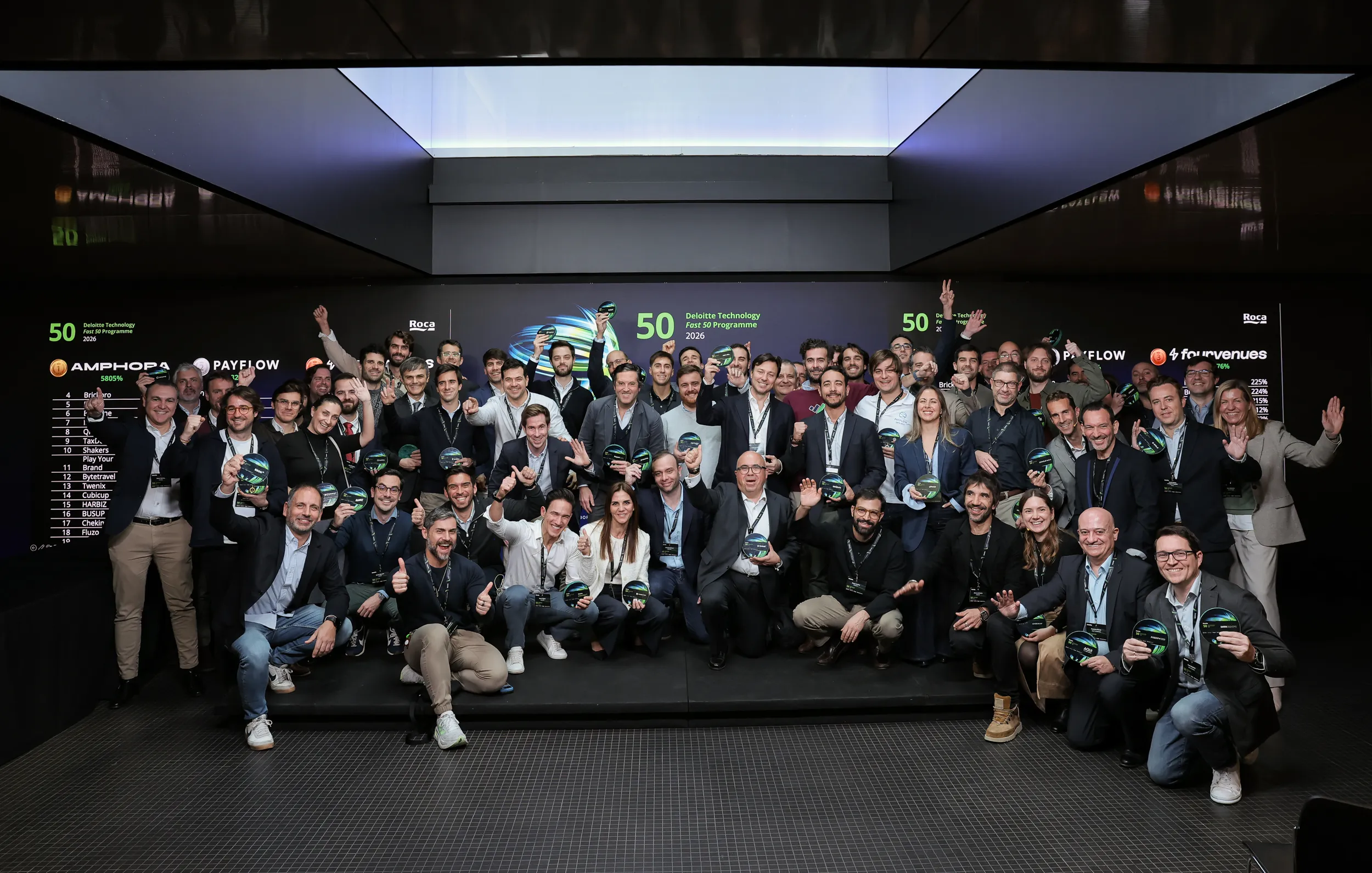
Deloitte has announced the results of the latest edition of the “Deloitte Technology Fast 50 Programme,” the prestigious ranking that identifies the 50 most scalable technology com
Growth that is losing momentum The hotel market in Portugal continues to break records year after year, but the data reveals a more nuanced reality, a RevPAR of €72.38, growth of +
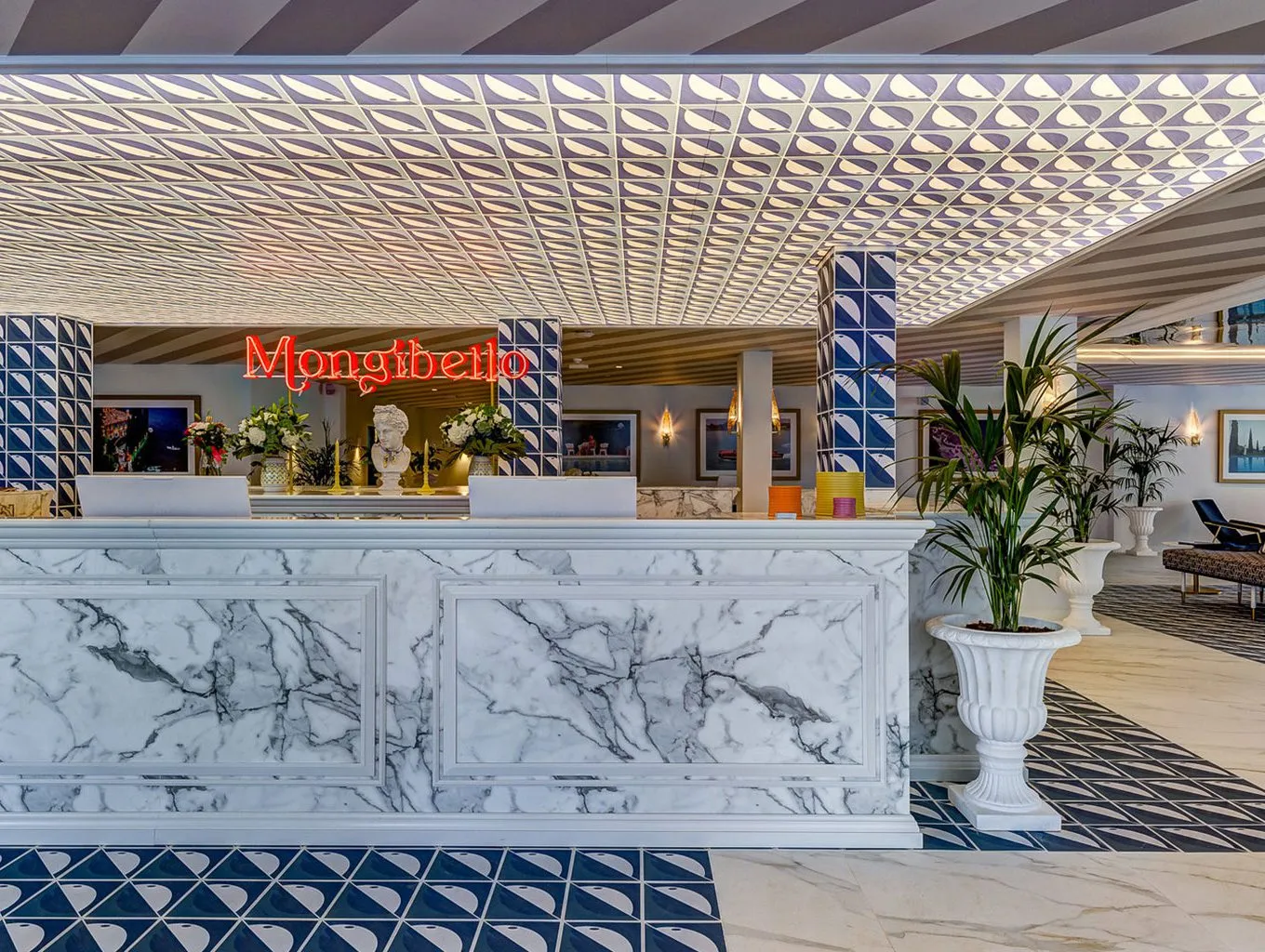
Concept Hotel Group boosts revenue performance with BEONx through automation, Smart Range, and data-driven decision-making.

From intuition to intelligence: how Kora Living achieved 20% RevPAR growth and built a smarter, data-driven revenue strategy with BEONx.

Colombia’s hotel industry is evolving fast. Learn how to anticipate demand, use AI to optimize pricing, and compete on value rather than price. A vision of the future of revenue management from BEONx, Lighthouse, and CloudBeds.
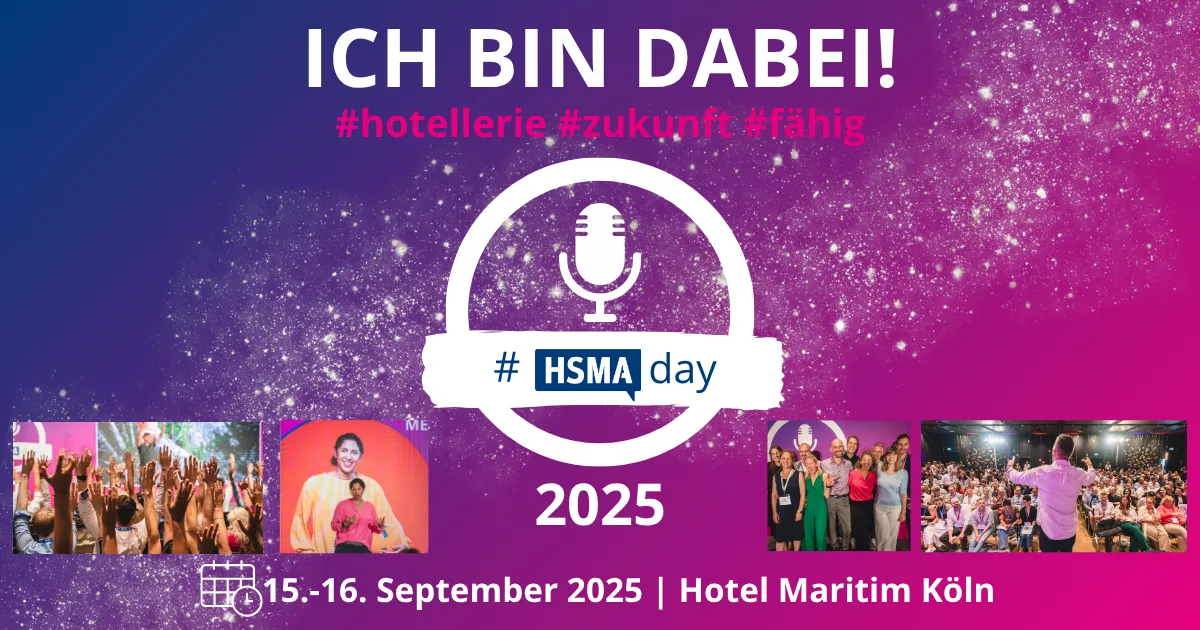
On September 15–16, 2025, BEONx participated in HSMAday 2025, held at the Maritim Hotel in Cologne. The event brought together over 500 professionals from the hospitality sector to

BEONx empowered Kali Hoteles team to move from reactive to proactive pricing strategies, detect market shifts early, and implement optimal pricing by room type—improving not just profitability but also internal collaboration and confidence. %

Redefine your pricing strategy with SmartRange by BEONx – the AI-powered model that stabilises rates, minimises volatility and boosts profitability beyond the compset.